Tamang Heritage Trail: Being in the now of Tamang people.
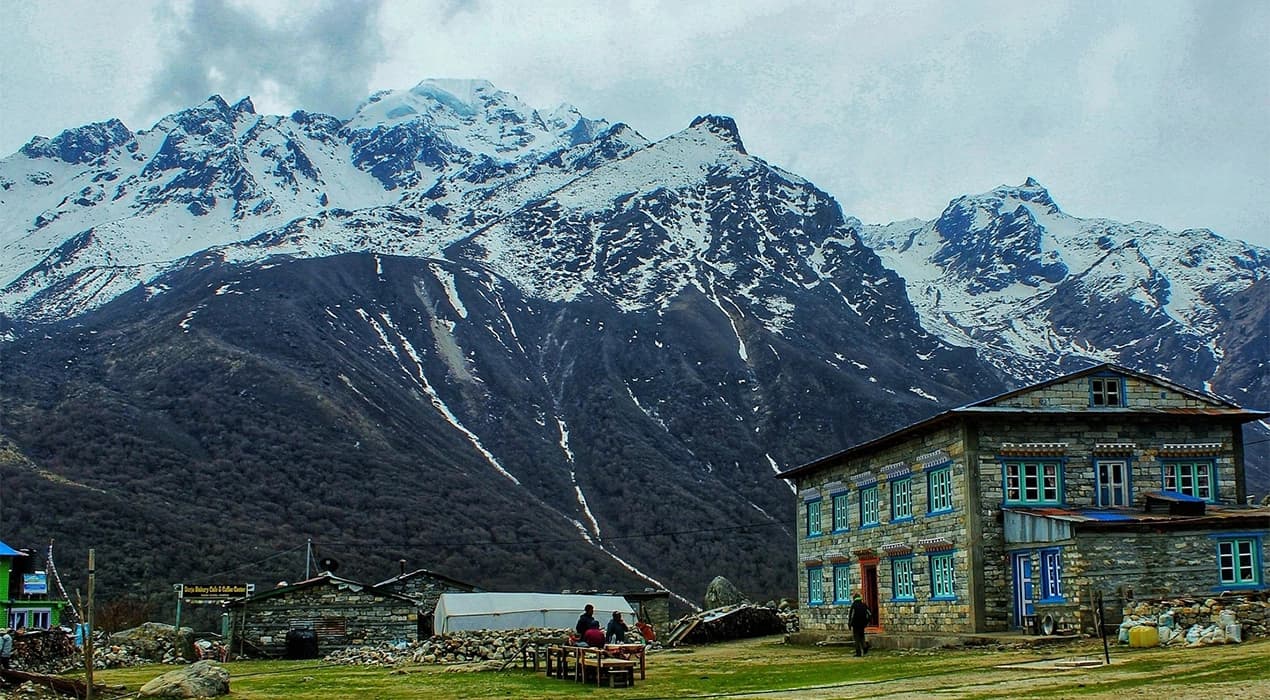
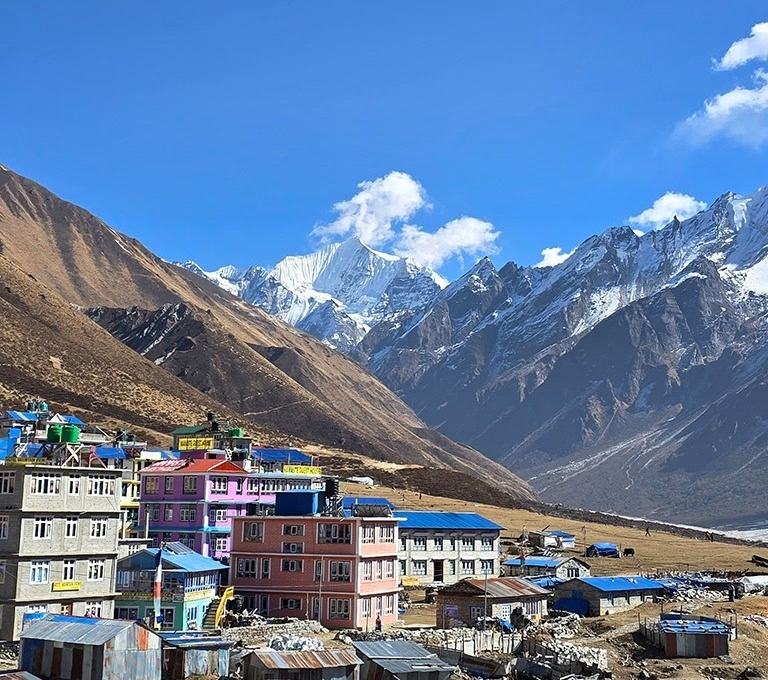
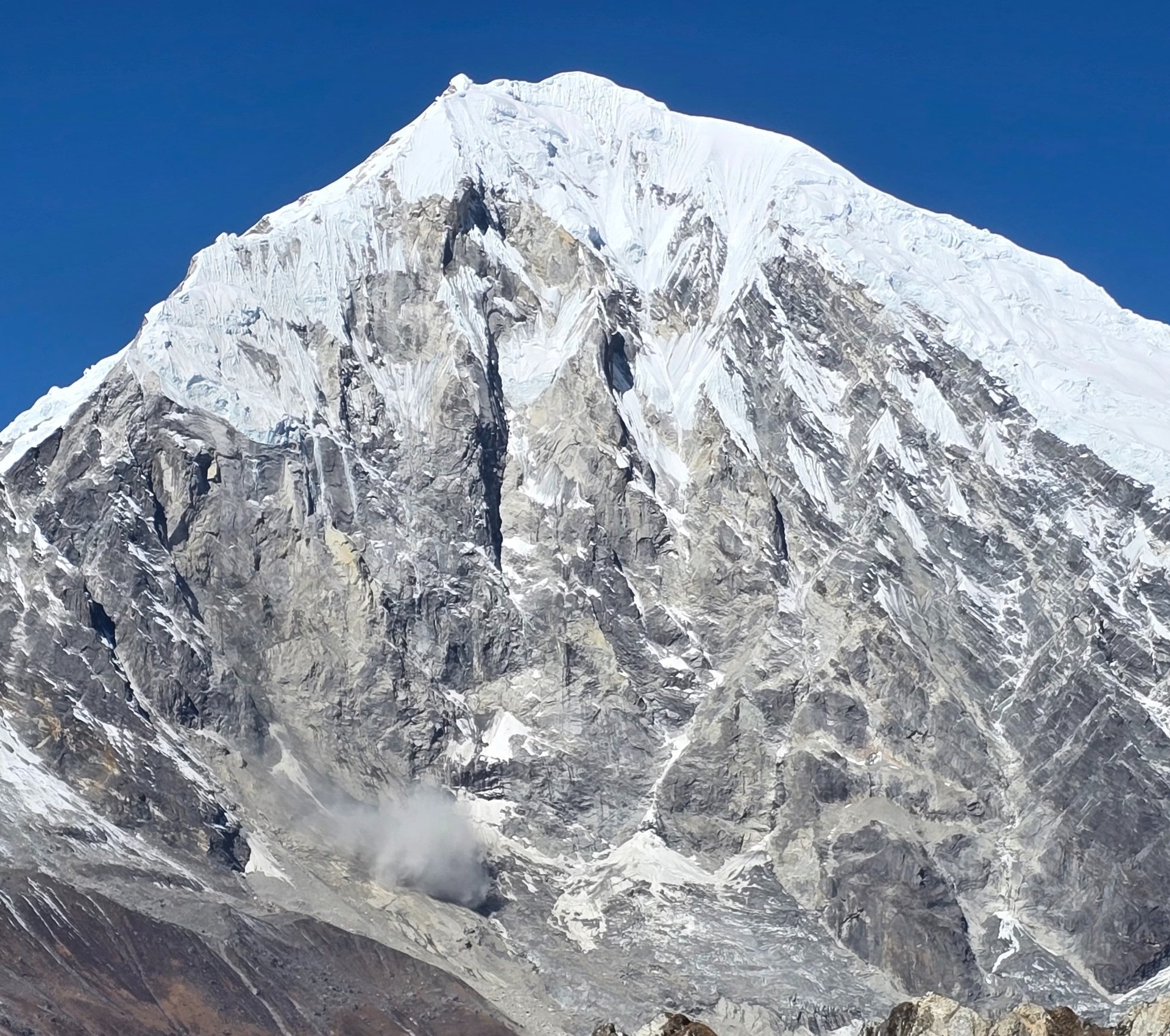
Kyanjin Gompa (3,865m): Then visit this famous monastery, which takes the cake for stunning scenery in the Langtang peaks.
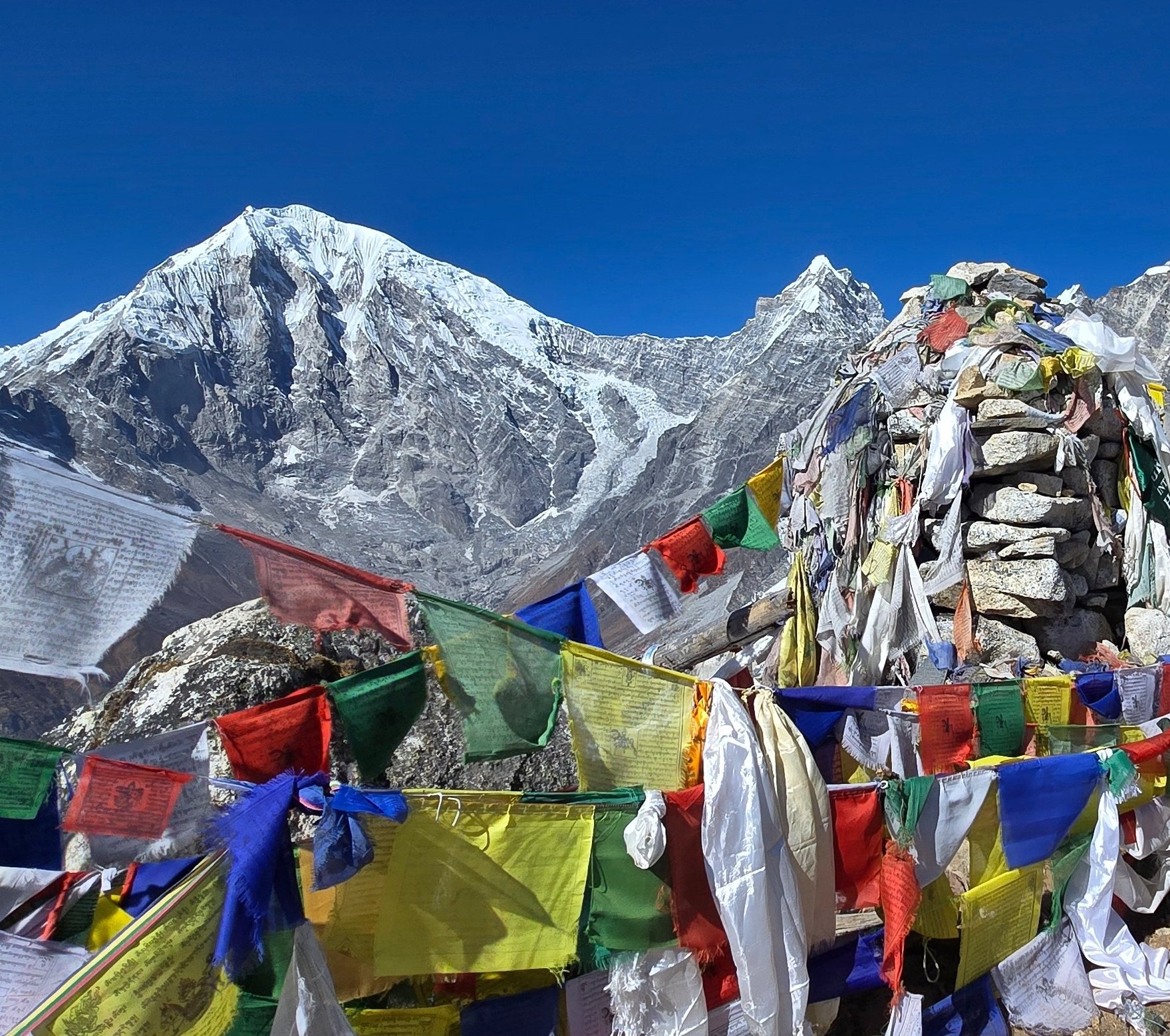
Tserku Ri (4,985m): The way to this beautiful overlook grants one of the finest views of the Himalaya.
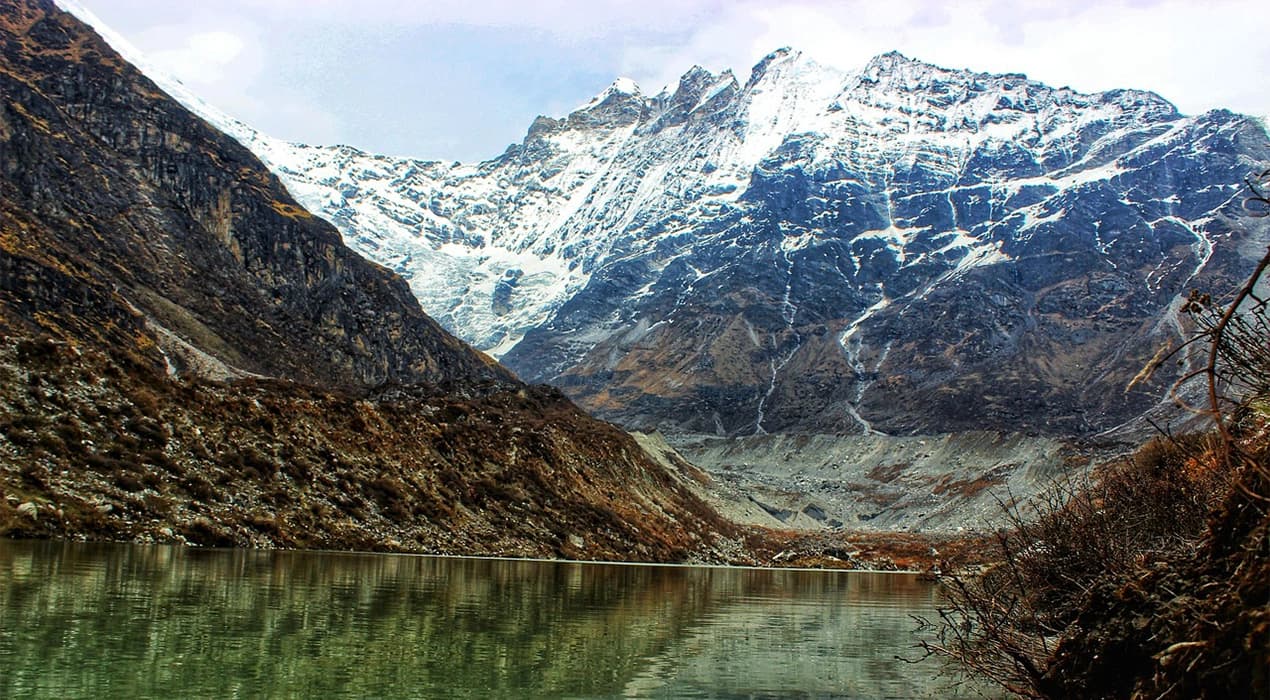
Langtang Valley: Winks at the sprawl of quiet landscapes while glaciers melt much of the first.
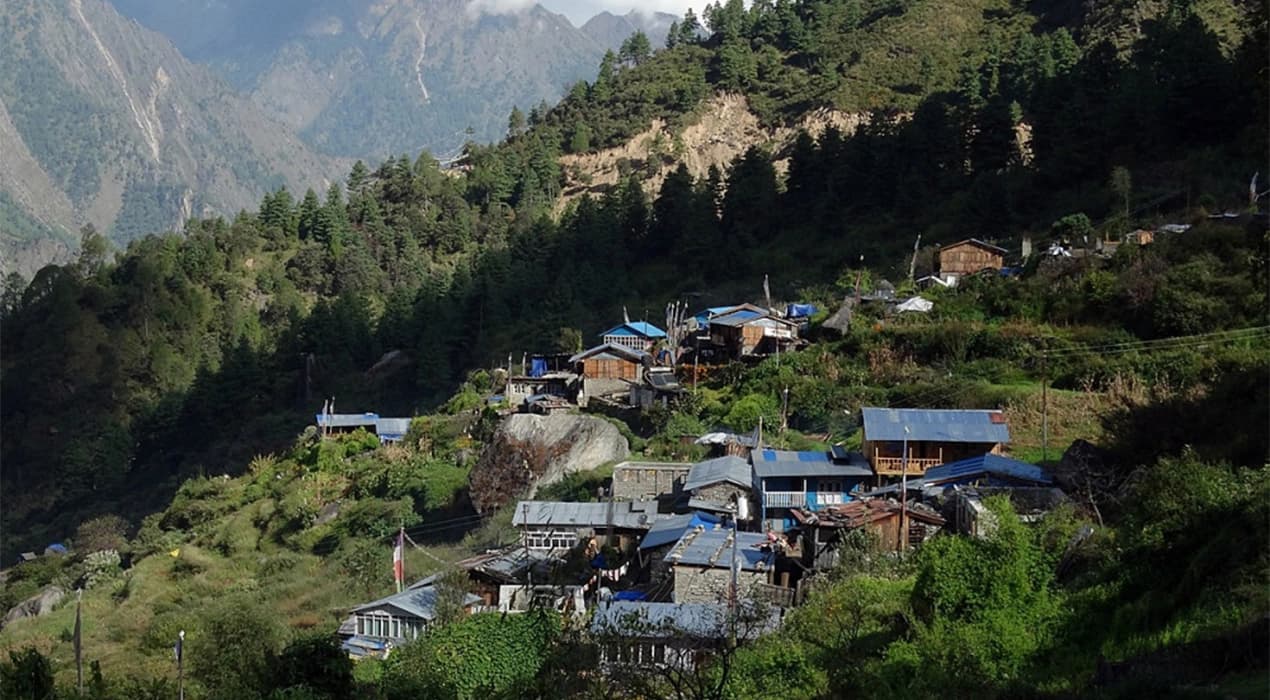
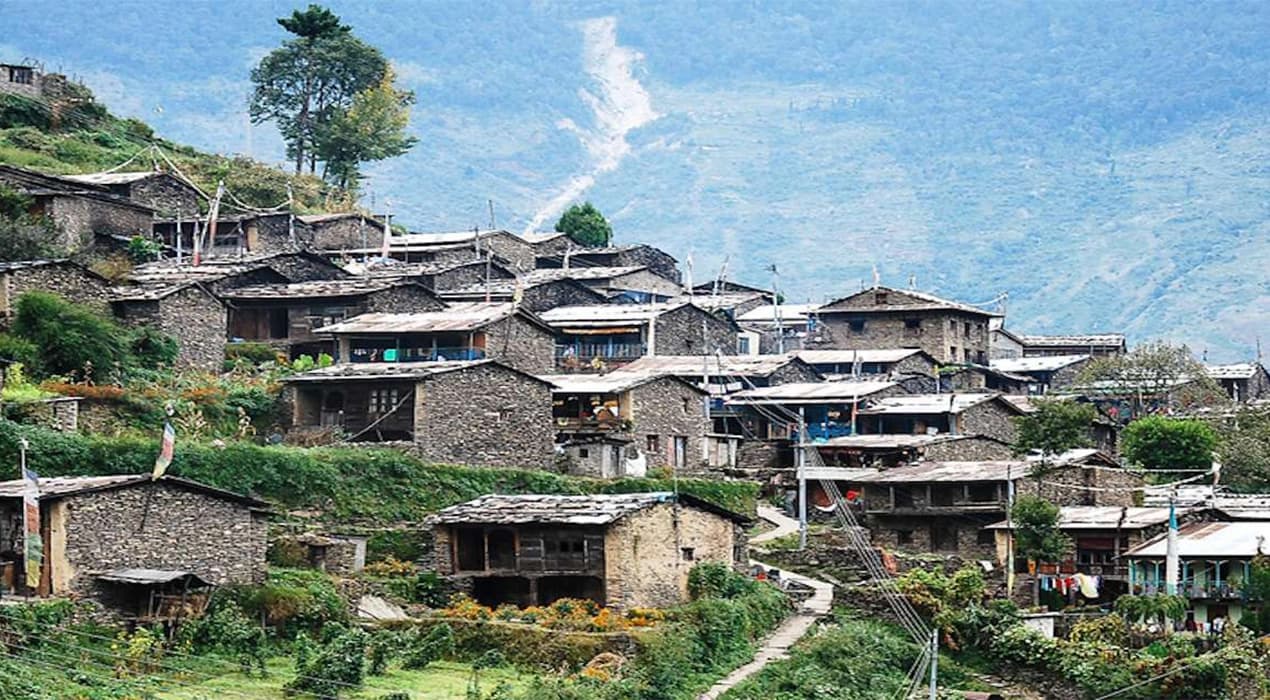
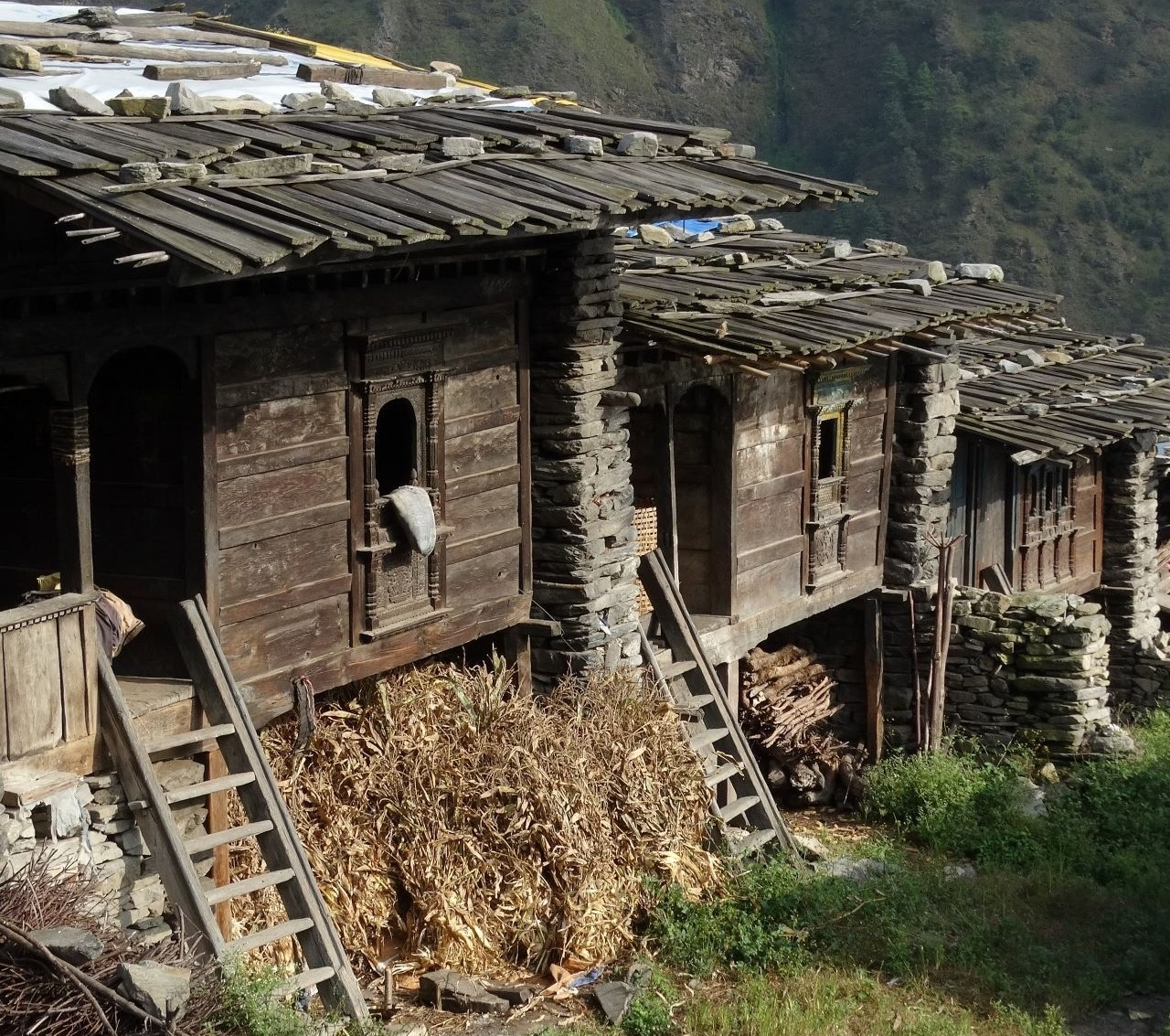
Local Villages: Enjoy everything in real Tamang hospitality and culture.
Langtang Valley Trek via Tamang Heritage Trail
- 13 days
- |
- Intermediate


- DestinationTrekking in Langtang
- Group TypeBest Price
- Activities Guided Trekking
- Accommodation Tea House
- Max. Elevation4773m.
- Group SizeMin. 1 Pax
- VehicleLocal Bus
- MealsBLD
Langtang Valley Trek via Tamang Heritage Trail Highlights
13 days Langtang Valley Trek via Tamang Heritage Trail Overview
Do you know that Nepal is the home of more than 100 ethnic groups with their own traditions and culture? Yes, the country is blessed by the Himalayan wonders, natural splendors, and cultural grandeur. Therefore, the country is an ideal place for wonderful holiday activities. In addition, all these holiday activities are centered on trekking and tours which offer best moments of mountains, enticing centuries old monasteries, diverse landscapes, and authentic villages of locals. If you can knit this kind of diverse holiday events then you can surely get back all the investment made for the trip. The travel planners of the Nepal Trekking Rangers have knitted the best itinerary with the off the beaten experiences of the Langtang Valley Trek via Tamang Heritage Trail.
Book the trekking package in the Langtang region of Nepal like never before. Most of the trekkers book the commercial Langtang Valley Trek package. However, there are many trekking routes in the region that endow breathtaking trekking memories full of diverse experiences from vegetation to culture. Our trekking package of the Langtang Valley Trek via Tamang Heritage Trail is expertly designed by our travel planners. It encompasses activities of the Langtang Valley Trek and also includes the activities around the authentic Tamang Villages of Nepal in the Langtang Region.
Introduction of Langtang Valley Trek
The most popular and commercial trekking route of the Langtang region of Nepal is the Langtang Valley Trek route. The trekking trail traverses through various authentic Lama Villages and diverse landscapes with the village of Kyanjin Gompa as the last village. Moreover, the journey is characterized by the experiences of ancient traditional Tibetan culture and serene Langtang Lirung Himalayan landscape. Furthermore, the journey is alongside the Everest Base Camp Trek, Annapurna Base Camp Trek, Annapurna Circuit Trek, and Manaslu Circuit Trek in terms of popularity.
Tamang Heritage Trail Trek Introduction
Explore authentic villages of Tamang People while on the journey of the Langtang Valley Trek via Tamang Heritage Trail. Briddim, Thuman, Nagathali, Tatopani, and Gatlang are the villages of Tamang People living in the Langtang region of Nepal. Please note that you can book the separate Tamang Heritage Trail Trek package only as well. It features the exploration of the villages where you get to immerse into the culture and traditions of the Tamang People. However, the journey of the Langtang Valley Trek via Tamang Heritage Trail offers quintessential trekking moments where you enjoy the surprises and attractions of two iconic trekking routes of the Langtang region of Nepal.
Itinerary & Cost of the Langtang Valley Trek via Tamang Heritage Trail
We have kept 3 nights and 4 days in the typical Tamang Villages of the region in this trekking package. Our itinerary of the Langtang Valley Trek with Tamang Heritage Trail encompasses three iconic Tamang Villages. They are Briddim, Nagthali Danda, and Gatlang villages on the outskirts of the Langtang Valley Trek route. An entire journey is possible in about 12 to 15 days at around 1175 $ per person. The cost of the trip depends upon the number of days and amenities needed by the trekker.
Travel planners of the Nepal Trekking Rangers are highly experienced. They know the expectations of trekkers and the tips to avoid any kinds of hassles during the trek. Therefore, our itinerary is probably the most interesting and safe for travelers. In addition, our trekking price may seem higher than most of the trekking agencies in Nepal but our impeccable hospitality and quality services during trekking trips in Nepal provide value worth of every penny spent for the trip.
Best Time for Tamang Heritage Trail Trek with Langtang Valley
Spring (March – May) and autumn (September – November) are the best times to do trekking in the Langtang Valley Trek with Tamang Heritage Trail Trek route. Some adventurers do the trek during the winter season as well with the help of the experienced trekking guide. Trekking is possible throughout the year as it is the guaranteed trekking destination but the monsoon season (June – August) is not viable because of risk of landslide, floods, and poor visibility. Book the journey of the Tamang Heritage Trail Trek with Langtang Valley in Nepal during the months of the spring and autumn season in Nepal.
Who are Tamang People?
The word Tamang is derived from Tibetan language “Ta” and “Mang”. Ta means horse and Mang means warriors. Therefore, these people are fierce horse warriors. They are from the Tibetan – Burman community. These people speak their own language, traditions, and culture. Majority of these people are Buddhists and few are Hindus and Christians. Even if they follow Buddhism, they eagerly participate in all the Hindu festivals. Sonam Lhosar is the biggest festival of these people and it is then Tamang / Lama New Year. The Langtang region of Nepal is an ideal place to study about the daily lifestyle of these people.
Side trips from Langtang Trekking route?
The nerve center of the Langtang region of Nepal is the Langtang Valley Trek route. Therefore, there are countless side trekking routes possible from the Langtang Trekking Route. The most popular side trips possible from the trekking route are the Langtang Valley Trek via Tamang Heritage Trail, Langtang Valley Gosaikunda Lake Trek, Ganjala Pass Trek, Thulo Syabru Gosaikunda Trek, etc.
Why the Nepal Trekking Rangers is an ideal trekking agency for Langtang Trek?
Tamang people are the inhabitants of the Langtang region of Nepal. Interestingly, the owners and majority of the people involved in the Nepal Trekking Rangers is Tamang People. Moreover, the agency is probably the only trekking agency that offers quality services and impeccable hospitality on par with the travel investment of its clients. The trekking itinerary prepared by the team of the travel planners of the agency is flexible. Trekkers can choose to customize the trek according to their preferences.
Book the Langtang Valley Trek via Tamang Heritage Trail trekking package with us. Immerse into the culture of the Tamang / Lama People and explore the abode of the Langtang Lirung Mountain including the mythical – mystical valleys up in the mountains.
Langtang Valley Trek via Tamang Heritage Trail Itinerary
Kathmandu is where you will meet the reps of Nepal Trekking Rangers and directly transfer to your hotel. The whole day is free for rest and enjoying the capital atmosphere or getting things lined up for your trekking journey.
If you like, you may heat a little culture before the trek; Kathmandu is nothing but a museum of historic temples, markets, and busy streets.
If the provided schedule isn't suitable for you, we are able to create personalized travel arrangements according to your preferences and requirements.
Choose Your Package
(Guide. Porter. Permits. Transportation. Accommodation)
Cost Includes
TRANSPORTATION
International/Domestic Airport pick up and drop off by private vehicles as per group size
Tourist Bus or Local Jeep (KTM-Syabrubensi-KTM) – Both Ways
Accommodation
2 Nights Accommodation at Tourist Standard Hotel or Boutique in KTM
10 Nights Accommodation along the trek (Guest Houses or Tea Houses and Attached bathroom in Possible Places)
Food/Drink/Snacks
Not Included
Permits and Expenses
Langtang National Park Entry Permit
TIMS CARD (If It Requires)
All Local Government Taxes and Official expenses
Guide and Porter
Government Register Licensed holder Guide with fluently speaking English Language
An Assistant guide each 7 Trekkers
A porter for each 2 clients (20 KGs limit weights for a Porter)
Covers their (guide and porter) wages, meals, hot drinks, accommodation, transportation, insurance and necessary trekking gears)
Souvenir or Complimentary
Nepal Trekking Rangers Company’s T-shirt/Cap/Buff
Trekking Route Pocket Map
Benefits
NTR’s Duffel Bag each client (return basis)
Sleeping Bag and Dawn Jacket (return basis) If you require
Cost Excludes
International Flights Fare
Nepal Entry Fees (15D-$30, 30D-$50 and 90D-$125)
Accommodation
If you stay more than 2 nights in Kathmandu in case of early return in any reason or late departure
Food and Drink
All Food and Drink (Breakfast Included)
Tips
Guides and Porters as gratitude
Travel Insurance and Expenses
Travel Insurance covers emergency High Altitude Rescue/Evacuation (upto 6000m)
Personal Transportation of ground and Air both
All soft and hard drinks, All hot drinks in pot size or above 4 cups a day, Snacks, extra Chocolate bar
Sanitary material such as wet wipe tissues/toilet paper
Hot Shower/hot or boiled water, Wifi, Battery Charge
Hot bag during the nights
Shopping/Souvenir for family and friends
All the extra things/expenses which has not included in the list
Dates & Prices
Your private Langtang Valley Trek via Tamang Heritage Trail begins from and ends in , covering 13 days of adventure.
We organize exclusive trip for two or more, ensuring a personal and flexible experience.
Private Group Deals
| 1 - 99 Person | US$ 780 |
| 1 - 99 Person | US$ 585 |
| 1 - 99 Person | US$ 560 |
| 1 - 99 Person | US$ 530 |
Know Before You Go
Why Choose Langtang Valley Trek?
Langtang Valley trek is a trip like no other for trekkers as it gives a wonderful blend of nature and culture on a lesser-visited alternative to some of the more popular trekking routes of Nepal. Here are some other things that still make the Langtang Valley Trek special:
Soforamentes sceneriae:
That is why one knows Langtang Valley as the Valley of Glaciers. The trek brings majestic sights of snow-gilded towering peaks: Langtang Lirung, Ganesh Himal, and Dorje Lakpa, wild alpine meadows, forests, and traditional villages with completely changing landscape-visual delights which remain most unexcelled in Nepal.
Touchstone of Culture:
The reality of Culture was all about the character of Langtang Valley, more than any other trekking style in Nepal, especially the penetrative heaviness with the Tamang communities. Walking through the traditional Tamang villages reveals the vast warmth and hospitality of the local Tamangs, along with certain insights into their customs and daily life in the ancient Buddhist monasteries, such as Kyanjin Gompa. This connection, between the lifeway, culture, and architecture of the Tamang people, with their land and mountains, provides a great cultural experience to the trekkers.
Less Crowded, More Peace:
Compared to highly commercialized treks like Annapurna Circuit or Everest Base Camp, the Langtang Valley trek would continue to soak in all beauty but with only one or two groups moving about the area. Such captivating beauty of the Himalayan landscape is better shared by few. If you are of the secretive sort, then Langtang Trek offers you that cozy distance to connect away with nature.
Diverse Terrain:
The Langtang Valley Trek offers varied terrains that include both lush green forests of rhododendron and bamboo and high-altitude alpine landscapes. You will go through the dense jungles of the upper Langtang Valley and cross rivers to get to alpine ridges while taking in all the breathtaking views that can be found around you. Such varied will keep the trek interesting; no one would like to walk down a monotonous pathway.
Easy Approach and Challenging:
While the Langtang Valley can be classified as a moderate trek, it would still be rewarding for people who want to try their endurance. The trail has high spots of 4,985 meters at Tserku Ri, and the gradual incline to that altitude enables most of their trekkers with some fitness level to accomplish it. It stands as a worthy alternative for people aiming for adventure, one not as grueling as Nepal's high-altitude treks, yet with more than just that for an experience.
The adventure of beautiful wildlife and flora:
Langtang National Park houses exquisite flora and fauna. Rare wild animals are seen in the valley while trekking-red pandas, Himalayan tahrs, and musk deer are some. Apart from animals, plants ranging from the beautiful rhododendron to oak and bamboo are also found. Birdwatchers are in for a treat since so many species of birds are present in the area.
Adventure Meets Spirituality:
The Langtang Valley Trek is an adventure in its own right, but it also carries tranquility: the spiritual itinerary. The Buddhist monasteries and sacred places right next to the Kyanjin Gompa and Tserku Ri will enlighten the trekker with naturally stunning surroundings. Here, the combination of adventure with spiritual satisfaction is what makes this trek all the more rewarding.
Safety and Well Developed Infrastructure:
Langtang Valley possesses a very well-developed trekking infrastructure which protects the comfort of the trek. Places of accommodation and food are available throughout the trek route with a well-marked trekking path. Besides this, the natives are friendly; that place is kept fairly safe and clean.
Near to Kathmandu:
One of the greatest lures in favor of Langtang Valley Trek is that it is near Kathmandu. It is perhaps one of the shorter treks, which grants a true Himalayan trekking experience reachable within a six-hour drive from the capital. The trek is therefore the best alternative for people having the very briefest of time in hand but wishing to savor the wonders of the Himalayas without spending a lot of time taking a tour there as with other trekking destinations.
Perfect for All Experience Levels:
Langtang Valley Trek welcomes all kinds of experience, from advanced to complete beginners. It is a physically demanding trek, yet it does not have the extreme trials of high-altitude treks so anyone who has a bit of trekking experience and a healthy physical condition can go for it.
Best Time to Trek
The Langtang Valley Trek is a wonder of nature where trekking can be done during any time of the year, but certain seasons grant better opportunities for the trek than others. The following are the best seasons and the reasons behind their suitability for trekking:
Spring (March-May):
Springtime is the perfect trekking season with good sunshine, comfortable temperatures, and blooming rhododendron trees within trekking guidelines. It opens up such very nice views of the major peaks and all these qualities make springtime the optimum season for visiting Langtang Valley.
Autumn (September-November):
Autumn provides the most stable weather and the best visibility for mountain excursions. The piercing coolness, the view of changing foliage, and moderate temperatures add to the whole trekking experience.
Winter (December-February):
Winter means that Langtang Valley will be downright cold, with snow covering trails over higher elevations; thus, a challenge. The serene alpine conditions are one of the most stunning and best suited for experienced trekkers willing to confront extreme temperatures and extreme environments.
Summer/Monsoon (June-August):
When heavy rains during the monsoon make its trails slippery, the risk of landslides is great. The limited visibility along the muddy paths will complicate treks, making the monsoon an overall less favorable option for a trip to Langtang Valley.
Physical Fitness for the Langtang Valley Trek
Since Langtang Valley Trek is considered moderate, it does expect a good level of physical fitness to cope with the duration and descending of this journey. The trek is several hours of walking each day over different types of terrain-involving uphill sections and rough paths-and therefore exertional.
Training should take place weeks before an event. This should be ensured with activities combining drilling and conditioning like a bicycle, running, or brisk walking. It is equally important to build the legs, through hiking, stair climbing, and squats, invaluable for all of that - to be useful in uphill walking repeated time and again throughout the trek. Hiking or backpacking with a load helps you mentally shrink carry all of your items and be able to do the endurance activity again while carrying the weight itself.
Altitude Acclimatization
There is a high chance you will need acclimatization of altitude for the prevention of altitude sickness as you will trek to an altitude of 4,985 m at Tserku Ri. Though Langtang Valley may not be termed a high-altitude trek per se like Everest or Annapurna, the progressively increasing altitude can still cause altitude sickness symptoms with fast ascents.
Concerning hiking, it is extremely important to have one or two rest days at some predetermined stopping points. This would include Langtang Village or Kyanjin Gompa. With these stops, the body begins to acclimatize to thinner air. Drinking ample and steady amounts of fluids also increases the chances for acclimatization to be working at your body's advantage. If you do start feeling a bit under the weather with a bit of a headache or feeling lightheaded, that might be a symptom of altitude sickness, and you need to get yourself down immediately. Adequate rest, a slow, lazy demand, and well-hydrated increase the body's ability to reach this peak mountain environment gradually.
Permits and Documents in the Langtang Valley Trekking
The two permits required for trekking in the Langtang Valley ensure that trekkers are doing so legally under Nepalese law:
TIMS (Trekkers' Information Management System) Card
The TIMS card is a basic permit used by all trekkers in Nepal, as it allows authorities to trace the movement of trekkers in the name of their safety and security. The card is required to enter any trekking route, such as the Langtang Valley. The information from the card is cross-checked with trekking records to ensure trekkers have not gone astray in terms of their trekking procedures.
Costs: The price to acquire a TIMS card is generally not expensive. It is approximately NPR 1,000 (USD 10-12) for individual trekkers and NPR 500 (USD 5-6) for group trekkers.
Where to Obtain: You can collect TIMS cards in Kathmandu from either the Tourism Board or a licensed trekking agency.
Langtang National Park Permit
For entering the Langtang National Park zone which means the Langtang Valley, one needs to possess a Langtang National Park Permit. Since it is a protected area, the permit is mostly concerning the ecological-inhabitant-natural beauty of that area. This permit is also important in making rules for a sustainable trek within that region.
Cost: The cost of the Langtang National Park Permit is about NPR 3,000-4,000 (USD 25-35).
The permit is granted from the National Park Office in Kathmandu or right in Syabrubensi, the starting point of the trek.
How to Get the Permits
The TIMS card and Langtang National Park Permit can be arranged through any licensed trekking agency. Almost all the agencies will package the permits with transportation, accommodation, and guiding services. If you would be trekking independently, you may also apply for these permits yourself in and around Kathmandu or at the entry points, but generally, going through a local agency will make your life easier.
Accommodation During the Trek
You will be staying in tea houses which are simple but comfortable. They are basic lodges along the trekking route. A teahouse has enough sleeping space, serves warm food, and provides a bed for the night. Others would say it's coziness and is mostly run by local families so it gives trekkers a taste of local hospitality.
Facilities in tea houses:
Rooms: Basic twin beds (you sen bring along your sleeping bag for warmer conditions).
Bathrooms: maybe shared toilets and cold showers sometimes (depending on the altitude).
Meals: You expect to find here local Nepalese foods like dal Bhat (lentil soup with rice), momos (dumplings), and noodle soups, with some very simple American foods such as pancakes, pasta, or eggs.
Food and Water On the Langtang Valley Trek
The Valley Trek of Langtang is quite simple but heavy, basically a few common Nepali and Tibetan foods, all with the help of a few Western dishes. It is close to being a staple, however, that almost all are said to comprise dal Bhat (lentil soup with rice), and it becomes expensive because it holds energy for long hours trekking: especially after a fast day. Other foods include momo (dumplings), thukpa (a noodle soup), and tsampa (roasted barley flour), found all over the place, but particularly in the Tamang and Tibetan-influenced villages. These tea houses regularly do the western variety of such wholesale offerings-like pancakes, eggs, pasta, or toast-but reduce as the climb continues up the hills. But the higher you go, the lesser the food said to be available, but here are meals one heeds energy constantly with.
With All that, this water drinks as much as you can be able to consume at those higher altitudes this makes up for what will carry within you. Refill the water bottles at the various tea houses along the trekking path, but it is always advisable that they get boiled or purified from any chance of waterborne disease. Many trekkers have a government issue using water purification tablets, and filters, or using boiled water from tea houses. So, to cut the pollution created through plastic and to ensure that trekkers are getting potable water at all times during the trek, the reuse of portable drinking with a reusable water bottle or a hydration system is recommended.
Health and Safety on the Langtang Valley Trek
Charming in natural beauty, Langtang Valley Trek, like other high-altitude treks, can be a trekker's paradise but would come with altitude-related problems. Altitude sickness outbreaks due to rapid ascension to a higher altitude can be prevented mainly through acclimatization- which is very important. The following four pointers will help you stay healthy and safe along this journey:
Acclimatization Gradual: As one rises, he also has to allow the body to slowly acclimate by adding an extra day in places like Langtang Village or Kyanjin Gompa for your body to adjust to the rising altitude. This is extremely important, and it will reduce the possibility of altitude sickness while giving a great trekking experience.
Hydrate: It is the recommended advice for treks at higher altitudes. Make sure to have enough drinking fluids: this should not result in dehydration worsening the effects of altitude sickness. Water remains among the most preferable choices for assisting the body in quicker acclimatization with the thinner air.
Know About the Symptoms of Altitude Illness: Headaches, dizziness, nausea, and breathlessness are some symptoms of altitude sickness. You must be well conversant with these. If any such symptoms develop, then you must begin the process of descending immediately to a lower altitude and continue to seek medical help if necessary.
Evacuation if Needed: Ensure you have emergency evacuation coverage under your travel insurance when serious health issues from altitude sickness to injury emergencies occur in your travels. The reason is, that it's very hard to evacuate in remote areas like Langtang in case of emergencies.
Local Culture and Etiquette on the Langtang Valley Trek
Trekking routes through Langtang Valley are dotted with villages inhabited by Tamang of Tibetan Buddhism. And, as travelers learn about and experience the culture, they can forge that goodwill that allows them to truly appreciate this wonderful culture. Some cultural highlights to witness:
Dress Modestly: Now, the society in the Langtang Valley takes dress codes quite seriously; modest dress codes must be observed, particularly in the monasteries where they worship. When you visit here, ensure that you are going to come in respectful wear: shoulders and knees covered and anything revealing or casual attire should be avoided.
Greetings: 'Namaste', with a slight bow, pressing hands together in front in a prayer pose, is the most widely accepted form of greeting in Nepal. Rightly, it is true in respect of handshakes but in rural areas of Nepal, the Namaste might hold more preference and appreciation.
Monasteries and Prayer Flags: The trek finally passes by several Buddhist monasteries and prayer flags. Remove shoes before entering any monastery as a sign of respect and never touch or interfere with any sacred objects. The prayer flags that hang throughout the trails are put up to send prayers and blessings to the gods; do not treat them as anything else but with utmost respect.
Packing Essentials
The Langtang Valley Trek has been marked as a moderately difficult trek where varied altitudes and weather conditions require one to pack carefully. Here is a full itinerary of items to carry to maintain comfort and safety on the journey.
Climbing Garb
Trekking Boots
Trekking Socks
Base Layers
Fleece or Down Jackets
Waterproof Jacket and Pants
Sun Hat and Warm Hat
Gloves
Buff or Bandana
Trekking pants and shorts
Gear
Backpack
Sleeping Bag
Trekking Poles
Water Bottle or Hydration System
Water Purification
Sunglasses
Headlamp/Flashlight
Washroom Stuff
Toothbrush and Toothpaste
Biodegradable Soap/Shampoo
Wet Wipes and Hand Sanitizer:
Toilet Paper
Sun Cream
Lip Balm with SPF
Health and Safety
First Aid Kit
Altitude Sickness Medication
Personal Identification
Energy Snacks
Optional but Recommended Items:
Snacks
Camera/Phone
Power Bank
Travel Insurance Detail
Ear Plugs and Eye Mask
Notebook/Journal
Traveller Review
His quite nature, and taking care of things when and where required.
I spent over one month with Yuddha, his wife and team of assistants on treks and religious travel namely i) Annapurna , 5 days ii) Pokhara and Muktinath, 8 days and iii) Everest Base Camp and Three Passes, 19 days. I must say that my wife and I had wonderful time with Yuddha and his family. Yuddha is a true professional and goes out of way to make things happen. During my time there were several weather related events but Yuddha was able to find solutions for each adverse situation and allow us to continue our journey. He is flexible with timeline, providing facilities and help. My wife also stayed with his family while I was on trek. She thoroughly enjoyed the hospitality provided by his wife. 
Prakash B 20th Oct, 2026 Great holiday on the roof of the world
Yuddha the company owner has taken care of everything from domestic flights to car transfers, hotels etc. He has put together a very individual trip that has left nothing to be desired. Also the hike Anapourna Circuit was perfectly organized. I can only recommend this company to anyone who wants to travel to Nepal individually. 
Laura B 12th Aug, 2026 A Guide Who Truly Spreads Light
Yuddha is the best guide I have ever met. He is sensitive, very experienced, and always cheerful. He answered my questions with openness, honesty, and kindness. He paid close attention to our group’s needs, and I felt completely safe under his guidance. He booked wonderful accommodations for us and handled the meals very professionally as well. I hope I’ll get the chance to hike with him again — I really miss our conversations. 😊 
Ghyzsofi 12th Aug, 2026 Highly recommend
I had an amazing experience trekking in the Everest region with Nepal Trekking Rangers. What truly made this journey special was Yuddha. I first met him as a customer during the trek, and by the end of the trip, we had become friends.Yuddha was incredibly supportive, knowledgeable, and attentive throughout the experience. Even after the tour ended, he continued to check in and offer extra care and help, which really meant a lot. His information, guidance, and genuine concern made the whole trip smooth and memorable.He is a truly nice guy—down to earth, mellow, and easy to be around. You can tell he genuinely cares about his clients and his work. I highly recommend Nepal Trekking Rangers and especially Yuddha to anyone planning a trek in Nepal. I sincerely hope his business continues to grow strong—he deserves it. 
Tia 15th Oct, 2025