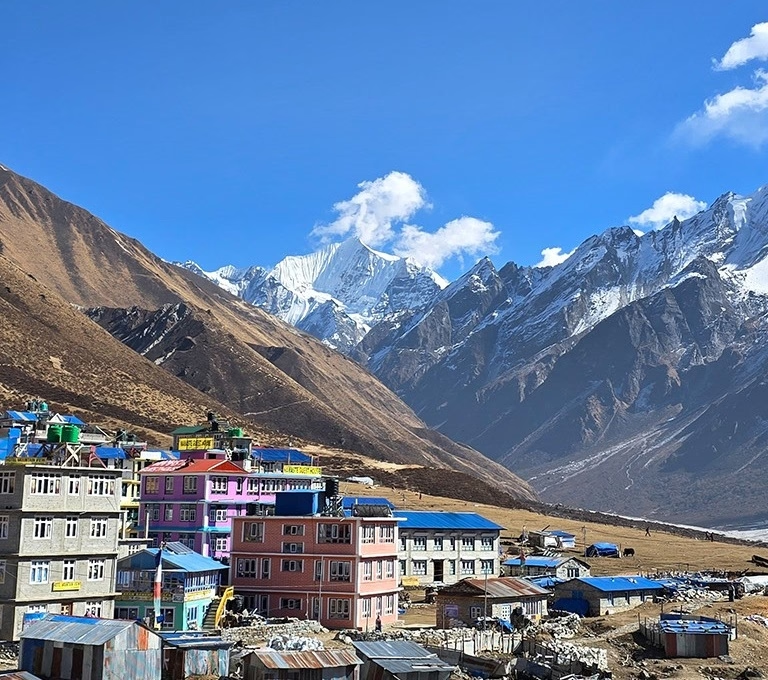
- Visit Langtang Valley's beautiful Tamang Heritage Trail.
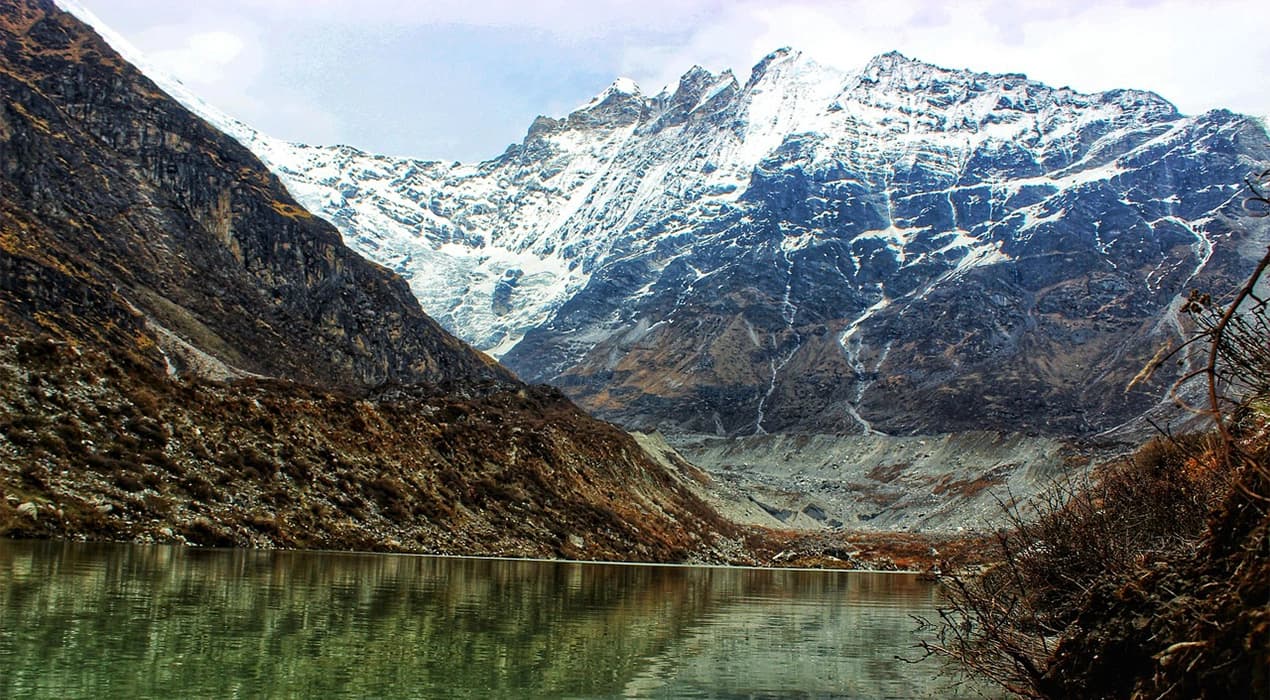
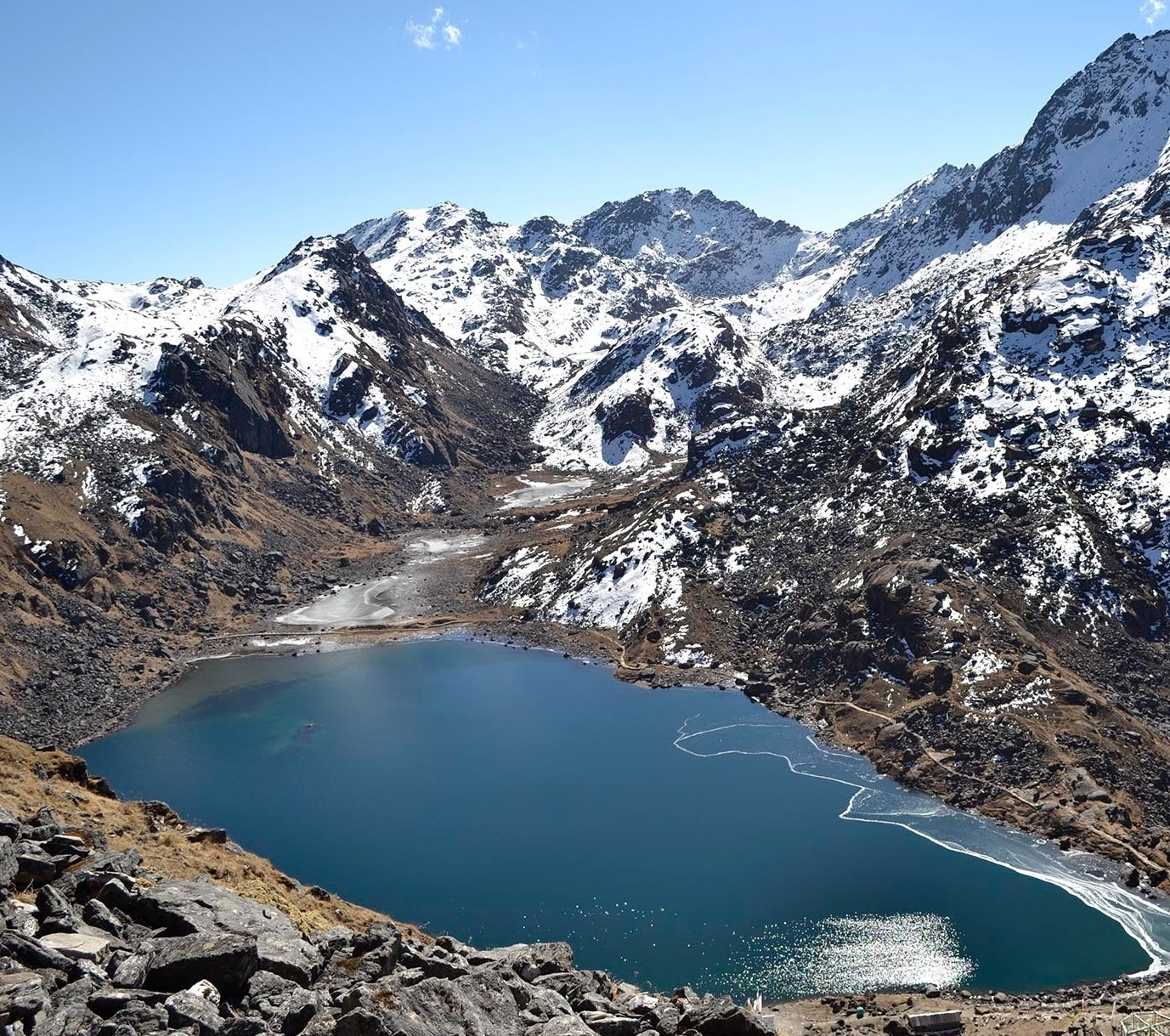
- Reach the blessed Gosaikunda Lake placed at a height of 4,380 meters.
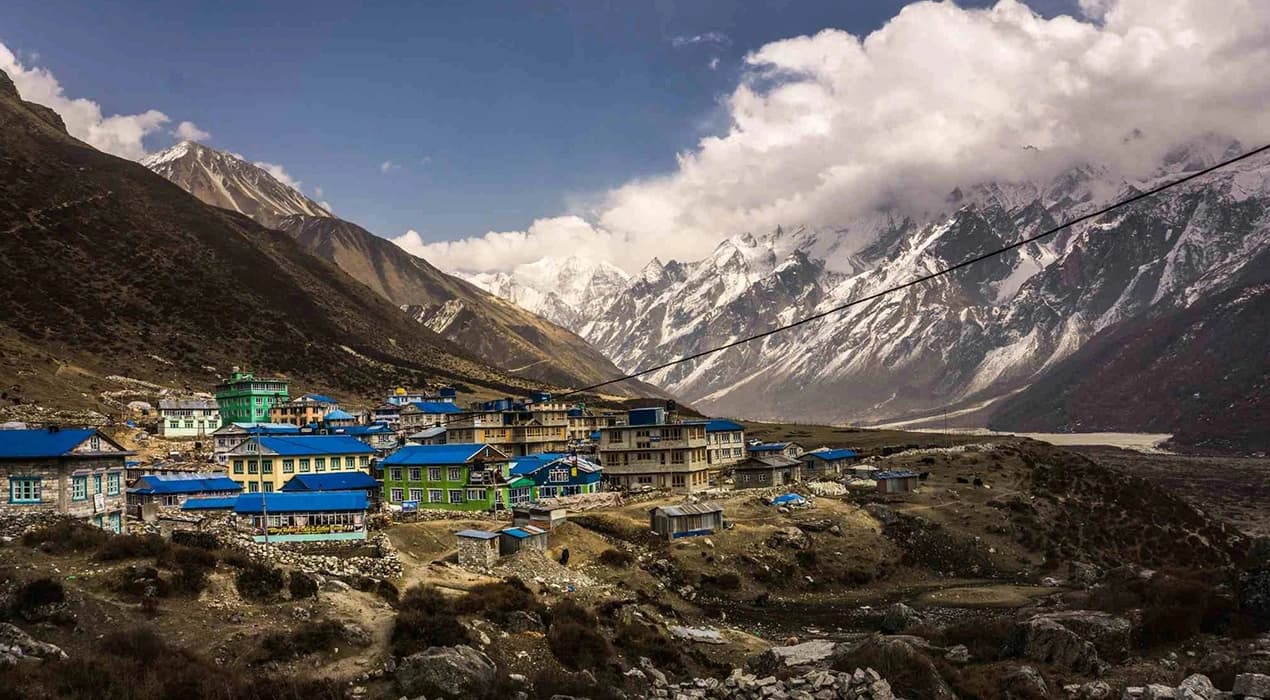
- Visit places with some culture such as Kyanjin Gompa, Lama Hotel, and Chandanbari.
- Walk to high altitudes such as Tserku Ri (4,985m), and Kyanjin Ri (4,770m)-imposing views guaranteed.
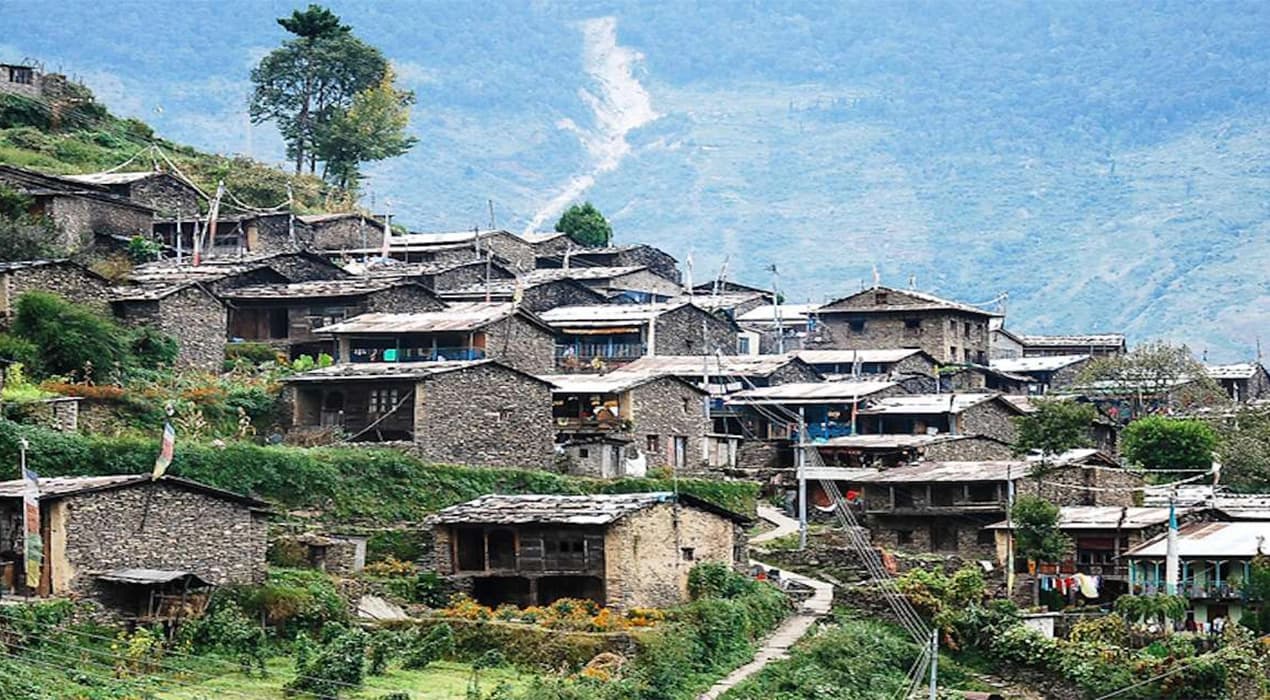
- Be amazed by the very rich Tamang culture by receiving the hospitality of some hidden places like Gatlang, Bridim, and Thulo Syabru.
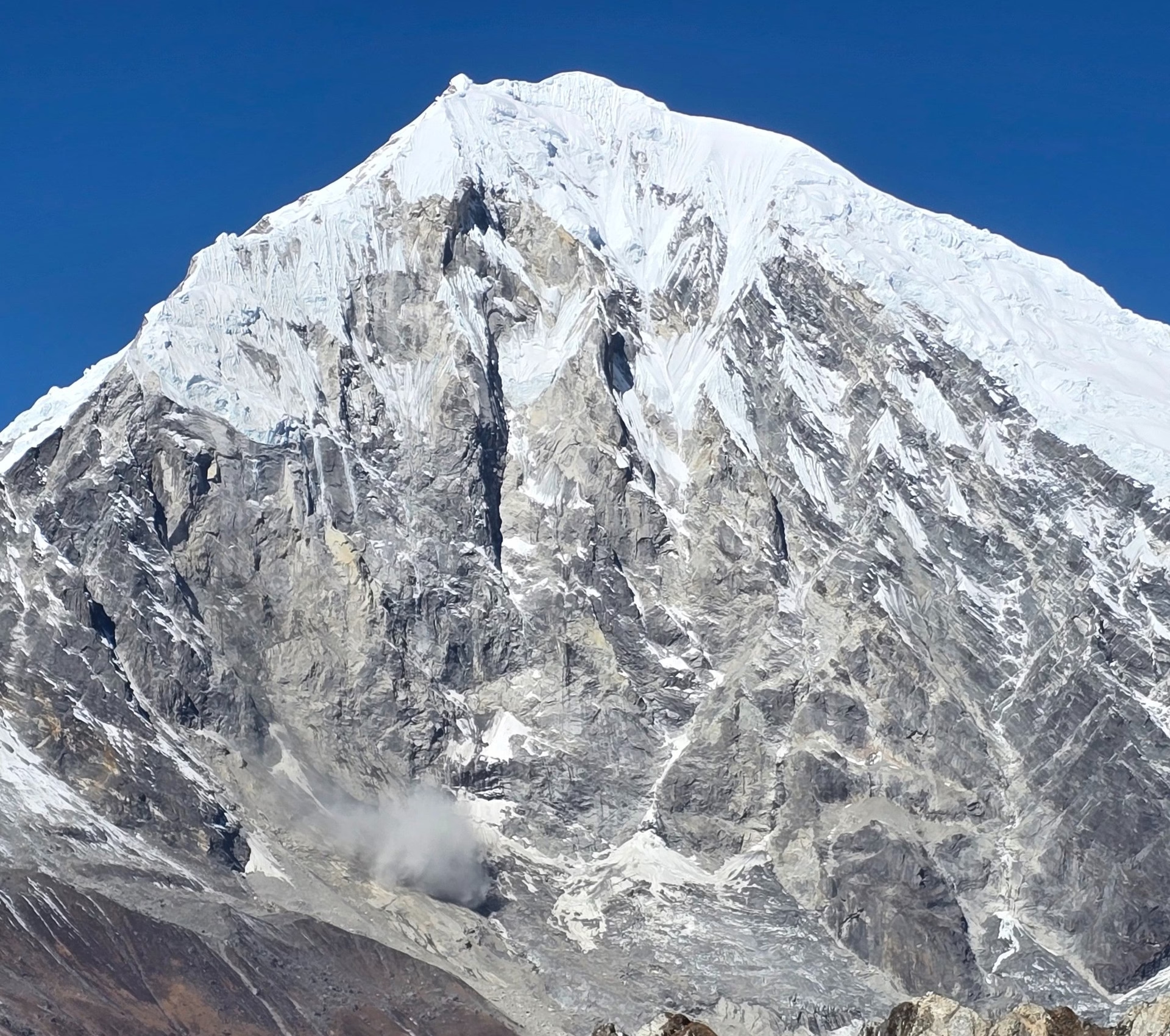
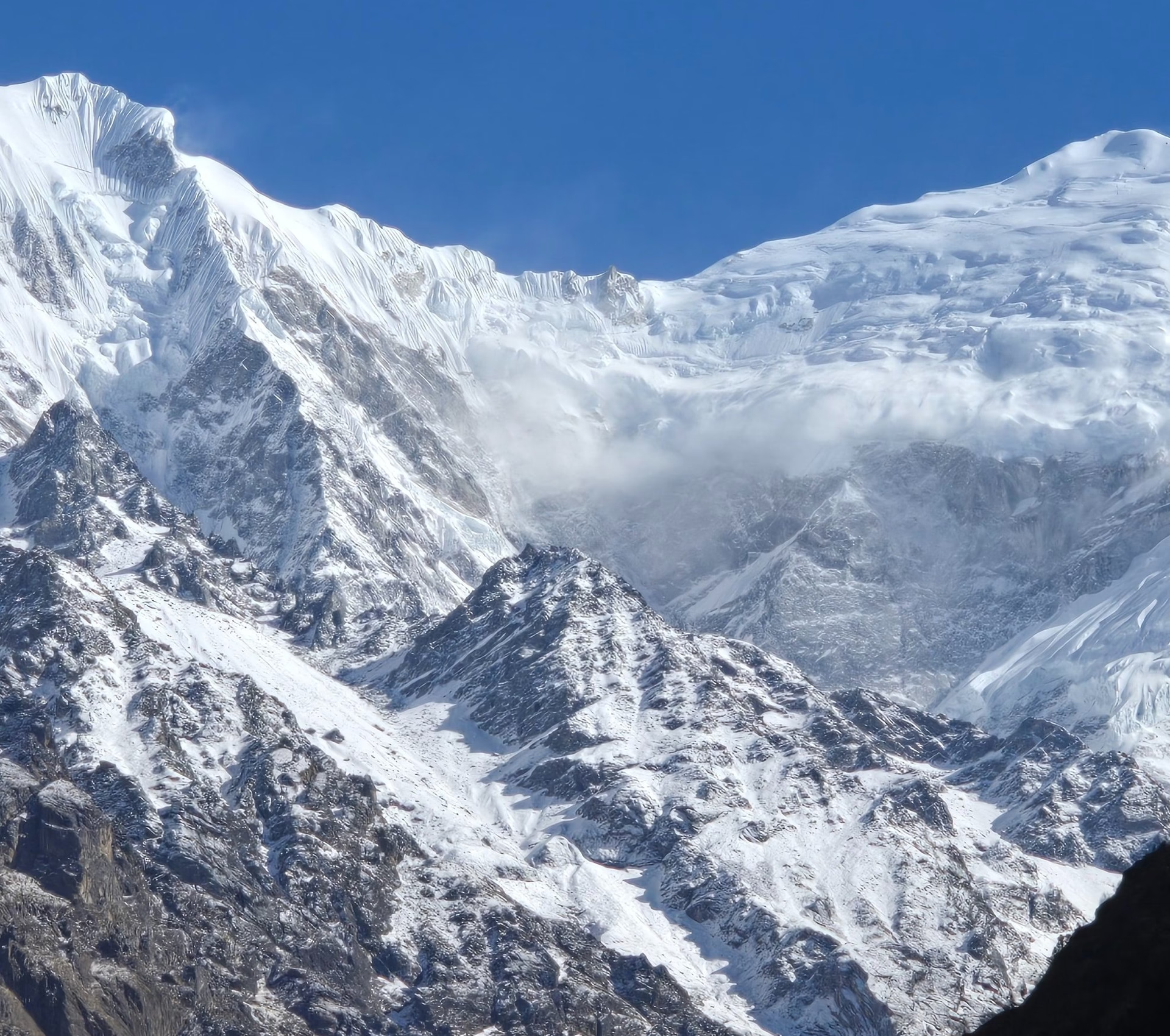
- Witness the beautifully scenic views of Himalayan peaks such as Langtang Lirung, Ganesh Himal, and Manaslu.
Langtang Valley plus Tamang Heritage Trail plus Gosaikunda Lake Trek
- 17 days
- |
- Intermediate


- DestinationTrekking in Langtang
- Group TypeOn Sale!
- Activities Guided Trekking
- Accommodation Guest House
- Max. Elevation4280m.
- Group SizeMin. 1 Pax
- VehicleLocal Bus
- MealsBLD
Langtang Valley plus Tamang Heritage Trail plus Gosaikunda Lake Trek Highlights
17 days Langtang Valley plus Tamang Heritage Trail plus Gosaikunda Lake Trek Overview
Fluttering prayer flags, earthly incense smell from centuries old monasteries, hidden valleys, and magical mountain vistas are major features of the Langtang Valley plus Tamang Heritage Trail plus Gosaikunda Lake Trek. Travel planners of the Nepal Trekking Rangers are Tamang People who are from the region and still follow traditional Lama Roots. Therefore, our itinerary never fails to provide authentic travel experiences. The biggest plus factor of booking the trekking package with the Nepal Trekking Rangers is that travelers can feel at home in terms of hospitality and services. In addition, our trekking crew members are trained in such a way that travelers feel like they are traveling with their friends and family.
The journey of the Langtang Valley plus Tamang Heritage Trail plus Gosaikunda Lake Trek is a perfect combination of nature, landscapes, religion, culture, and adventure. If you are planning to explore entirety of the Langtang region of Nepal, then this is an ideal trekking adventure to do in Nepal. Make sure that you contact our travel planners and book the right dates for the trip. Please note that solo or independent trekking in this trekking route is not highly recommended! This is the detour which traverses through difficult terrain and wilderness areas. Therefore, assisted travel is the best way and the safe way to trek in the trail. Relish the Tamang hospitality and explore the mystical valleys in an abode of beautiful Langtang Lirung Mountain.
Tamang Heritage Trail Trek Introduction
You should know that the Langtang Valley plus Tamang Heritage Trail plus Gosaikunda Lake Trek is not a simple walking trip. It is beyond ordinary trekking. Trekkers get emphatic experiences of unique culture and traditions of indigenous Tamang People of Nepal. What is the best way to know about culture and traditions of the locals? The best way to know about the locals is by visiting their homes. Moreover, living like locals and doing chores that they do is the best way to know them whole heartedly. Therefore, the Tamang Heritage Trail Trek itinerary is included in this trekking trip. Relish the chance to observe these people in their own courtyard. These people are friendly and hardworking people who deeply value their traditions. Majority of these people live in the Langtang region of Nepal and mainly in the villages like Briddim, Thuman, Gatlang, and Nagthali. All these villages are included in an expertly knitted trekking itinerary prepared by the locals from these villages. Get an authentic Tamang Heritage Trail Trek only if you wish to do the trek alone excluding other trekking sections.
Langtang Valley Trek Overview
The second trekking route on the Langtang Valley plus Tamang Heritage Trail plus Gosaikunda Lake Trek is the Langtang Valley Trek. It is the most commercial trekking routes of Nepal alongside the famous the Everest Base Camp Trek route, the Annapurna Base Camp Trek route, the Annapurna Circuit Trek route, and the Manaslu Circuit Trek route. In fact, the journey of the Langtang Valley Trek in Nepal offers great experiences of ancient Tibetan culture and traditions in centuries old monasteries including great Himalayan landscape. Moreover, the trek is also one of the best short trekking routes of Nepal. The trail has another deserving name among trekking operators based in Nepal as the nerve center of the Langtang Region. If you wish to do the Langtang Valley Trek only, then contact the travel planners of the Nepal Trekking Rangers. We have different types of trekking packages for this trek with variations in number of days and amenities.
Gosaikunda Lake Trek Overview
The third trekking trip is the exploration of the sacred Lake Gosaikunda. Yes, at an altitude of 4380 m from sea level, the Gosaikunda Lake is an epitome of all the lakes of the world. The location and beauty of the lake in the natural terms are on next level. Moreover, the religious importance and myth associated with the lake is on another universe. The lake is the favorite playground of Lord Shiva who is the darling of all Hindu devotees. In addition, the lake is equally important and significant to Buddhists followers.
Langtang Valley plus Tamang Heritage Trail plus Gosaikunda Lake Trek Itinerary and Cost
The cost of the Langtang Valley plus Tamang Heritage Trail plus Gosaikunda Lake Trek in Nepal ranges from 1550 $ to 1700 $ per person. This is the premium price for the premium trek in terms of guiding services, hospitality, and safe trekking experiences. The budget for the trek depends heavily on the preferences of the trekkers and the group size. Please contact our travel planners for better prices. You can get different price ranges for different group sizes. However, the level of services and hospitality is never compromised by the crew members of the Nepal Trekking Rangers. The itinerary includes the sections of the famous Langtang Valley Trek, Gosaikunda Lake Trek, and Tamang Heritage Trail Trek. Don’t forget that you can do separate trekking trips in these sections and you can find trekking package for these trekking trips in our website.
How to Prepare for Langtang Valley Tamang Heritage Gosaikunda Lake Trek in Nepal?
Trek preparation is important for hassle – free and successful trekking in Nepal. The trails of Nepal are diverse and require immense physical fitness. Moreover, the trekking route of the Langtang Valley Tamang Heritage Gosaikunda Lake Trek in Nepal is challenging detour with lots of uphill and downhill sections in the high – altitude places. Therefore, you must prepare well both physically and mentally. Besides physical and mental preparations, you must consider the packing list, best season to trek, and requirements. Choose months of spring (March – May) and autumn (September – November) for trekking trip in this trekking route. Get travel insurance which is valid for emergency rescues and accidents in the places below 6000 m altitude. Pack light and essentials after consultation with the trekking experts and travel planners of the Nepal Trekking Rangers.
Book Langtang Circuit Trek in Nepal
Contact us today for a wholesome Himalayan and cultural experiences. Book the Langtang Circuit Trek package that includes trekking inside almost every sectors of the Langtang region of Nepal.
Langtang Valley plus Tamang Heritage Trail plus Gosaikunda Lake Trek Itinerary
Your representative from Nepal Trekking Rangers would be yourself in Kathmandu, the Nepalese capital, and you would then transfer to your unique hotel. Rested, you will either visit the lively Kathmandu Valley or the Langtang Valley trek preparing.
A beautiful stop on the way to the Himalayas is Kathmandus's many cultural and historical sites such as Pashupatinath Temple, Durbar Square, and Swayambhunath Stupa (Monkey Temple).
If the provided schedule isn't suitable for you, we are able to create personalized travel arrangements according to your preferences and requirements.
Choose Your Package
(Guide. Porter. Permits. Transportation. Accommodation)
Cost Includes
Transportation
International/Domestic Airport pick up and drop off by pricate vehicles as per group size
Tourist Bus or Local Jeep (KTM-Syabrubensi-KTM) – Both Ways
Accommodation
2 Nights Accommodation at Tourist Standard Hotel or Boutique in KTM
14 Nights Accommodation along the trek (Guest Houses or Tea Houses and Attached bathroom in Possible Places)
Food/Drink/Snacks
Not Included
Permits and Expenses
Langtang National Park Entry Permit
TIMS CARD (If It Requires)
All Local Government Taxes and Official expenses
Guide and Porter
Government Register Licensed holder Guide with fluently speaking English Language
An Assistant guide each 7 Trekkers
A porter for each 2 clients (20 KGs limit weights for a Porter)
Covers their (guide and porter) wages, meals, hot drinks, accommodation, transportation, insurance and necessary trekking gears)
Souvenir or Complimentary
Nepal Trekking Rangers Company’s T-shirt/Cap/Buff
Trekking Route Pocket Map
Benefits
NTR’s Duffel Bag each client (return basis)
Sleeping Bag and Dawn Jacket (return basis) If you require
Cost Excludes
International Flights Fare
Nepal Entry Fees (15D-$30, 30D-$50 and 90D-$125)
Accommodation
If you stay more than 2 nights in Kathmandu in case of early return in any reason or late departure
Food and Drink
All Food and Drink (Breakfast Included)
Tips
Guides and Porters as gratitude
Travel Insurance and Expenses
Travel Insurance covers emergency High Altitude Rescue/Evacuation (upto 6000m)
Personal Transportation of ground and Air both
All soft and hard drinks, All hot drinks in pot size or above 4 cups a day, Snacks, extra Chocolate bar
Sanitary material such as wet wipe tissues/toilet paper
Hot Shower/hot or boiled water, Wifi, Battery Charge
Hot bag during the nights
Shopping/Souvenir for family and friends
All the extra things/expenses which has not included in the list
Dates & Prices
Your private Langtang Valley plus Tamang Heritage Trail plus Gosaikunda Lake Trek begins from and ends in , covering 17 days of adventure.
We organize exclusive trip for two or more, ensuring a personal and flexible experience.
Private Group Deals
| 1 Person | US$ 850 |
| 2 - 6 Person | US$ 635 |
| 7 - 14 Person | US$ 610 |
| 15 - 30 Person | US$ 575 |
Know Before You Go
Trek Difficulty
The trek is, in most sense, quite moderate to challenging; that is to say, it is not all that technically difficult but has some physicalities attached to it.
Physical Fitness: The trek will take several days, several hours of walking daily ranging from 6 to 8, and will have ascents and descents. Thus, for an individual to be comfortable throughout the trek, there will be the need to be well-trained physically. Regular cardiovascular workouts, strength training, and endurance training will be important preparation.
High Altitudes: It is one of the major issues faced in making this expedition. The trek soars past 4,000 m (13,000 feet), the maximum elevation attained being at Tserku Ri with 4,985 m. The air is less oxygenated at such heights, thus provoking the risk of altitude sickness if not properly managed. Acclimatization is the advisable solution (ascending bit by bit).
Acclimatization and Rest Days: As the comprehensive trekking itinerary is inclusive of prescribed rest days in which the body's acclimatization to altitude will be allowed, all those rest days must be taken as they help in averting and helping to manage the incidence of altitude sickness life-threatening if left unattended at times. The itinerary, thus, tends to be a slow ascent and includes halts for acclimatization at some places.
Best Time to Trek
Trekking season is vital for completing the journey conveniently and joyfully. The ideal trek time for the trails in Langtang Valley, Tamang Heritage Trail, and around Lake Gosaikunda is:
Spring (March to May): This is the peak season among others in the region for trekking. Temperatures during this season are very moderate, the skies clear most of the time great view of the peaks, with the added advantage of forest areas brimming with blossoming rhododendrons.
Autumn (September to November): This season represents another peak trekking season. The air is settled; the weather close to prev monsoon rain makes it suitable for hiking. The autumn season also has a much smaller number of trekkers compared to spring, so you are getting more on a quieter trek than in other trekking times.
However, June to August is the monsoon season, and neither of these months is very good for trekking trips. Landslides and muddy trails caused by heavy rains make treks much harder and more dangerous. Also, clouds and rainfall block any open views.
Altitude
The places in the trekking area reach considerable heights, making acclimatization a necessity:
Tserku Ri (4,985m): The highest point on the trek with great views over the Langtang Himal range; at almost 5,000m where the air is thin and care for altitude sickness should be taken by the trekkers. The trek will make acclimatization stops before this to give time for the body to adjust.
Gosaikunda Lake (4,380m): Here lies a sacred lake calm, serene, and topmost in its altitude. It is known with great religious importance for both Hindus and Buddhists. Proceed slowly on the trek to this elevation to avoid altitude sickness.
Altitude sickness: Altitude sickness occurs as you climb, the atmospheric pressure diminishing with height limits the oxygen available for your body to acclimatize. Symptoms may include a headache, dizziness, nausea, shortness of breath, etc. If such severe symptoms persist, you have to descend to a lower altitude and seek medical help.
Accommodation
While trekking in the Langtang Valley, Tamang Heritage Trail, and Gosaikunda Lake, accommodation is mostly provided in teahouses and lodges. These are little, local establishments where trekkers stop to rest, eat, and sleep together. Here are some things one could expect:
Basic Rooms: The rooms are even now very basic, featuring a bed, pillow, and warm blankets. Besides, they may be coupled with no or limited privacy because it may attract more than one tenant. Electricity sometimes may not be available at all hours or powered by solar energy.
Shared Bath: These generally have a squat toilet with a small area of showering for some cold water, yet hot water may be charged in a few tea houses.
Comfort: While unaffordable in the sense of luxury, these teahouses offer a comfortable place where one can unwind after trekking for a long day. It's easy to imagine a warm, homely atmosphere when you'd probably want to meet other closely associated trekkers and be in local hospitality.
Food & Water
While on trek, food and water are vital, and in the Langtang region, there will be several kinds of foods and drinks available.
Food:
Traditional Nepali Meals: These are generally simple but nutritious meals for the trekkers provided in the teahouses. Some of these most-used meals include.
Dal Bhat: It is rice (bhat) with lentil soup (dal), and it can be served with vegetables and pickles, it is usually a popular Nepali dish and a staple food for all. It is very nourishing and filling.
Momo: They are Tibetan-style dumplings. These can be stuffed with meat or vegetables, usually a favorite munching snack along the trail.
Noodles and Soups: Several noodle dishes are accompanied by soups like thukpa. Noodles tend to have warm energizing foods since they can be found mostly in the region.
Tibetan Bread: This is a popular flatbread that people take with tea; it can also come in handy for other meals.
Water:
Always keep well hydrated, particularly at high altitudes. The only problem is that teahouses sell bottled water, and it is expensive, there is an associated environmental problem of plastic waste. Bringing water purification tablets or a water filter to treat water from local streams or teahouses would then reduce your need to buy bottled water while having access to clean drinking water: all while reducing environmental impact.
Most of the available foods are safe, but best to always check if the food is well cooked since, at this point, it is expected to be higher up in the mountains. Cooked food is best, without raw vegetables and unfiltered water.
Packing Essentials:
While going for the Langtang Valley plus Tamang Heritage Trail plus Gosaikunda Lake Trek, prepare for a light pack but do not compromise on anything that may help ensure a safe and comfortable trip. Below is a short packing checklist in brief:
Clothing:
Base Layer: Moisture wicking (top and bottom).
Fleece jacket or insulated jacket: Warmth when needed.
Waterproof jacket: For rain or wind protection.
Hiking Trousers: Light-weight and very comfortable for long walks.
Thermal: For the coldest days when at higher altitudes.
Gloves, hat, and scarf: Warmth at high-elevation sites.
Sun hat and sunglasses: The essential protection from the sun.
Footwear:
Hiking boots: A very tough, at least water-resistant, pair of boots that have been properly broken in.
Trekking Socks: A lot of pairs of socks are made of moisture-absorbent fabric.
Camp Shoes: Lesser sandals or slippers for the rest days or tea houses.
Sleeping Gear:
Sleeping Bag: At least 10°C or 14°F low temp rating.
Sleeping bag liner (optional): For adding more insulation/comfort.
Health & Hygiene:
Personal first aid kit: Pain relieving medications and antiseptics, bandaging items, treatments for inside-the-month blister, and any personal medications.
Personal Necessities: For instance, toothbrush, toothpaste, bio-degradable soap, toilet paper, wet wipes, etc.
Sanitizer: Take away surgical on-the-go happiness.
Sunscreen and lip balm SPF.
Other Essentials:
Head torch with spare batteries.
Power bank: To charge your phone and camera.
Camera: To capture the beauty of the landscapes.
Water purification tablets or filters: To purify water from streams or tea houses.
Passport and visa (if necessary).
Trekking permits: Langtang National Park permit, TIMS card.
Travel insurance covers trekking and emergency evacuation.
Cash should be in Nepali Rupees (NPR) for tea house stays and food.
Daypack: Water, snacks, and a camera to be carried during the day.
Trekking poles: One for stability and to take the strain off your knees.
Snacks: Energy bars, mixed nuts, and chocolates that boost extra energy on the trek.
Permits and Documentation:
TIMS card (Trekkers' Information Management System): For trekkers using this region.
Langtang National Park Permit: This trekking permit is needed to trek into the Langtang Valley. You can obtain both permits at the Nepal Tourism Board of Kathmandu.
Altitude Sickness Prevention
There is acute mountain sickness, or altitude sickness, caused by trekkers through the huge heights above 4,000 meters (13,000 feet) of the Langtang Valley, Tamang Heritage Trail, and Gosaikunda Lake trek.
Prevention of Altitude Sickness:
Hydrate: Having very high altitudes, the environment is dehydrating, and it worsens AMS. You need to drink a lot of fluids (about 3-4 liters a day); do not drink too much caffeine or alcohol that causes dehydration. Get a water filter or purification tablet to make sure that the water you are going to drink is safe.
Steady Pace: The speedily going upward place is very much prone to strain the body and therefore susceptibility to AMS. The main thing is: do not rush in the trekking. This is called the 'pole pole' (slowly, slowly) method. Accordingly pacing oneself, while being enthusiastic about the trek, will allow the body to adapt to these changes and develop a gradual acclimatization process in the amount of oxygen available at higher elevations.
Break and Acclimatize: Insert rest days in the travel plan for the body to adjust to the altitude. On the days of ascent further up the altitude, ensure to remain at that level for at least one night before going higher. A common practice is to go higher and descend to sleep at lower levels (for example, to trek up to a higher elevation during the day and come down again for night sleep).
Listen to Your Body: Pay attention to your feelings. If you get the likes of a headache, light-headedness, vomiting, or breathing difficulties, you might have AMS. It is wiser not to ascend at this particular time. Immediately go down to a lower altitude and seek medical attention if it still does not improve.
Weather Conditions
The weather here in the Langtang Valley and adjacent regions can very much be unpredictable. So, keeping preparation against all odds-a weather type, especially in higher altitudes, such as Kyanjin Gompa and Gosaikunda Lake since temperature drops can be very dramatic.
Key Weather Considerations:
Low temperatures: While the warm months are spring and autumn, early morning and evening can still drop to lower levels, especially at altitudes of 3,500 meters (11,500 feet) and above. Be prepared to discover at least some freezing temperatures or even lower during the daytime at the higher altitudes, given the fact that snow or hail are usually received within these areas and thus prepare to be well ready for cold conditions.
Proper Clothing:
Bring warm layers to protect against the cold. Here are some of the important things you will need:
Thermal clothing (padding).
Insulated jacket (down or synthetic).
Windproof jacket.
Warm gloves, hat, and scarf.
Thermal sleeping bag (sub-zero rated) since these nights get very cold.
Rain and Snow: Weather conditions here can change so fast that one may find rain or snow showers during the dry season. Therefore carry with you a rain jacket at all times and expect some weather crab shocks.
Wildlife and Flora
Langtang National Park is full of treasures in terms of biodiversity. It is the gateway to seeing and learning a lot more about wildlife and various flora and fauna. One needs to keep the following points in mind if one encounters wildlife or touches the environment.
Wildlife
Red Pandas: These rare creatures live for the most part in forests of the Langtang region, and these are the ones trekkers find it most difficult to see. However, they can be searched as they live high up in an immensely dense forest.
Himalayan Tahr: Commonly referred to as the mountain goat, this huge goat-like species is often sighted grazing on cliffs.
Other Animals: Other animals found in the park include monkeys, pheasants, and wild boars. Rarely will a person get a view of snow leopards as well.
Flora
Rhododendron Forests: This area is also famous for the wonderful rhododendron forests that bloom in spring and then give color to the place.
Other Flore: Dense bamboo forests at lower altitudes will be trekked through and form lush environments for many species of wildlife.
Allegedly safe concerning wildlife: Usual non-aggression of wildlife in Langtang calls for alertness regarding surroundings. Do not approach or disturb animals, especially wild ones, as they may become defensive. Capture the magic with a camera but keep a respectful distance from nature.
Local Culture
Almost entirely populated by the Tamang ethnic group, the Langtang region is home to a people whose culture is heavily influenced by Tibet. You will learn about their traditions and lifestyle while walking.
Main cultural etiquette:
Respect the Local Traditions: The Tamang people welcome you with open hands, but do respect their culture and traditions. Greet everyone with a "Namaste", which is a traditional Nepali way of greeting, be polite, and give respect to all.
Photography: Most of them are proud of their culture but always ask before taking photos of an individual or a sacred Buddhist monastery or prayer wheels. Many people have cultural or religious inhibitions on photo shoots, and, therefore, avoid them.
Buddhist Monasteries and Sacred Places: There are more than a few prayer wheels and stupas attached to Buddhist monasteries in this region. Thus, these become holy places, which therefore must be visited with a mindset of respect. When you walk past any stupa or prayer wheel, the movement should always be clockwise; in this way, one is supposed to treat himself toward the stupa or prayer wheel, according to Buddhism.
These people, who belong to Tamang ancestry, live in wooden houses made up of severe construction built in mountains that might face unfavorable adversities. Appreciate the old architecture and the surrounding landscapes while passing through the villages, but be very careful not to intrude in the private lives of the people.
Traveller Review
His quite nature, and taking care of things when and where required.
I spent over one month with Yuddha, his wife and team of assistants on treks and religious travel namely i) Annapurna , 5 days ii) Pokhara and Muktinath, 8 days and iii) Everest Base Camp and Three Passes, 19 days. I must say that my wife and I had wonderful time with Yuddha and his family. Yuddha is a true professional and goes out of way to make things happen. During my time there were several weather related events but Yuddha was able to find solutions for each adverse situation and allow us to continue our journey. He is flexible with timeline, providing facilities and help. My wife also stayed with his family while I was on trek. She thoroughly enjoyed the hospitality provided by his wife. 
Prakash B 20th Oct, 2026 Great holiday on the roof of the world
Yuddha the company owner has taken care of everything from domestic flights to car transfers, hotels etc. He has put together a very individual trip that has left nothing to be desired. Also the hike Anapourna Circuit was perfectly organized. I can only recommend this company to anyone who wants to travel to Nepal individually. 
Laura B 12th Aug, 2026 A Guide Who Truly Spreads Light
Yuddha is the best guide I have ever met. He is sensitive, very experienced, and always cheerful. He answered my questions with openness, honesty, and kindness. He paid close attention to our group’s needs, and I felt completely safe under his guidance. He booked wonderful accommodations for us and handled the meals very professionally as well. I hope I’ll get the chance to hike with him again — I really miss our conversations. 😊 
Ghyzsofi 12th Aug, 2026 Highly recommend
I had an amazing experience trekking in the Everest region with Nepal Trekking Rangers. What truly made this journey special was Yuddha. I first met him as a customer during the trek, and by the end of the trip, we had become friends.Yuddha was incredibly supportive, knowledgeable, and attentive throughout the experience. Even after the tour ended, he continued to check in and offer extra care and help, which really meant a lot. His information, guidance, and genuine concern made the whole trip smooth and memorable.He is a truly nice guy—down to earth, mellow, and easy to be around. You can tell he genuinely cares about his clients and his work. I highly recommend Nepal Trekking Rangers and especially Yuddha to anyone planning a trek in Nepal. I sincerely hope his business continues to grow strong—he deserves it. 
Tia 15th Oct, 2025