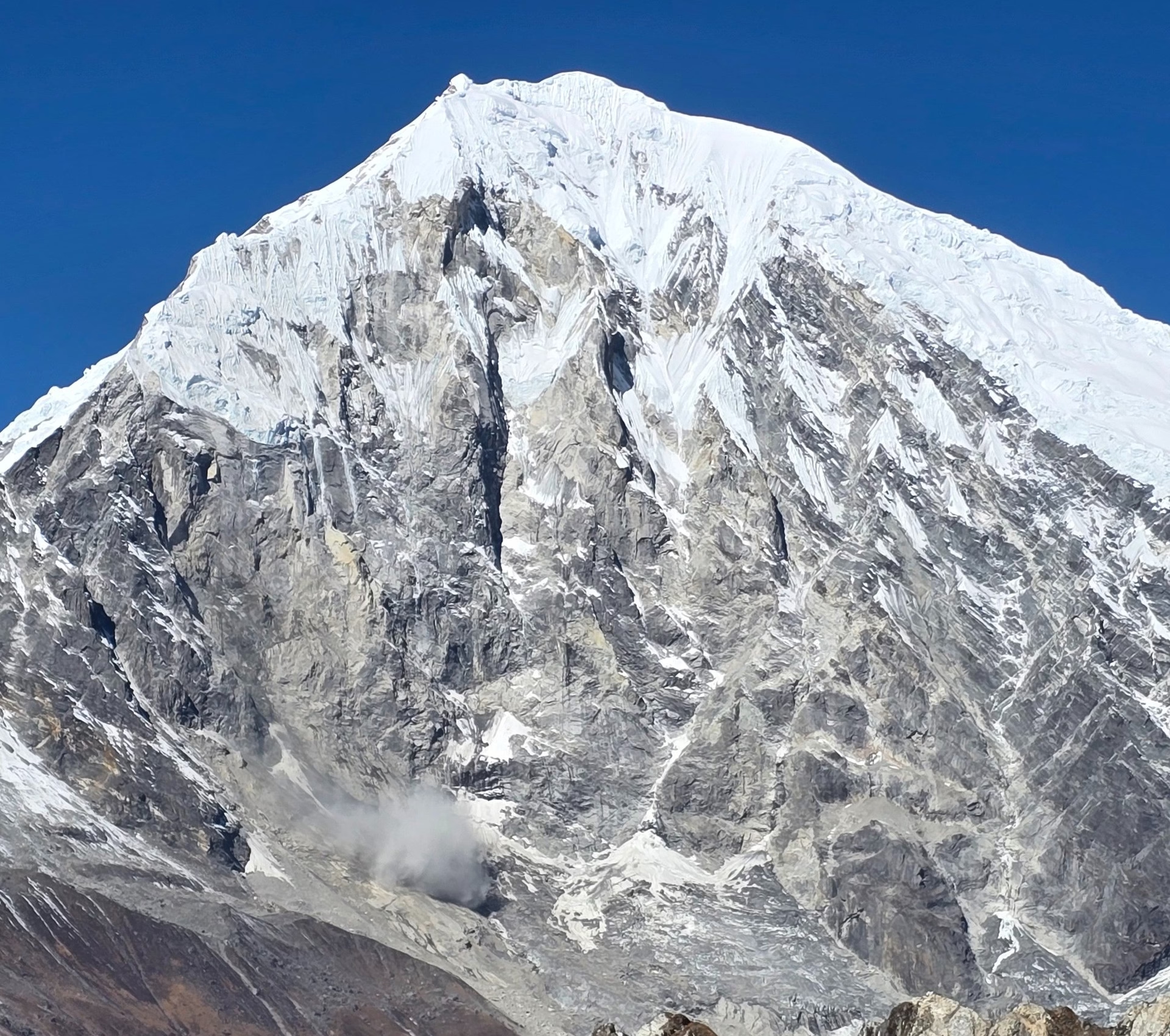
Staring at beautiful peaks, such as Langtang Lirung, and others almost overwhelming in their splendor
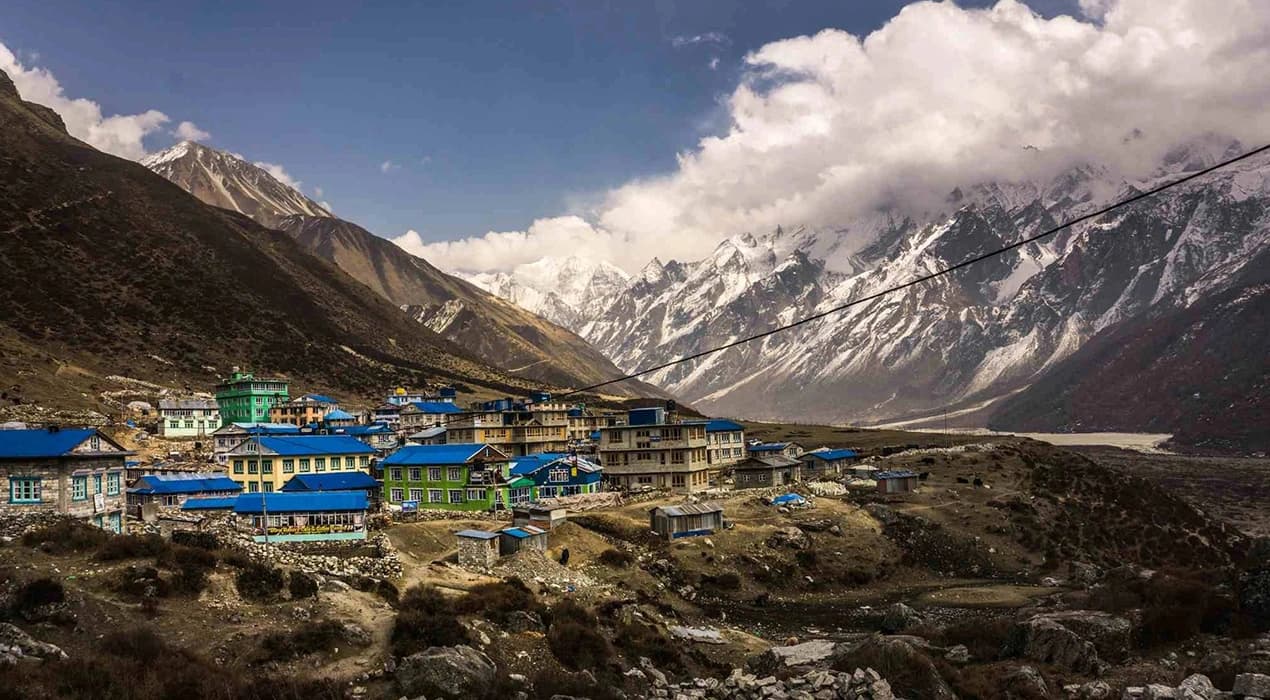
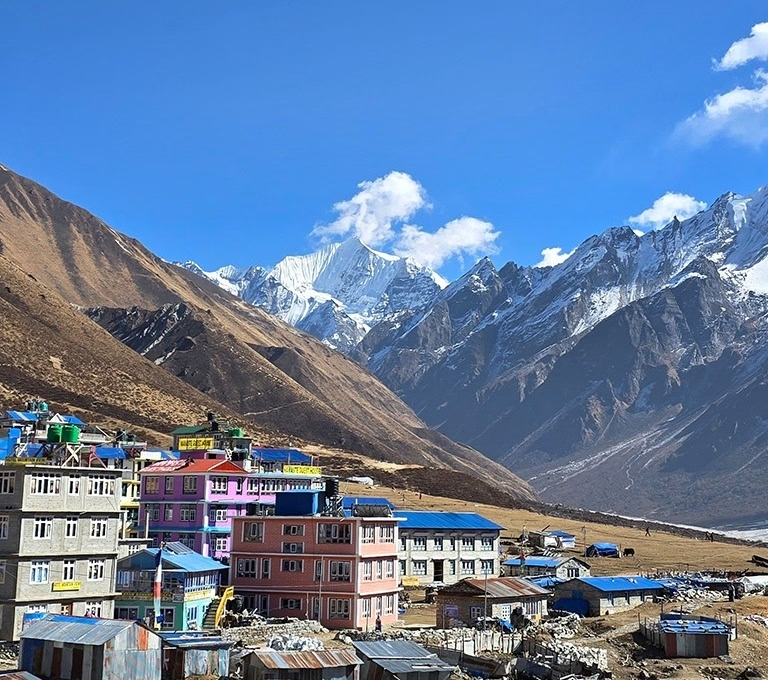
Kyanjin Gompa and Tserku Ri provide the ultimate bird's-eye view of the mountains.
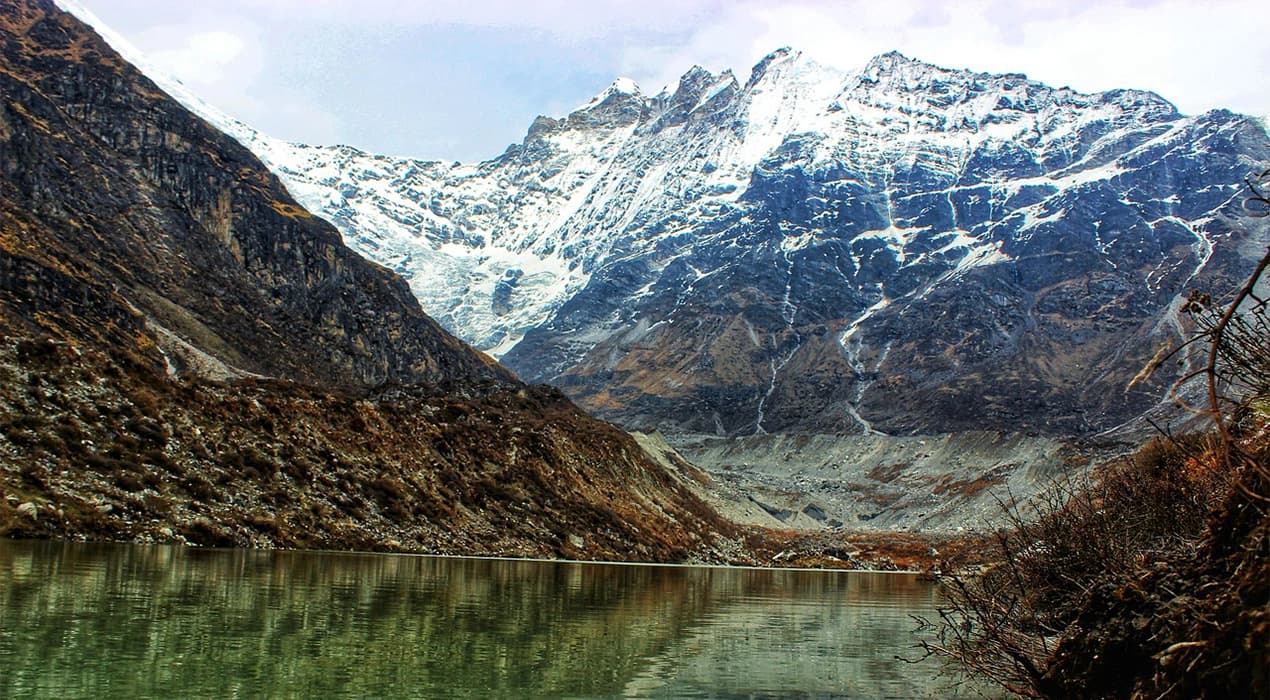
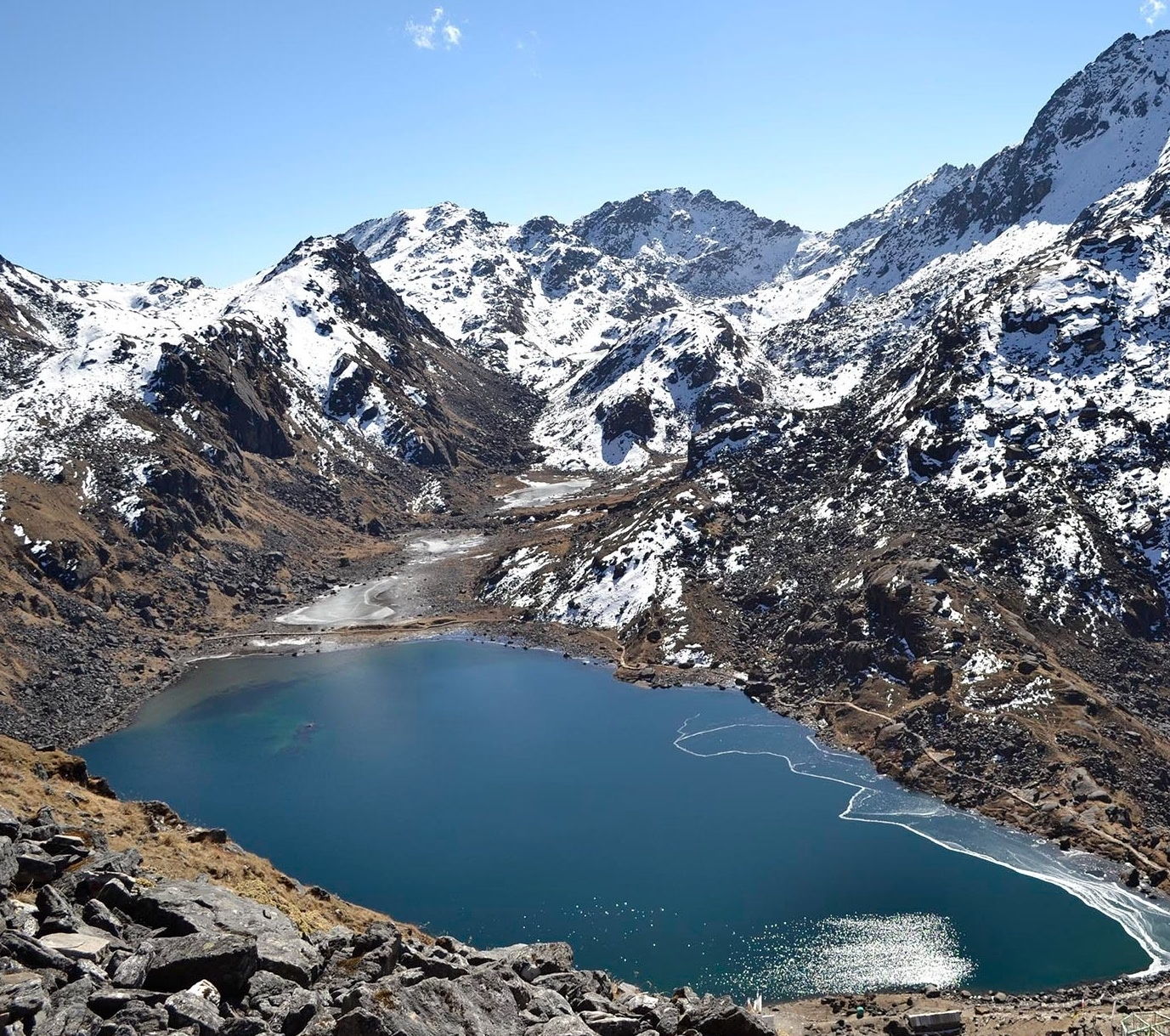
The sacred Gosaikunda Lake is the site of the religious pilgrimage for both Hindus and Buddhists.
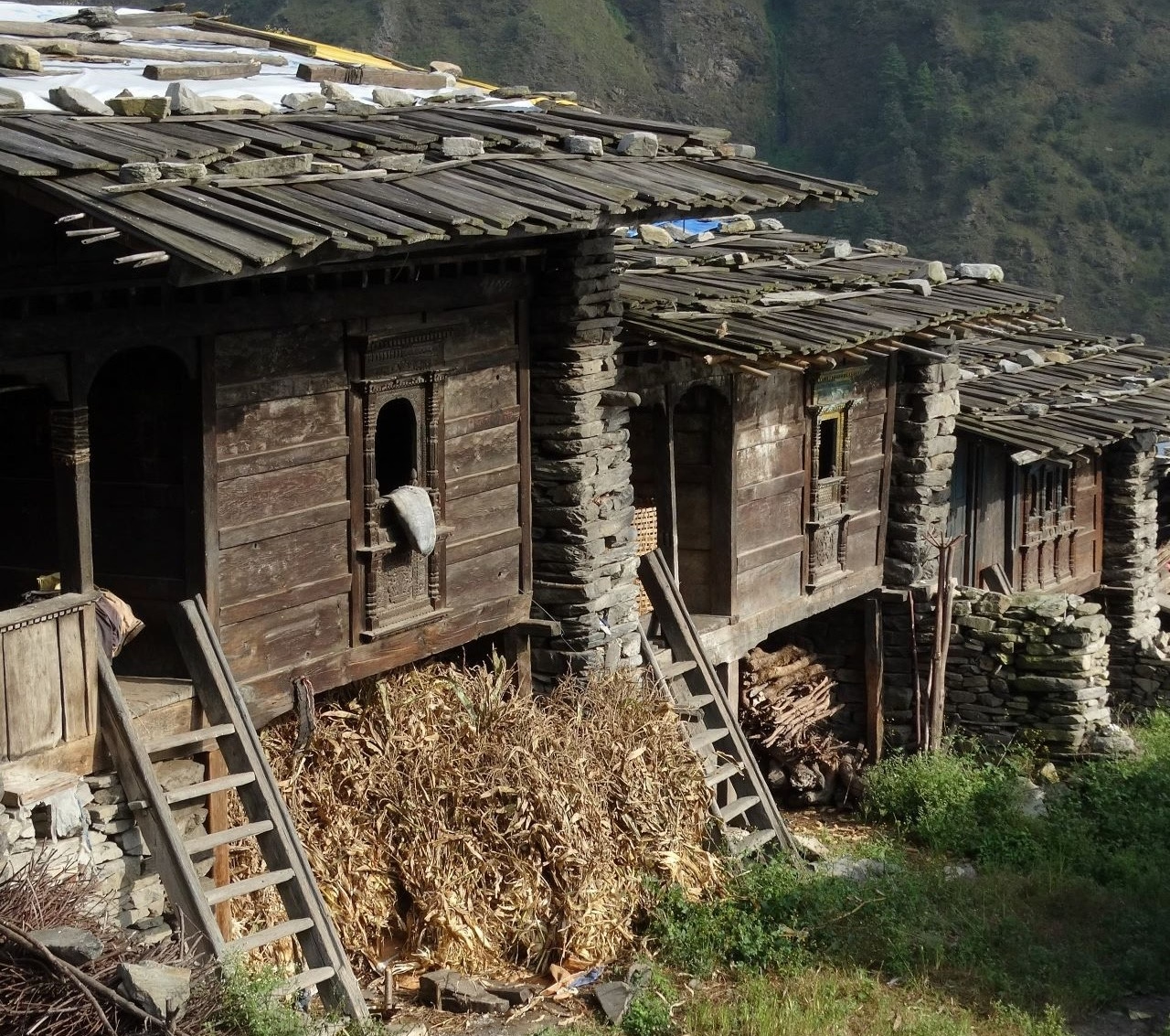
Experiencing Tibetan culture through monasteries and remote villages.
Exciting hikes at altitude, including Kyanjin Ri and Tserku Ri.
Wonderful views of rhododendron forests and alpine meadows.
Langtang Valley and Gosaikunda Trek
- 14 days
- |
- Intermediate


- DestinationTrekking in Langtang
- Group TypeTop Seller !
- Activities Guided Trekking
- Accommodation Guest House
- Max. Elevation4280m.
- Group SizeMin. 1 Pax
- VehicleLocal Bus
- MealsBLD
Langtang Valley and Gosaikunda Trek Highlights
14 days Langtang Valley and Gosaikunda Trek Overview
Dip in the holy water and walk on the divine trekking trail protected by snowy mountains and mythical ancient gods! Clean your soul while traversing through the ideal landscapes which you may have imagined in the legendary paintings only! Yes, the Nepal Trekking Rangers offers you the most fantasy filled trekking adventure itinerary that takes you to the mystical valleys and sacred glacial lake in one single trip. The Langtang Valley and Gosaikunda Trek is probably the best lake comprising trekking route alongside the Gokyo Lake Everest Base Camp Trek to trek in Nepal. Therefore, don’t miss out to knit an ideal walking holiday moments here in Nepal!
Imagine walking in the trekking trail that traverses through diverse vegetation and ends in the sacred glacial lake! It is indeed the journey filled with joy, spirit, mountains, flora, fauna, ancient monasteries, landscapes, and Tamang culture! Accumulate Himalayan holiday moments at the most competitive cost in the two weeks long journey into the jewels of the Langtang region of Nepal.
Jewels of Langtang Region
Do you know that the Langtang Valley and Gosaikunda Trek route traverses through almost every popular places of the Langtang region? Yes, this is the perfect trekking route to trek in the Langtang region if you want to explore every nooks and corners of the region. The region is in the northern side of Kathmandu Valley and it is the nearest yet famous trekking region of Nepal. The guaranteed departure options make this region favorite among trekkers from across the globe.
Major highlights of the Langtang region of Nepal are Gosaikunda Lake, Thulo Syabru Village, Lama Village, Ghoda Tabela Forests (known for spotting of endangered species of Red Panda), Langtang Village, Kyanjin Gompa, Syabrubeshi, Chortens, Monasteries, Stupas, forest core areas of the Langtang National Park, etc. All these things are inside the trekking route of the Langtang Valley and Gosaikunda Trek. Therefore, the trail is often referred as the jewels of the Langtang Region. Grab your seats for the mesmerizing trekking trips! We guarantee enticing scenery and impeccable hospitality throughout the trekking trip. In addition, you can get the wholesome trekking package of 14 days itinerary at just 1275 $ per person.
Langtang Valley and Gosaikunda Trek Itinerary and Cost
Syabrubeshi as the starting point of the Langtang Valley and Gosaikunda Trek is no surprise as it is same for almost all the trekking trips inside the Langtang region of Nepal. Our itinerary starts from your arrival until your departure from Kathmandu. The trek traverses through Lama Hotel, Langtang Village, Kyanjin Gompa, Thulo Syabru, Gosaikunda Lake, and Dhunche before ending the trip in Kathmandu. You can call this as a mini Langtang Circuit Trek.
Please note that the detour trekking trip which is also famously known as the Langtang Circuit Trek is the Langtang Valley Tamang Heritage Gosaikunda Lake Trek. Please note that the Langtang Valley and Gosaikunda Trek itinerary costs from 1275 $ to 1500 $ per person. It depends upon the preferences of trekkers and amenities used in the trek. You can contact our travel planners to get more information about the cost and possible change in the itinerary. We are here 24/7 to assist you in customizing the trekking trip according to your budget and preferences.
Short Introduction of Langtang Valley Trek
The Langtang Valley Trek in Nepal is one of the commercial and popular trekking routes of Nepal. It is the well-trodden trekking route full of modern facilities required for the trekkers from accommodation to meals. The trek is known for its diverse flora and fauna. Moreover, the trail of the Langtang Valley Trek is considered as the spiritual walking path into the heart of the Himalayas where one can find inner peace and solace. The man – made monasteries built 700 years ago and mundane Himalayan life can surely change your perspective of life. In addition, the trek is possible in less than a week’s holiday and the trail is one of the best guaranteed departure trekking routes of Nepal. The face of the Langtang region is the Langtang Valley Trek in Nepal. Therefore, the travel planners of the Nepal Trekking Rangers knitted an ideal trekking itinerary of the Langtang Valley and Gosaikunda Trek.
Gosaikunda Lake Trek Short Introduction
The Gosaikunda Lake is sacred glacial lake for both Hindus and Buddhists. This is the pilgrimage and scenic trekking trip which is possible to do in less than 4 – 5 days as well. In addition, the trek offers exploration of various glacial lakes in the surrounding the main Gosaikunda Lake. The myth says that the lake was formed by the hit of the Lord Shiva’s trident. During the ocean churning for excavation of elixir, poison too emerged out which was about to engulf the whole universe, lord Shiva came the rescue. He drank all poison and became Neelkantha (Blue necked). To get relieved from the pain, he threw his trident and drank the water that came out of the trident strike on rocks. The trek is purely divine and scenic.
Things to Know before Langtang Valley and Gosaikunda Trek
There are few things that you must know before the Langtang Valley and Gosaikunda Trek. You need to prepare physically before embarking on this enticing trekking trip. Make sure that you have enough physical fitness and stamina to withstand the demands of walking at least 6 to 7 hours in an average every day for 9 to 12 days continuously. In addition, the trekking trail is full of uphill and downhill including the high altitude places. Always hire a guide and for efficient budget friendly trek, choose the reliable trekking agency, hire a guide, and buy a trekking package. Get the entry permit of the Langtang National Park and pack the essentials. Ask as many questions as possible to your travel planners before booking the trip.
Can I visit Gosaikunda Lake first before Langtang Valley Trek?
Yes, it is possible to start the Langtang Valley and Gosaikunda Trek from Dhunche instead of Syabrubeshi. However, the Langtang Valley Trek in the first phase is best from the altitude sickness point of view and steep uphill sections. We can operate trekking from either ways. Therefore, without any delays, book the Langtang Valley and Gosaikunda Trek in Nepal with us.
Langtang Valley and Gosaikunda Trek Itinerary
The first day, you land in Kathmandu and are taken away to the best vibrant capital city of Nepal it is organized to take you to your hotel to get you rest and acclimatize to the time zone before heading out for trekking. Enjoy the evening exploring the local restaurants or stroll around the city.
You will also have a pre-trek briefing by your guide where they will explain all the details regarding the trek and hand you any gear or supplies.
If the provided schedule isn't suitable for you, we are able to create personalized travel arrangements according to your preferences and requirements.
Choose Your Package
(Guide. Porter. Permits. Transportation. Accommodation)
Cost Includes
Transportation
International/Domestic Airport pick up and drop off by Private Vehicle as per group size
Tourist Bus or Local Jeep (KTM-Syabrubensi and Dhunche-KTM) – Both Ways
Accommodation
2 Nights Accommodation at Tourist Standard Hotel or Boutique in KTM
11 Nights Accommodation along the trek (Guest Houses or Tea Houses and Attached bathroom in Possible Places)
Food/Drink/Snacks
Not Included
Permits and Expenses
Langtang National Park Entry Permit
TIMS CARD (If It Requires)
All Local Government Taxes and Official expenses
Guide and Porter
Government Register Licensed holder Guide with fluently speaking English Language
An Assistant guide each 7 Trekkers
A porter for each 2 clients (20 KGs limit weights for a Porter)
Covers their (guide and porter) wages, meals, hot drinks, accommodation, transportation, insurance and necessary trekking gears)
Souvenir or Complimentary
Nepal Trekking Rangers Company’s T-shirt/Cap/Buff
Trekking Route Pocket Map
Benefits
NTR’s Duffel Bag each client (return basis)
Sleeping Bag and Dawn Jacket (return basis) If you require
Cost Excludes
International Flights Fare
Nepal Entry Fees (15D-$30, 30D-$50 and 90D-$125)
Accommodation
If you stay more than 2 nights in Kathmandu in case of early return in any reason or late departure
Food and Drink
All Food and Drink (Breakfast Included)
Tips
Guides and Porters as gratitude
Travel Insurance and Expenses
Travel Insurance covers emergency High Altitude Rescue/Evacuation (upto 6000m)
Personal Transportation of ground and Air both
All soft and hard drinks, All hot drinks in pot size or above 4 cups a day, Snacks, extra Chocolate bar
Sanitary material such as wet wipe tissues/toilet paper
Hot Shower/hot or boiled water, Wifi, Battery Charge
Hot bag during the nights
Shopping/Souvenir for family and friends
All the extra things/expenses which has not included in the list
Dates & Prices
Your private Langtang Valley and Gosaikunda Trek begins from and ends in , covering 14 days of adventure.
We organize exclusive trip for two or more, ensuring a personal and flexible experience.
Private Group Deals
| 1 Person | US$ 799 |
| 2 - 6 Person | US$ 530 |
| 7 - 14 Person | US$ 500 |
| 15 - 30 Person | US$ 470 |
Know Before You Go
About Gosaikunda
Gosaikunda is known as the holy alpine lake enlightened in Langtang National Park, Nepal, with an altitude of 4,380 m above sea level. It is holy for both the religions - Hinduism-Hindus and Buddhist-Buddhist. This is one of the most remarkable pilgrimage sites whereby thousands of pilgrims visit the site to attend a ritual dip in the water on the full moon of August each year. Gosaikunda carries hoards of unventured natural panoramic views, with stunning backdrops of towering mountain peaks like Langtang Lirung, Ganesh Himal, and Manaslu, thus making it a most serene and mystical pilgrimage for trekkers.
The Gosaikunda Trek is one of the best-traveled routes for adventure enthusiasts, excellent for beautiful scenery ranging from dense forest to alpine meadows at the end of this very valley of Gosaikunda- the most sacred lake. High altitude poses difficulties to achieve this hiking trip, but many tourists consider it wholesome of the beauty of nature presented through Gosaikunda and its culture. Passing through the villages of Tamang and Sherpa, trekkers have the opportunity to witness the local Tibetan-influenced culture along with monasteries and prayer flags creating the spiritual environment for the journey.
Scenic Beauty on Trek Trial
This Langtang Valley and Gosaikunda Trek surely provide an unforgettable adventure through some of the grandest scenery in Nepal, which would be a complementary mix of natural beauty, cultural heritage, and spiritual importance. A brief overview presents the scenic beauty along both routes:
Royal Himalayan Views:
Treks extended to these areas are blessed with views of the deep Langtang Himalayan range, where the majestic peaks of Langtang Lirung, Ganesh Himal, and Dorje Lakpa are visible on the north and south sides. These snow-covered giants stand as a mesmerizing escort during the entire trek from getting glimpses at vantage points such as Kyanjin Ri and Tsergo Ri in Langtang to the upper sections around Gosaikunda Lake.
The Gosaikunda section will show more unique climbs to the putting-on-a-show views of mountain peaks, like Manaslu, Annapurna, and Langtang Lirung, all through the alpine trail.
Diverse Landscapes and Ecosystems:
From the lush subtropical forest with rhododendrons, oaks, and bamboo, it displays the beauty of the trail at its finest with famous Tamang villages like Syabru Besi and Lama Hotel, where one's rich culture is enjoyed and transformed by local tradition.
It becomes a viewing spectacle of alpine meadows; rocky cliffs; and glaciers as one continues moving farther up the valley, where the biodiversity effusion turns this scene into something dramatic.
Gosaikunda Lake (4,380 m) is a holy place enclosed by snow-covered peaks.
Waterfalls and Rivers:
The trek is also crossed by the transparent river and many sheer cascades of waterfalls, especially along the Langtang River, gracing with the most soothing tone the walk. As the elevation increases, the rivers become ethereal high-altitude lakes like Gosaikunda, where the blue waters replicate the image of the mountains that surround it in a fairy-tale display of nature.
Spiritual and Cultural Importance:
Gosaikunda Lake offers not only the luxury of visual beauty but is the holiest of all holy spots in Hinduism. Its inhabitants regard this lake as the dwelling of Lord Shiva. The peace and serenity instilled into this place by its beauty, combined with the spiritual ambiance, makes it a rather peaceful and introspective viewing. To that, the region also presents the rich heritage of the Tamang culture in this travel experience.
The Kyanjin Gompa in Langtang becomes a holistic Buddhist monastery where pilgrimage and spiritual retreat can take place, while the general area associated with Gosaikunda is all too often known as the pilgrimage area during the period of Gosaikunda Yatra.
Views and Vantage Points at High Altitudes:
The further you go, you can also opt for extra hikes to Kyanjin Ri or Tsergo Ri to look over the breathtaking view of the peaks and glaciers of the valley Langtang. On a similar note, the upper sections of the Gosaikunda trek offer spectacular images of surrounding peaks against the sky at Laurebina Pass.
Best Time to Visit
Spring Months (March to May): Mild and clear weather, good skies, and vivid blooms of rhododendrons make spring one of the best seasons for trekking. Such weather is comfortable and great for photography and outdoor activities since the views are stunning. This is when perfect trekking is dedicated.
Summer Months (June to August): Monsoon is summer in a sense. Heavy pouring is experienced and this brings landslides, thereby making trekking a bit difficult. Most trails are muddy and slippery, and visibility often is not that great. Though not very busy, this time generally is not recommended because of the harsh conditions.
Autumn Months (September to November): This period has well-defined, clear skies and dry weather, with a pleasant temperature. The trails are clear of mud, and the Himalayas present a beautiful view. Although this part of the year is crowded with trekkers, it is a perfect season to enjoy an unforgettable trekking experience.
Winter (December-February): Winter trekking brings in sunshine on clear skies and stunning mountain views, but oh so much cold, especially at higher elevations—much snow and very few people on the trails, perfect for solitude seekers. Deterrent: cold conditions will demand proper gear and preparation.
Permits Required
The following permits are needed for the Langtang Valley and Gosaikunda Trek:
Langtang National Park Permit
This is a compulsory pass as both treks pass into the Langtang National Park. Its price is nearly NPR 3,000 (in the case of foreign tourists) and allows access to the protected area within the park which is rich in biodiversity as well as beautiful landscapes.
TIMS (Trekkers' Information Management System) Card
A TIMS card is a must for all trekkers passing through the Langtang region. It is made to monitor trekking activities for safety as well as security purposes. It costs about NP 1,000 for individual trekkers or 500 NPR for group trekkers.
Gosaikunda Special Permit
If one trek is through Langtang to reach Gosaikunda Lake, another Gosaikunda Special Permit might be needed when one goes from Helambu or when crossing restricted areas. But, in most cases, the general Langtang National Park and TIMS permits suffice.
Permit availabilities can be done either from the Nepal Tourism Board in Kathmandu or through registered trekking firms. Always carry along the needed permits for trekking in case of presentation to officials at any point along the trek.
Difficulty Level
Langtang Valley and Gosaikunda Trek are classified as a moderate level of trekking, to be attempted by trekkers in a reasonably fit condition and with some trekking experience. The elements of this trek difficulty are:
Langtang Valley Trek:
It's not that difficult to reach the Langtang Valley trek itself. Steady ascents and descents are paired with sudden steep sections, especially when approaching Kyanjin Gompa. Hitting Kyanjin Ri (4,773 m) marks the region as the highest point on this trail; it requires a little working out but is attainable for most trekkers. The trail is pretty well defined, and there is a good raison d'être teahouse infrastructure, along with it, making accommodation and food availability quite easy. Mild headaches or tiredness might develop on the hike due to altitude- but usually, these aren't tied to serious altitude sickness by acclimatization.
Difficulty Level in Gosaikunda Trek:
Gosaikunda Trek involves quite a lot of height and makes it comparatively tougher than the higher altitudes; the highest point is Gosaikunda Lake (4,380 m). Trekkers need to scale the steep slopes and most of the terrain is rocky and less frequented by several teahouses, making the journey physically taxing.
The path is rugged at times, hence trekkers should brace themselves for much colder high-altitude conditions.
Acclimatization is very important and trekkers should take their time to avoid altitude sickness.
Both treks are, for fit trekkers, not overly difficult, although again, the part of Gosaikunda may prove tougher, given the increased height and more difficult terrain. All that is needed, therefore, is good preparation, acclimatization, and pacing to have fun while on these treks without many problems.
Packing Essentials
When trekking in Langtang Valley and Gosaikunda Trek, packing becomes a vital necessity, for you will travel through various altitudes and terrains. Given below are some packing essentials for the trek:
Clothing:
- Base Layer
- Insulating Layer
- Outer Layer
- Trekking Pants and Shorts
- Trekking Boots
- Socks
- Hat and Gloves
- Sun Hat/Bandana
- Buff or Scarf
Sleeping Gear:
- Sleeping Bag
- Sleeping Bag Liner
Trekking Gear:
- Backpack
- Trekking Poles
- Water Bottle/Water Bladder
- Headlamp
- Sunglasses
Personal Items:
- Passport & Permits
- First Aid Kit
- Toiletries
- Snacks
- Camera/Phone
- Cash
Miscellaneous:
- Sun Protection
- Power Bank
- Towel
- Multi-tool/Swiss Army Knife
- Wet Wipes or Toilet Paper
Optional:
- Gaiters
- Thermal Flask
- Ear Plugs
Food and Water in Trek
Food:
Along the entire trekking route from Langtang Valley to Gosaikunda, several teahouses serve up more than the occasional traditional Nepali dish. Dal bhat is, perhaps, the most main grain in terms of all the cultural staples, representing an entire nourishment-giving meal. Momos and thukpa are sought-after comforts as well; these become even more comforting at high altitudes. Closer to Gosaikunda, and the high altitude itself, the menu can be sparse!
For example, potatoes, noodles, pasta, and fried rice as nice options on the menu. Snacks like biscuits, chocolates, energy bars, and tea recharge you on the walk. This, of course, is because trips up high don't give much in the variety department. The food here is simple, wholesome, and fortifying enough to keep the trekkers going through the day!
Water:
These are the teahouses usually found at various points throughout the Langtang Valley and the Gosaikunda trails reasonably providing safe drinking water. But always purify the water before drinking to avoid waterborne illnesses. Most trekkers, therefore, use water purification tablets or carry a water filter. Alternatively, people can buy bottled water on the trail; however, it's advisable to use this minimally since it may tend to cause plastic pollution. The remote areas, especially around Gosaikunda Lake, have their waters taken from streams or natural springs, which must be purified for thorough safety. Be sure to carry enough water with you, and don't forget to drink now and then to keep hydrated.
Accommodation on Trek
Accommodation on Langtang Valley and Gosaikunda Trek means a blend of tea houses. It is an arrangement for simpler and more convenient accommodation facilities for trekkers along the trek route. This trek has countless tea houses along its route, especially in the lower section that extends from Syabru Besi to Kyanjin Gompa; just whole very easy rooms with beds, pillows, and blankets.
The further one goes, especially towards Kyanjin Gompa, the more meager the accommodations are; some rooms are indeed very cold; and it is advisable to carry a sleeping bag along. They serve warm meals with very basic facilities and charging options are most of the time at extra cost. Reduction is even more evident in the number of tea houses and the distance between them along the Gosaikunda trek especially towards the final stretch heading to Gosaikunda Lake. It's a sleeping place and somewhat simple food but certainly not superlative.
Moreover, they get colder and spartan as you climb. Accommodation in these two places is very utilitarian, with nothing to show off; comfort is very basic but sufficiently equipped for trekkers to rest, eat, and stay warm. However, it becomes much better the higher up the mountain you go.
Environmental Responsibility
Waste Management:
Always carry out your trash and dispose of it properly at places designed for such purposes so it doesn't have to destroy the environment. Using a single-use form of plastic is bad; much better will be a reusable water bottle with a filtration system. It is often charged for throwing garbage outside by teahouses in this region, and littering along the trail can destroy the ecosystem; therefore, you must carry your waste with you.
Conservation of Wildlife and Flora:
The Langtang Valley and Gosaikunda trek passes through protected areas that are rich in biodiversity. It is advisable not to disturb them and to avoid feeding animals as this breaks their natural behavior. It is unfortunate but true that the delicate flora and extremely high ecological values conquered by these vibrant rhododendron forests are destroyed while walking along the way.
Water Economizing:
It is very important to use water prudently as it will not be available in greater heights; water resources become scarce up there. Purchase a water filter or purification tablets from a shop & treat your water from the stream instead of buying it from the market. It reduces plastic waste and ensures that the local community has access to water through purification without draining the sources.
Saving Energy:
Most teahouses in remote areas work on a solar panel or have an intermittent generator, so it is important to take care of the electricity. Rats with solar energy are your best friends when you charge devices with it during the day. Use power banks so that you do not take much power from local power sources. Therefore reducing environmental impacts from the trekking as well as saving energy.
Support Local Communities:
Supporting small local businesses by buying food, supplies, and handmade products will improve the local economy. The culture of the place must be respected, especially in sacred sites such as Gosaikunda Lake, where following such cultural traditions and being humble in the presence of spiritual significance preserves both the environment and the culture itself.
Local Culture and Respect
Both the Langtang Valley and Gosaikunda trek regions are culturally very much alive and broken by Tamang and Sherpa dwellers. These communities have, for several centuries, been living in harmony with the Himalayas. Their traditions, customs, and spirituality are beacons of their daily lives. When trekking through this area, the traveler should adapt to the local culture. A polite Namaaste should greet everyone. Follow the traditions and customs of the locals, particularly in sacred areas such as Gosaikunda Lake, which has significance for Hindus and Buddhists.
Visitors must dress modestly, especially in temples or religious places, and avoid creating noisy disturbances near these places. Photography should be done with sensitivity, with prior permission taken from persons in particular, in rather remote villages. Following the local culture without sitting with feet pointed at religious objects or monks and humbly offering gifts fosters goodwill and positive relationships with the communities met along the trail. Respecting these two aspects Trekkers shall contribute further to the local tradition while enjoying meaningful experiences.
Guide or Independent Trekking
Langtang Valley and Gosaikunda guided trekking or independent trekking, this is the choice to confront your experiences, comfort, and the kind of trekking experience you are looking for.
Guided Trekking:
Using a guide has its own set of merits, perfect for an amateur trekker and any other individual who might not be familiar with the locale. The guide will help in navigating the trails, ensuring safety, and contributing local insights into culture, flora, fauna, and history. Guides even are specialists in logistics with permits and for securing accommodation, turning an otherwise hassled-like trek into a pretty laid-back affair. A guide also brings much-needed knowledge in times of emergency or high-altitude sickness. Many trekking agencies also include porters who carry heavy luggage all the way, so you can focus more on the journey. If you are looking for a more organized and informative trek, hiring a guide is the best choice.
Independent Trekking:
For independent trekkers who are experienced and quite able to find their way along trails, taking up independent treks is a very attractive option. The paths leading to Langtang Valley and Gosaikunda, generally speaking, are well-marked; many trekkers complete the trek with little guidance. Free solitary trekking means the ultimate freedom: no slowing down or hurrying up by someone else, no dragging things out to make it into a "together" trip, and that deepening connection with the trek itself. This, however, requires a good amount of preparation that includes knowing the route, having the necessary gear, and being generally prepared for emergencies. Independent trekkers should also realize that they are to learn the local culture and assume responsibilities of getting their permits as well as booking their accommodation during the trek.
To choose between a guide and an independent trek equally depends on your likes, experiences within the jungle, and how much assistance is welcomed on the trek. Each offers good experiences whether a guide stands obvious for stability and comfort and or independence carries the sublime spirit on one's terms and trails.
Traveller Review
His quite nature, and taking care of things when and where required.
I spent over one month with Yuddha, his wife and team of assistants on treks and religious travel namely i) Annapurna , 5 days ii) Pokhara and Muktinath, 8 days and iii) Everest Base Camp and Three Passes, 19 days. I must say that my wife and I had wonderful time with Yuddha and his family. Yuddha is a true professional and goes out of way to make things happen. During my time there were several weather related events but Yuddha was able to find solutions for each adverse situation and allow us to continue our journey. He is flexible with timeline, providing facilities and help. My wife also stayed with his family while I was on trek. She thoroughly enjoyed the hospitality provided by his wife. 
Prakash B 20th Oct, 2026 Great holiday on the roof of the world
Yuddha the company owner has taken care of everything from domestic flights to car transfers, hotels etc. He has put together a very individual trip that has left nothing to be desired. Also the hike Anapourna Circuit was perfectly organized. I can only recommend this company to anyone who wants to travel to Nepal individually. 
Laura B 12th Aug, 2026 A Guide Who Truly Spreads Light
Yuddha is the best guide I have ever met. He is sensitive, very experienced, and always cheerful. He answered my questions with openness, honesty, and kindness. He paid close attention to our group’s needs, and I felt completely safe under his guidance. He booked wonderful accommodations for us and handled the meals very professionally as well. I hope I’ll get the chance to hike with him again — I really miss our conversations. 😊 
Ghyzsofi 12th Aug, 2026 Highly recommend
I had an amazing experience trekking in the Everest region with Nepal Trekking Rangers. What truly made this journey special was Yuddha. I first met him as a customer during the trek, and by the end of the trip, we had become friends.Yuddha was incredibly supportive, knowledgeable, and attentive throughout the experience. Even after the tour ended, he continued to check in and offer extra care and help, which really meant a lot. His information, guidance, and genuine concern made the whole trip smooth and memorable.He is a truly nice guy—down to earth, mellow, and easy to be around. You can tell he genuinely cares about his clients and his work. I highly recommend Nepal Trekking Rangers and especially Yuddha to anyone planning a trek in Nepal. I sincerely hope his business continues to grow strong—he deserves it. 
Tia 15th Oct, 2025