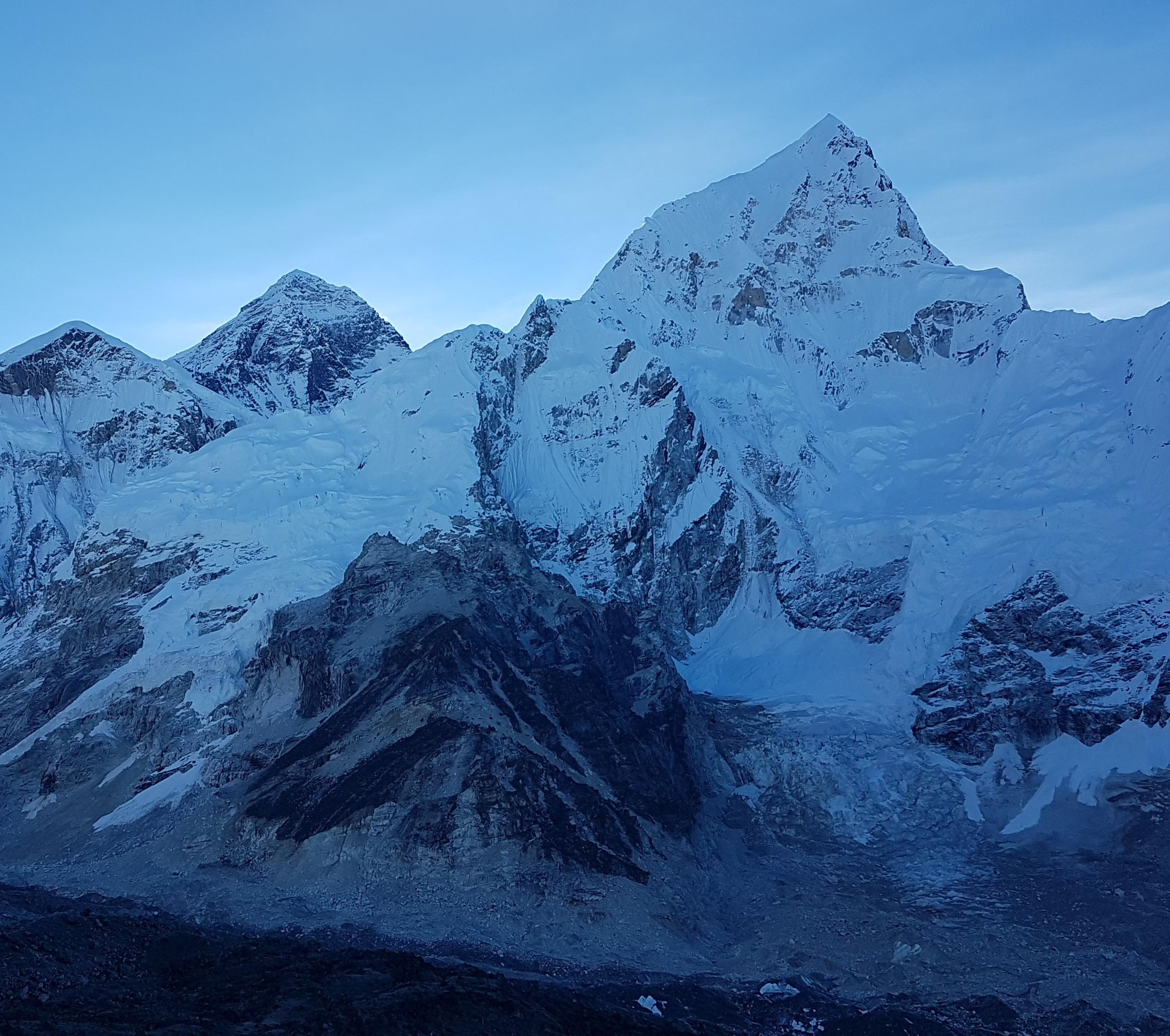
- Views from here stretch in a southerly direction to Mount Everest, Lhotse and Makalu, and even Cho Oyu.
- Behold Namche Bazaar, the pride and joy of the Sherpas and in full swing fashioned by the huge influx of trekkers.
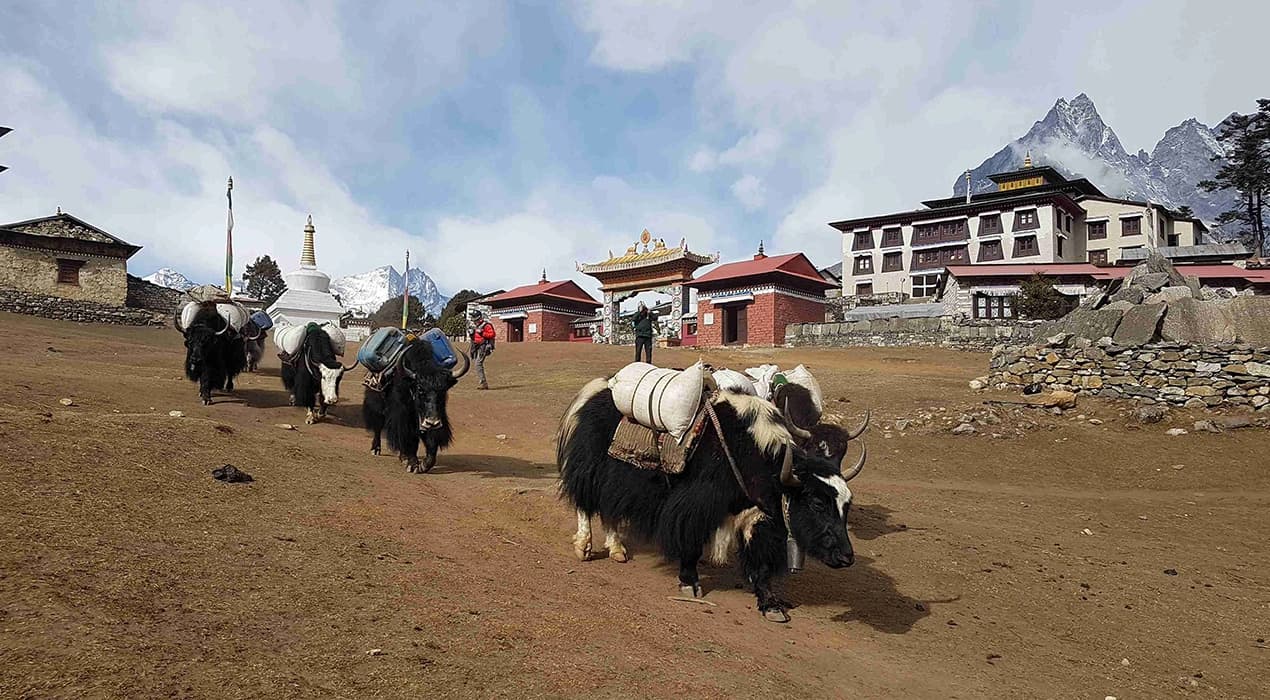
- Visit the famous Tengboche Monastery, a peaceful spiritual haven
- Walk through beautiful forests, alpine meadows, and picturesque Sherpa towns
- Encounter Sherpa culture and hospitality
- Access famous viewpoints: Kala Patthar and the Everest View Hotel
- Explore Sagarmatha National Park, a UNESCO World Heritage Site
- Moderate trekking difficulty, fit for budding as well as seasoned trekkers
Everest Panoramic View Trek
- 8 days
- |
- Intermediate


- DestinationTrekking in Everest
- Group TypeBest Price
- Activities Guided Trekking
- Accommodation Guest House
- Max. Elevation3860m.
- Group SizeMin. 1 Pax
- Vehicle Domestic Flight
- MealsBLD
Everest Panoramic View Trek Highlights
8 days Everest Panoramic View Trek Overview
Lots of people have dream of exploring Sherpa villages and an abode of the world’s tallest mountain Mt. Everest. Dreaming is one thing but realizing the dream requires lots of luck, hard work, and dedication. On the pursuit to reach the Everest Base Camp, trekkers have to undergo trekking beyond 3500 m and allocate about two weeks of holidays. Therefore, it is not suitable for many people. Nepal Trekking Rangers believe that no one should be barred from fulfilling their dream. Come and join us! We offer you the best low – altitude Everest Panoramic View Trek.
Without the risk of the altitude sickness and in less number of days, enjoy the majestic scenery of Everest Himalayan range including more than a dozen mountains of the Mahalangur Himalayas. Our trekking itinerary of the Everest Panoramic View Trek is for all age groups. Quench your thirst to leave your footprints in an abode of Mt. Everest and immerse into the culture of Sherpa people. Book the Everest Panoramic View Trek which is also famously known as the Everest View Trek. At just 1200 to 1300 $ per person, we guarantee you risk free yet scenic Himalayan adventure into the heartland of Sherpa people.
Safety is the biggest concern for all. Therefore, people are in search for an alternative trekking routes where they can relish Himalayan experiences without any risks of altitude sickness. In Nepal, there are few such trekking routes where you get to enjoy such trekking experiences like the Everest View Trek. They are Langtang Valley Trek, Ghorepani Poon Hill Trek, Chisapani Nagarkot Trek, and Pikey Peak Trek.
Hiking Around Khumjung Namche Nepal
Everest region of Nepal is the ultimate trekking destination. In addition, the region is also the ultimate climbing destination as it is the home of the world’s tallest mountain Mt. Everest and the world’s 4th tallest mountain Mt. Lhotse. Therefore, increased interests about visiting and exploring the place are not surprising. The region is iconic because of the presence of the various Sherpa villages besides Mt. Everest. If you are looking to explore the Sherpa villages then the Everest Panoramic View Trek is an ideal choice. There are countless hiking routes around Khumjung Namche Nepal on the outskirts of the Everest Trekking route.
Major hiking routes around Khumjung Namche Nepal are Everest View Trek Hike from Namche, Khunde – Khumjung Village Hike, Tengboche Monastery Trek, Namche Thame Village Hike, Kwangde Base Camp Hike, etc. These are less risky hiking routes present around Khumjung Namche Nepal. Interestingly, our travel planners have included the Khumjung Village Hike and Hike to Everest View Hotel in the trekking package of the Everest Panoramic View Trek.
Altitude Risk Free Trek in Everest
The biggest hurdle of the successful Everest trekking in Nepal is the risk of altitude sickness. Therefore, lots of trekkers choose not to do trekking in Everest region. You don’t need to take worries anymore! The Nepal Trekking Rangers has knitted the practical, scientific, scenic, short, and momentous short trekking trip. The itinerary of the Everest View Trek is designed in such a way that trekkers get immense opportunities to immerse into the culture and traditions of Sherpa culture. In doing so, they can also relish the spectacular close range scenery of more than a dozen mountains.
Everest Panoramic View Trek Itinerary
The Everest Panoramic View Trek Itinerary is the refined version of first phase of the Everest Base Camp Trek. Similarly, you can also say that the trek itinerary is the first phase of the EBC Chola Pass Trek and Everest Three High Passes Trek too. Almost all the trekking trips in the Everest region of Nepal has 1st acclimatization activity in Namche Bazaar. Yes, the travel planners of the Nepal Trekking Rangers smartly planned this activity as the potential low – altitude trekking in the Everest region of Nepal.
Everest View Hotel (3880 m): World's highest situated luxury hotel
There are total 12 rooms in the Everest View Hotel. All these rooms are designed in such a way that travelers can get the mesmerizing scenery of Mt. Everest and surrounding mountains spectacularly from the room. The cost of staying in the Everest View Hotel ranges from 320 $ per person per night to 550 $ per person per night on twin sharing basis. It takes about 2 to 2.5 hours to reach the hotel from Namche Bazaar. The trail to the hotel is via Shyangboche Airport which is one of the highest situated airports of the world.
The scenery of mountains like Everest, Lhotse, Nuptse, Tabuche, Amadablam, Thamserku, Kwangde, etc. from the balcony of the hotel is unmatched. It is truly blissful.
Khumjung Village and Monastery
The itinerary of the Everest View Trek (Panoramic View Trek) includes the exploration of iconic Sherpa village the Khumjung Village. Do you know that the Khumjung Village is the dearest village of Sir Edmund Hillary? Yes, in the autobiography of Sir Edmund Hillary, he has mentioned the beauty and significance of the village. There is a monastery in the village where trekkers can observe the scalp of mythical Yeti creature. The village is an ideal place to immerse into Sherpa culture and traditions. You get amazing opportunity to understand more about intrepid Sherpa people in their own backyard. Please note that Khumjung, Thame, and Khunde are three major densely populated Sherpa Villages of the region.
Can I do Everest View Trek in all season?
Yes, it is possible to do the Everest View Trek in Nepal throughout the year. The biggest concern is the Lukla flight. During winter and monsoon season, the chances of Lukla Flights cancellations are very high. It may hamper your traveling plan but if you plan meticulously then the Everest Panoramic View Trek is possible to do throughout the year. Normally, the Everest region trekking in Nepal is best when you do trek during the spring (March – May) and autumn (September – November) season.
What is Everest Breakfast Helicopter Tour?
There is a tour package which is similar to the Everest Panoramic Trek but doesn’t include trekking activity. It is the sumptuous package of the Everest Breakfast Helicopter Tour. This package is included in the overview of the Everest Panoramic View Trek because the essence and theme is the same. In the Everest Breakfast Helicopter Tour, you get chance to observe the Everest region of Nepal including Everest Base Camp from aerial view. In addition, travelers also get chance to enjoy breakfast at the Everest View Hotel. So, if you are looking for a package which is short yet provides best Everest moments; book the Everest Panoramic View Trek with an experienced team of the Nepal Trekking Rangers.
Everest Panoramic View Trek Itinerary
Once you arrive in Kathmandu, a representative from Nepal Trekking Rangers will reach you and escort you to your hotel. The rest of today is for you to relax after your flight.
Depending on your arrival time, you will visit Kathmandu's vibrant city or rest till the adventure. A briefing in the evening will include an overview of the trek: a daily itinerary, a gear check, and travel tips.
If the provided schedule isn't suitable for you, we are able to create personalized travel arrangements according to your preferences and requirements.
Choose Your Package
(Guide. Porter. Permits. Transportation. Accommodation)
Cost Includes
Transportation
International/Domestic Airport pick up and drop with Private Vehicle with A/C as per Group Size
Domestic Round-Trip Flights (KTM-LKL-KTM) OR (RAMECHHAP-LKL-RAMECHHAP)
Drop and pick up from and to Ramechhap by private vehicle as per group size If Flights schedule via Ramechhap
Accommodation
2 Nights Accommodation at Tourist Standard Hotel or Boutique in KTM with Breakfast
5 Nights Accommodation along the trek (Basic and normal accommodation in Guest Houses or Tea Houses and Attached bathroom in Lukla/Phakding/Namche-3 Nights)
Food/Drink/Snacks
Not Included
Permits and Expenses
Sagarmatha National Park Entry Permit
Pasang Lhamu Rural Municipality Permit
All Local Government Taxes and Official expenses
Guide and Porter
Government Register Licensed holder Guide with fluently speaking English Language
An Assistant guide each 7 Trekkers
A porter for each 2 clients (20 KGs limit weights for a Porter)
Covers their (guide and porter) wages, meals, hot drinks, accommodation, transportation, insurance and necessary trekking gears)
Souvenir or Complimentary
Nepal Trekking Rangers Company’s T-shirt/Cap/Buff
Trekking Route Pocket Map
Benefits
NTR’s Duffel Bag each client (return basis)
Sleeping Bag and Dawn Jacket (return basis) If you require
Cost Excludes
International Flights Fare
Nepal Entry Fees (15D-$30, 30D-$50 and 90D-$125)
Accommodation
If you stay more than 2 nights in Kathmandu
Extra Nights even you return early with any Reasons such as AMS, Illness and any reasons of clients
Food and Drink
All Food and Drink (Breakfast Included)
Tips
Guides and Porters as gratitude
Travel Insurance and Expenses
Travel Insurance covers emergency High Altitude Rescue/Evacuation (upto 6000m)
Personal Transportation of ground and Air both
All soft and hard drinks, All hot drinks in pot size or above 4 cups a day, Snacks, extra Chocolate bar
Sanitary material such as wet wipe tissues/toilet paper
Hot Shower/hot or boiled water, Wifi, Battery Charge
Hot bag during the nights
Shopping/Souvenir for family and friends
All the extra things/expenses which has not included in the list
Dates & Prices
Your private Everest Panoramic View Trek begins from and ends in , covering 8 days of adventure.
We organize exclusive trip for two or more, ensuring a personal and flexible experience.
Private Group Deals
| 1 Person | US$ 1270 |
| 2 - 6 Person | US$ 935 |
| 7 - 14 Person | US$ 910 |
| 15 - 30 Person | US$ 870 |
Know Before You Go
Scenic Views from The Everest Panoramic View Trek
With short explanations for each in bullet points, here are the views along the trek Everest Panoramic View:
Mount Everest (8,848.86m)
Mount Everest, the focus of this trek, is seen from an array of vantage points, including Kala Patthar or Everest View Hotel: dramatic when standing under the first light of dawn, transformed by golden sunlight over the snow-flushed peak.
Khumbu Icefall
Scattered ice formations and crevasses dominate spectacular views of a great glacier at the base of Everest. This active area of the trek offers one of the best picture shows in the district.
Tengboche Monastery and Mt. Ama Dablam
Tengboche Monastery boasts amazing views of Ama Dablam, which has taken another name, "The Matterhorn of the Himalayas". The monastery would occupy the ridge and provide a fertile, quiet embrace among great mountains and sprawling valleys.
Namche Bazar: Gateway to Everest
Oh, how lovely would it be to see the view from Namche Bazar open up into the distance, a view with the famous peaks of Everest, Lhotse, and Taakserpo once more looming in view of the Khumbu Range. Namche is there, in the mountains, full of a showy spirit.
Everest View Hotel
At a height of 3,880 meters, the Everest View Hotel provides a magnificent perspective on Everest, Lhotse, Makalu, Cho Oyu, and Ama Dablam. It is the ideal place for photographing the grandeur that this region has to offer.
The Valley of Phortse and Dingboche
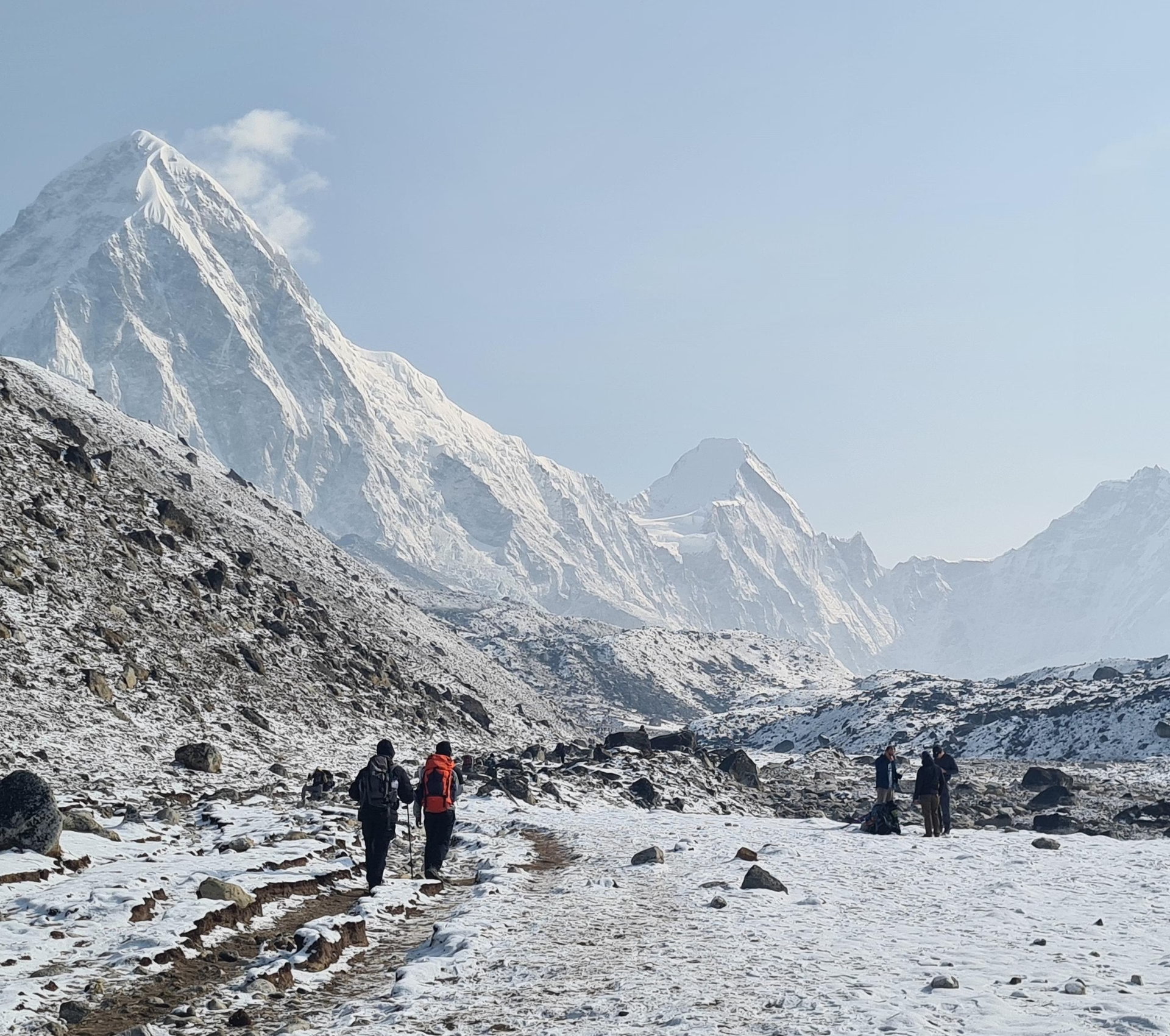
The valleys of Phortse and Dingboche rest between the high cliffs of Pumori and Makalu. The peaceful valley ambiance combined with the stunning views of the surrounding mountains makes this a fitting memory of the trek.
Sagarmatha National Park
UNESCO World Heritage Site, where the lush pastures turned to rhododendron woods are alpine meadows. It is around the region of the Great View site, whose flora and fauna are enhanced by great heights such as Everest, Lhotse, and other peaks.
Raise at kala patthar
Sunlight breaks over Kala Patthar (5,550 m) and composes one of the more ravishing sights along the trek. Then, the peaks of Everest and Lhotse, surrounded by other invited breaches, become enchanted and magically colored at the first light of dawn.
Sherpa Villages and Terraced Fields
This is what one sees on the trek: such traditional Sherpa villages like Phakding and Namche Bazaar, where terraced fields and prayer flags complete these dream pictures against the mountains lining the view with snow in their caps.
Rhododendron Forests
This lower altitude trail swims through the vibrantly colored rhododendron forests, and particularly in the spring, the trees bloom in shades of two bright reds, pinks, and whites. These riches starkly contrast with the snowy peaks above.
Lhotse and Nuptse
The topmost towering Everest-neighboring peaks, Lhotse and Nuptse, offer panoramas that can be obtained from spots such as Tengboche and Pheriche, the dramatic ridgelines, that define their enormous masses, create majesty on the trek.
Difficulty Level of Trek
Explore Altitudes
The route rises and falls high above sea level, such as reaching places like Tengboche (3.867 m), where it may be possible for trekkers to develop altitude sickness. Acclimatization at Namche Bazaar and Dingboche becomes the most important, with a slow ascent to prevent high altitude sickness typical of trekker-related ordeals.
Rugged Ways
This trail is rocky and uneven and there are steep ascents and descents which fairly represent the moderate challenge of the setting. The path is marked, but the rough, slippery terrain sometimes requires guidance, particularly with the incumbent monsoon.
Physical Fitness
Moderate fitness is required for the trek comprising daily trekking hours of 5 to 7. Not that it is as hard as Everest Base Camp, but trekkers ought to prepare for several days of sustained hard work, primarily high above in the altitudes.
Weather Conditions
Snow, rain, and strong winds at heightened altitudes are possible. The weather, therefore, poses a risk of being cold and unpredictable. One should bring the necessary warm clothing and plenty of layers to cope with these changing conditions and cold nights.
Duration of Trek
Normally, the trek covers a range of 8-12 days depending on pace, and the distance trekked is purely linear. For the greater portion, these would comprise continuous days of walking, particularly as conditioning is pertinent to finishing this hike comfortably.
Accommodation and Facilities
Accommodation is quite basic; it consists of everything from simple rooms in teahouses to shared bathrooms as well as very limited facilities. Expect cold nights and the very basic kinds of facilities, with electricity being very limited, especially at higher altitudes.
Mental Stronghold
A mental stronghold is involved in altitude trekking within a secluded and treacherous region. The long terrain of very sunny parts may be offered as long hours, with common living conditions, and discomforts due to altitude, all requiring mental resilience to remain in focus and well-motivated up to the trek completion.
Best Time to Trek
Spring (March-May) and fall (September-November) are the best seasons for trekking like the Everest Panoramic View Trek when clouds usually become thinned out and the weather in the vicinity is fair. Clear skies and stable temperatures make this period very much ideal with good visibility of multiple peaks of the Himalayas.
Here is a breakdown of the season:
Spring (March-May)
By every criterion, the spring season tends to be the infrequent time of trekking in the Everest Panoramic View Trek as it is already warm and relatively stable in weather conditions. During the daytime, Namche Bazaar, lying in the lower parts of this trekking path, can expect temperatures to range between 10-15 degrees Celsius, whereas the high reaches of Kala Patthar are colder usually. In general, no clouds are obscuring the skies, providing an extremely fine view of the almost-absolute sung landscapes of the Himalayas Peaks, Everest, Ama Dablam, and Lhotse. Rhododendron forests are alive with blooming colors. This is the other peak along with autumn and teeming with trekkers' trails and teahouses. The weather and the dolly scenery call out spring as the best time for hiking.
Autumn (September to November)
Besides spring, Autumn is another incredible season for trekking on Everest. A generally predictable mellow state of the atmosphere, quite clear skies, and mild temperatures similar to spring can be experienced. Pleasant lower elevations can be found at 10-15 degrees Celsius during daytime and cooler at high altitudes. This season offers some super great visibility with the tallest peaks in the Everest region: Mount Everest, Lhotse, and Makalu. The trails are pretty busy, but not too crowded to meet his grade level kind of busy, so it's a perfect blend of social and solitude. Though the bright colors of rhododendron flowers were absent, splendid autumn scenes made this beautiful, coupled with favorable trekking conditions this season for most trekkers.
Winter (December to February)
Winter in the Everest region is very harsh; this is not a trek for those looking for a lower-grooming trekking experience. Temperatures may drop, often reaching -10C or less above high altitude levels at places such as Kala Patthar. Snow and icy conditions are common; hence, the trails become slippery and cumbersome. With shorter daylight and sharp cold, trekking in winter becomes extra difficult, not forgetting the unpredictable weather that even sometimes has snowstorms in the winter. Downsides: Very much less crowded, but solitude makes a person need a lot of preparation for it; hence, the best trek in winter would suit only experienced trekkers looking for a loner yet tough adventure.
Monsoon (June to August)
The monsoon creates havoc in Nepal and drenches the country under the heaviest rains, and yes, in the Everest region, the downpour is at its best, making it the least favorable trekking time. Muddy, slippery paths with an invitation to landslides were made even harder and unsafe to tread by these factors. Moreover, with the rain falling continuously, visibility is hampered, hindering the glorious sights one could have had of the mountains, including the mighty Mount Everest and its peaks. Teahouses are also fewer and frequently closed, and there are fewer trekkers on the trail, making accommodation hard to find. While less frequently trekked by other tourists means it is more solitary, it is still not recommended for trekking during the monsoon season because of the soggy conditions and erratic weather.
Food and Accommodation in the Everest Panoramic View Trek
Food in the Everest Panoramic View Trek
An important aspect of the Everest Panoramic View Trek is the provision of food. For the most part, meals are taken in local teahouses that line the trail. The meals are not elaborate but are certainly wholesome, providing the necessary energy for trekkers in their daily walks. Breakfasts offer a choice of pancakes, porridge, eggs, and toast, with tea or coffee often included; as the altitude increases, however, there is nothing quite like a warm porridge or a piping hot drink to wake one up on a cold morning. These would be followed by bigger meals of things like dal bhat (rice with lentil soup), chowmein, fried rice, and vegetable soup for lunch and dinner. Carbohydrates and proteins are a must for energy and are the primary constituents of meals on the higher climbs, which do not offer much variety.
On a higher terrace, there remains less choice, but the teahouses try to keep the basic ones in stock. Some teahouses offer chocolate bars, biscuits, and fruits as well as herbal tea for combating altitude sickness. Food does not encounter an 'unhealthy' reputation but lacks richer filling at higher hikes.
Accommodations in the Everest Panoramic View Trek
Accommodations are basic teahouses or lodges, which in turn offer basic services before providing services to tourists for the Everest view panoramic trek. Simple family-run guesthouses, with these rooms featuring mostly shared twin beds with basic blankets. However, a few teahouses can rent out extra sleeping bags for a minimal fee, but travelers are encouraged to carry their own from home. Bathrooms are shared, and their appearances are limited at the higher altitudes. One is expected to find a squat toilet rather than Western-style toilets, while hot water may be available, but is usually limited.
It is a fact that the higher one ascends, the more basic the accommodation becomes: smaller rooms and reduced numbers of amenities. Heating is usually made in common areas by either wood stoves or kerosene heaters to prevent the cold from entering the room. Be prepared for colder rooms and more rudimentary facilities at the higher teahouses.
Permits for Trek
Sagarmatha National Park Permit
You will require a Sagarmatha National Park Permit to trek on the Everest trails to access a UNESCO World Heritage-listed park. This permit is obtainable from Kathmandu or Monjo and costs about NPR 3,000 (approximately USD 30). It is valid only for the trek and is presented at checkpoints.
TIMS (Trekkers’ Information Management System) Card
The TIMS Card tracking trekkers for safety is a card issued by the Nepal Tourism Board. It is not always necessary for the Everest Panoramic View Trek, but it's suggested nevertheless. The TIMS Card costs some NPR 2,000 (approximately USD 20) and is valid for the entire trek. It can be procured from Kathmandu or through a trekking agency.
Khumbu Pasang Lhamu Rural Municipality Permit
Khumbu Pasang Lhamu Rural Municipality Permit is a trekking requirement for the Khumbu area. The proceeds will be used for development and conservation purposes at the local level. The Khumbu Pasang Lhamu Rural Municipality Permit can be obtained in Namche Bazaar at an approximate cost of NPR 2,000 or USD 20 for the entire duration of your stay in the region.
Consideration About Permit
Trekkers must, therefore, have all their permits, either obtained from trekking companies or respective areas. Such permits can always be identified through checks along the way. Solo trekkers may have to take a guide to acquire permits.
Packing Tips for Everest Trek
Packing the right gear is very essential for a safe and comfortable Everest Panoramic View Trek. Weather can change in minutes, and it is tough and high-altitude terrain. Here's a breakdown of the most essential items to take along with several tips:
Clothing Layers:
- Base Layers
- Mid Layers
- Outer Layers
- Extra Layers
Footwear:
- Hiking Boots
- Trekking Socks
- Camp Shoes
Sleeping Bag and Sleeping Gear:
- Sleeping Bag
- Sleeping Bag Liner
Backpack and Daypack:
- Main Backpack
- Daypack
Water Bottle and Water Purification:
- Water Bottle
- Water Purification
Personal Hygiene and First Aid Kit:
- Hygiene Items
- First Aid Kit
Sun Protection:
- Sunglasses
- Hat
- Sunscreen
Snacks and Energy Foods:
- Energy Bars, Nuts, Dried Fruits, and Chocolate for quick energy.
Headlamp and Batteries:
- Headlamp
- Extra Batteries
Trekking Poles:
- Adjustable Trekking Poles
Travel Documents and Permits:
- Passport, Permits (Sagarmatha National Park, TIMS card), Insurance Details.
- Photocopies of documents for backup.
Camera and Electronics:
- Camera/Smartphone
- Portable Power Bank
Miscellaneous Items:
- Trekking Guidebook
- Ziplock Bags
- Earplugs
Health and Safety
Acclimatization
Altitude acclimatization is a requisite before preventing high-altitude sickness. Trekking to very high places, stops should be taken at such points as Namche Bazaar and Dingboche, for example, to facilitate acclimatization. The high-climb-low-sleep practice will also help your body acclimate better to the altitude-influenced approach. Drinking water and taking life easy are also essential factors in coping with altitude problems.
Know the Symptoms of Acclimatization diseases.
Altitude sickness is the body's response to altitude for anyone who spends long hours up there. Nausea, headache, dizziness, or even fatigue can mean altitude sickness. If you have any symptoms, rest there and let your body adjust a little. If these symptoms become worse, seek medical assistance to descend to a lower altitude.
Hydration
It is an absolute necessity at high altitudes. Such air and physical work drains much of the water from the body faster than otherwise. A minimum of 3-4 liters of water should be consumed daily, everybody should drink water every time, and they should carry and refill their clean, reusable bottles, using methods such as purification tablets or filters to ensure that they have safe drinking water. Dehydrating substances such as caffeine or alcohol should also be avoided.
Nutrition and Energy
A balanced diet is really important to keep energy levels high through the trek. Carry high-energy snack types such as energy bars, nuts, and chocolate for quick energy supply. At the site, eat carbs and proteins, dal bhat, or pasta, which will carry you through your next trek. Avoid heavy meals that may strain you while at high altitudes.
First Aid and Medications
The first aid kit must be fully stocked for minor injuries and illnesses, e.g. band-aids, painkillers, blister treatments, etc. One should be advised to take along Diamox for altitude sickness (Doctor's permission necessary). Always find out from your health provider what medications or vaccinations you will need for your trip, at least a month before the trek.
Know Weather Conditions
Weather conditions vary rapidly in the Everest region; changes are seen according to altitude. Checking the temperature across one another may go from warm sun to cold, even on the same day. Hence, one should carry along several layers, including waterproof and windproof outerwear, and ensure that there is a warm insulated jacket. Weather forecasts are reviewed personally and often controversial about the conditions by the guides, just as preparedness is made for changes.
Safety On Trail
Always recommend trekking with a guide as the best initiative for a safe passage. The guide will keep you on the best route available and assist you to a good extent in emergencies. For added stability in steep or uneven ground, take trekking poles with you. Do not favor trekking on your own, and always stick to marked trails and avoid the general trails to risk being lost or injured.
Insurance
Travel insurance for a hike like this has to cover every aspect of higher altitude trekking, emergency evacuation, and medical expenses. Coverage should include treatment at medical facilities and helicopter evacuations for clear expenses and even the cancellation of trips designed for such travels. It will be better on your side if this is clarified within your policy concerning trekking above 3000 meters since most insurance excludes the risk.
Emergency Contact Numbers
Make sure that before your trek you learn about local emergency numbers, police, hospitals, and rescue services. Your guide should also have emergency contacts, and it pays to give your itinerary to someone back home. In the case of an emergency, this may be all the difference in saving one's life by having quick access to information and help.
Rest and Sleep
Rest does perform two functions. It recovers one's sufferings in the trek and also acclimatizes one to altitude. So have a good sleep, and that should keep you in good shape for the day and allow your body to adjust. Bring a warm sleeping bag, as temperatures drop quite a lot at night. The best time to spend a night at sleep will add value to your challenges and keep you in good health throughout your journey.
Local Experiences and Cultural Interaction
Witnessing the rich cultures, diverse cultures, and freakish hospitality of the local Sherpa communities in the Khumbu region is one of the finest things that this trek offers. You are likely to trek while moving through minuscule settlements and presumably enjoy one or two moments of confrontation with the natives to learn what makes this area so unique.
Here's a glimpse into the average local experiences that you are going to have:
Sherpa Culture
The Sherpas are native to and have been popularly known as great mountaineers. In this trek, you will visit Sherpa villages: Namche Bazaar, Khumjung, and Dingboche, which shows a glimpse into the Sherpa way of life. Mountains are heavily interlinked in their lives, spiritualism, and traditions could define them. Accordingly, either learn more about their customs/religion (strongly tied to Tibetan Buddhism) or just understand how they linked their lives with the Himalayas through encountering them.
Buddhist Monasteries and Temples
Trekking the way takes you across many Buddhist monasteries and temples, the greatest and most eminent being the Tengboche Monastery. These forms themselves are insightful places to paint for an outsider, to a small extent, the spiritual life of the Sherpas, who embrace Tibetan Buddhism. You might well see the local monks in meditation or prayer, and there is generally an opportunity to ask about the meanings of all such religious monuments, prayer flags, and stupas along the way. A most wonderful feeling of peace and meditation is given by the atmosphere paired up with the mountains.
The Local Food
Eating local food is part of the trekking adventure. Sherpa cuisine is a unique blend of Tibetan and Nepalese: dal bhat (lentil soup and rice), momo (dumplings), and tsampa (roasted barley flour). Also, you will enjoy the hot butter tea freshly served in every Sherpa house drink, from those that take away the chill and recharge. Partake in a meal at the local teahouses after long trekking days while enjoying the freshest in community immersion.
Traditional Villages and Handicrafts
While walking from small Sherpa towns, there is a chance to meet local artisans along the way. Indeed, these villages are very well known for handicrafts: woolen garment clothes, prayer wheels, and Tibetan-style jewelry. Most of them are made by the local women and sold to the trekking people as souvenirs. Nothing would bar you from asking how they made them or getting one for the local economy as they continue to bask in the village-born warmth and hospitality when you depart.
Festivals and Celebrations
Should you be trekking during a festival, whether Tihar (the Nepali festival of lights) or Lhosar (the New Year for Sherpas), there is a good chance that you will also be able to join in the feasts. Such a festival has been sufficient ground for the eruption of music and dance with rituals of tradition. Gatherings to celebrate with families and communities are mostly very important to Sherpas, and often they welcome trekkers to join them in the celebrations. Indeed, such events are rare gems for trekkers when cultural immersion becomes a part of the trekking adventure.
Sherpa Hospitality
Most of the time, they come in with this kind of hospitality-they welcome trekkers into their homes and give them lavish tea or a friendly talk. These would usually bring out a close-up view of their living. Further, this brings about an understanding of this mountain way by the Sherpa people, which indicates that they will have much better chances for survival under these harsh environments as well. It personalizes the whole experience.
Prayer Flags and Stupas
In this region of the country, much trekking will be involved in passing by many prayer flags and stupas that are scattered along different trails. These symbols of Tibetan Buddhism are inscribed with prayers for peace and prosperity. Locals tie colorful prayer flags around the trails and around monasteries to bestow good health and blessings. When shut against their peaks, with all fluttering flags makes thus, the trek receives a good prize, rendering it quite peaceful and spiritual.
Traveller Review
His quite nature, and taking care of things when and where required.
I spent over one month with Yuddha, his wife and team of assistants on treks and religious travel namely i) Annapurna , 5 days ii) Pokhara and Muktinath, 8 days and iii) Everest Base Camp and Three Passes, 19 days. I must say that my wife and I had wonderful time with Yuddha and his family. Yuddha is a true professional and goes out of way to make things happen. During my time there were several weather related events but Yuddha was able to find solutions for each adverse situation and allow us to continue our journey. He is flexible with timeline, providing facilities and help. My wife also stayed with his family while I was on trek. She thoroughly enjoyed the hospitality provided by his wife. 
Prakash B 20th Oct, 2026 Great holiday on the roof of the world
Yuddha the company owner has taken care of everything from domestic flights to car transfers, hotels etc. He has put together a very individual trip that has left nothing to be desired. Also the hike Anapourna Circuit was perfectly organized. I can only recommend this company to anyone who wants to travel to Nepal individually. 
Laura B 12th Aug, 2026 A Guide Who Truly Spreads Light
Yuddha is the best guide I have ever met. He is sensitive, very experienced, and always cheerful. He answered my questions with openness, honesty, and kindness. He paid close attention to our group’s needs, and I felt completely safe under his guidance. He booked wonderful accommodations for us and handled the meals very professionally as well. I hope I’ll get the chance to hike with him again — I really miss our conversations. 😊 
Ghyzsofi 12th Aug, 2026 Highly recommend
I had an amazing experience trekking in the Everest region with Nepal Trekking Rangers. What truly made this journey special was Yuddha. I first met him as a customer during the trek, and by the end of the trip, we had become friends.Yuddha was incredibly supportive, knowledgeable, and attentive throughout the experience. Even after the tour ended, he continued to check in and offer extra care and help, which really meant a lot. His information, guidance, and genuine concern made the whole trip smooth and memorable.He is a truly nice guy—down to earth, mellow, and easy to be around. You can tell he genuinely cares about his clients and his work. I highly recommend Nepal Trekking Rangers and especially Yuddha to anyone planning a trek in Nepal. I sincerely hope his business continues to grow strong—he deserves it. 
Tia 15th Oct, 2025