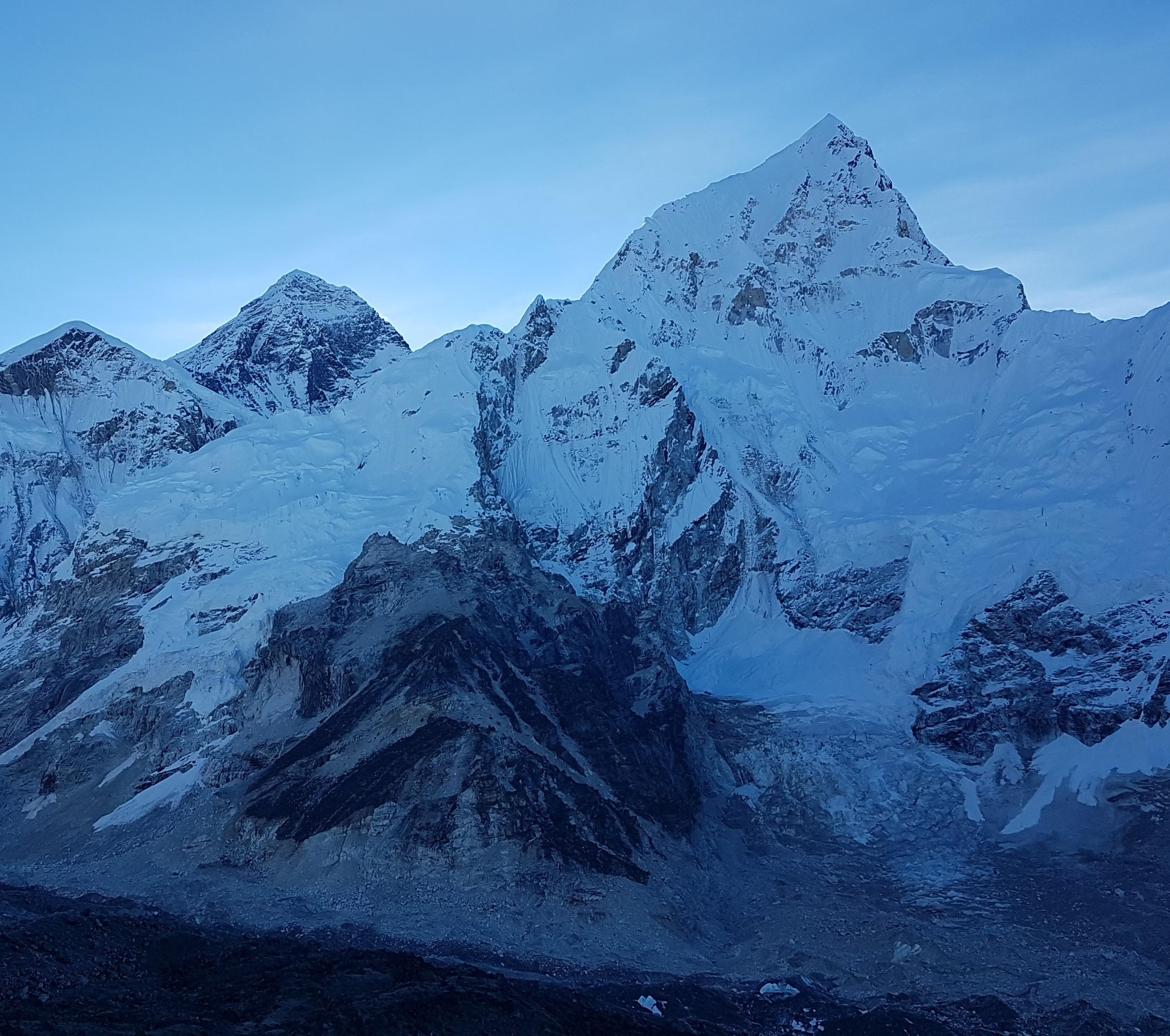
From A Distance, Mount Everest is Beautiful!: Gigantic close sights of Mount Everest, Lhotse, Makalu, Cho Oyu, and other summits.
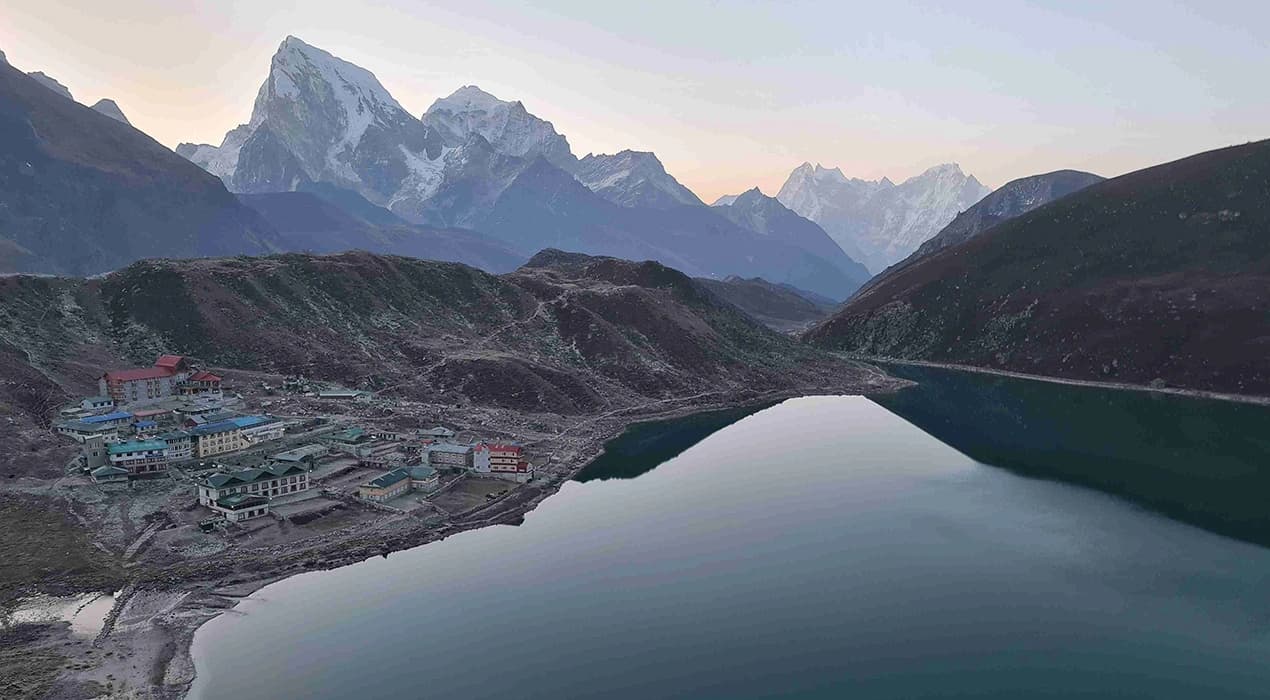
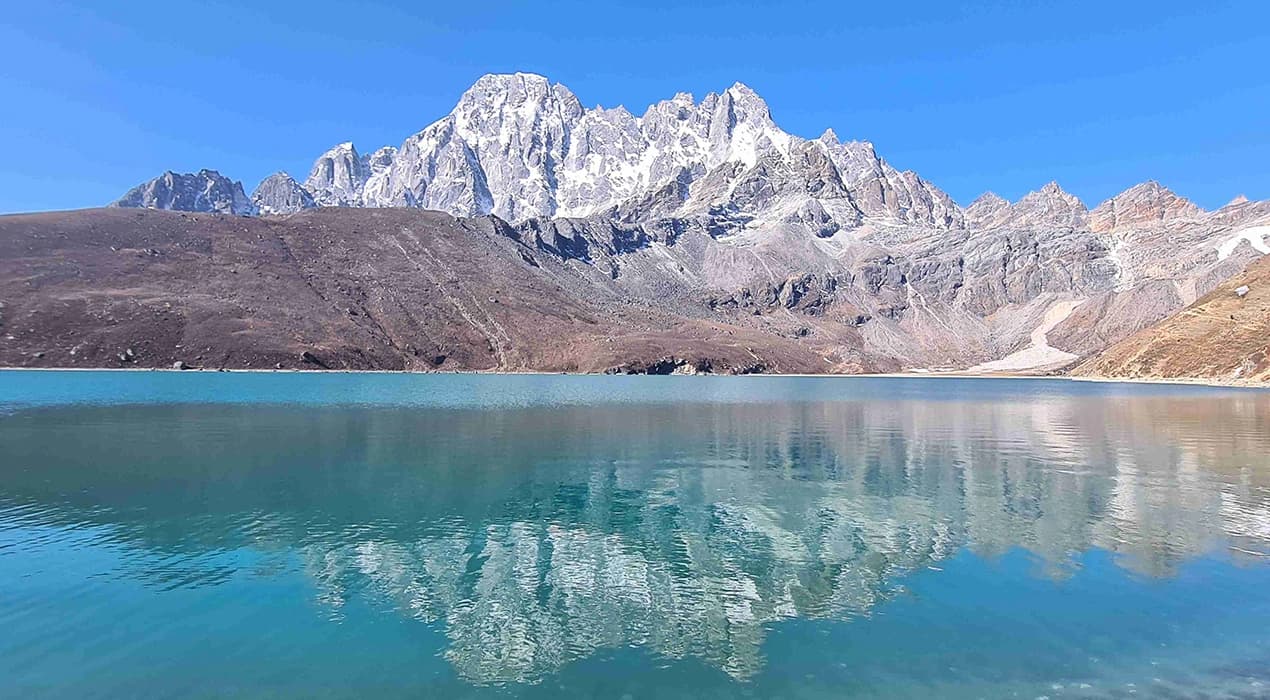
Gokyo Lakes: Site of the dazzling Gokyo Lakes, a sequence of turquoise crystalline lakes surrounded by mountains cloaked in snow.
Crossing Chola Pass: Chola Pass (5,360 m) will stir exuberance and thrill with a high-altitude adventure.
Sherpa Culture: Explore some original Sherpa villages and monasteries to learn about their life and culture.
Everest Base Camp: Stand under the highest mountain in the world and feel every pulse of being in a Himalayas heartland.
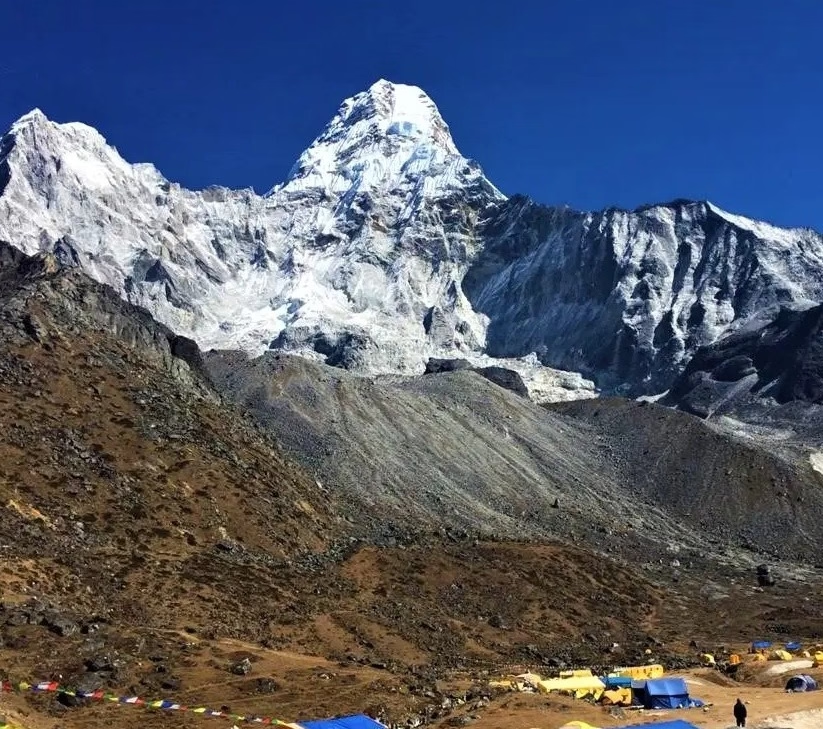
Fantastic Aerial Himalayan Sceneries: Trek in between lush forests, alpine meadows, and rocky terrains and pet each beauty of the Himalayas.
High Altitude Lakes: Trace the peaceful Gokyo Lakes located at the base of Cho Oyu through wonderful photography.
EBC and Gokyo Lake Trek via Chola Pass
5.0/0 reviews
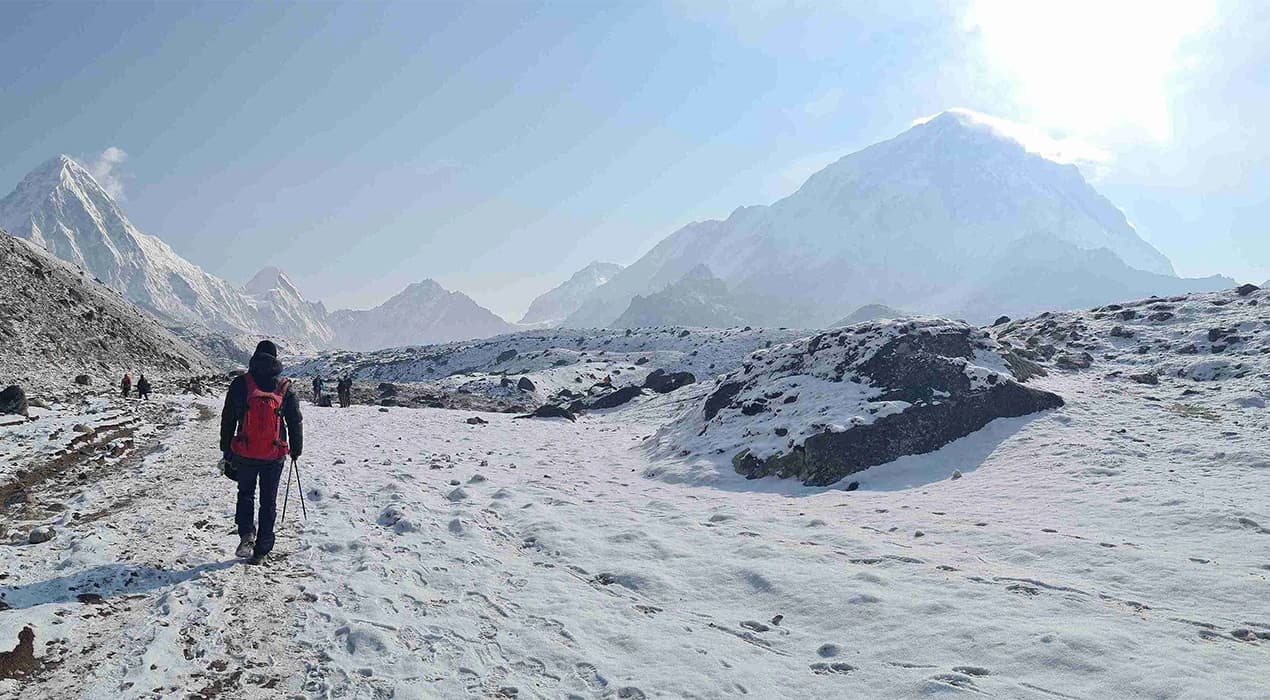
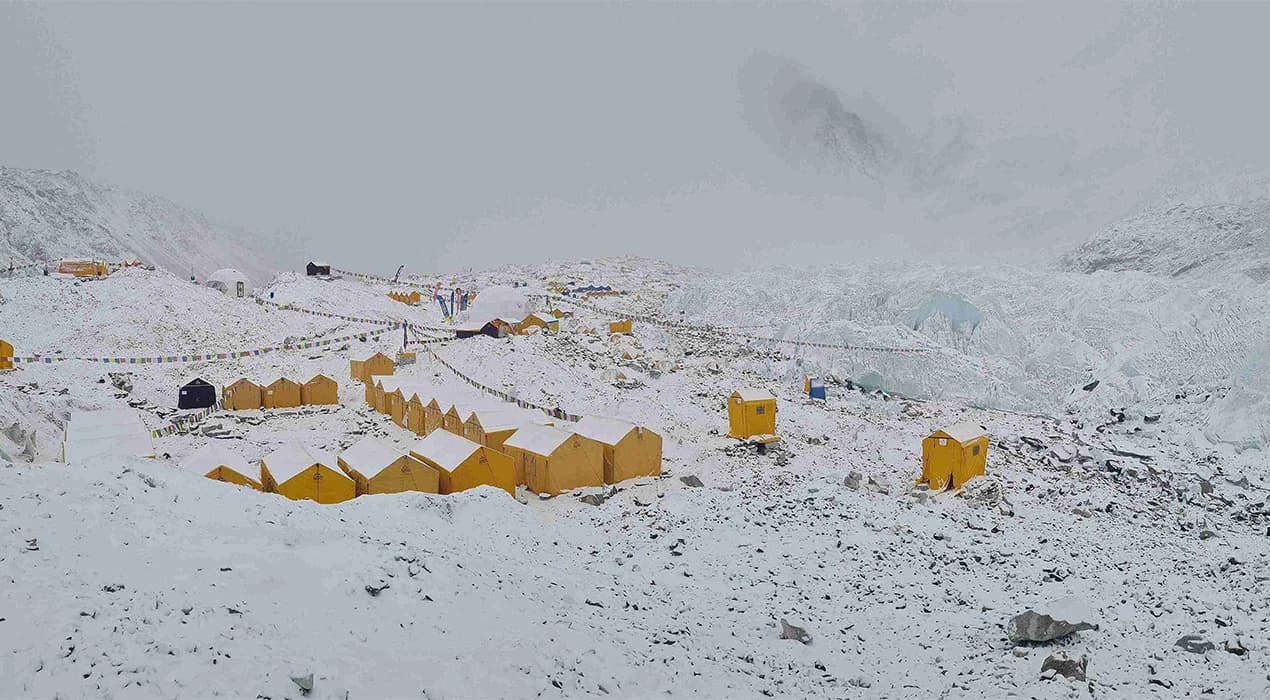
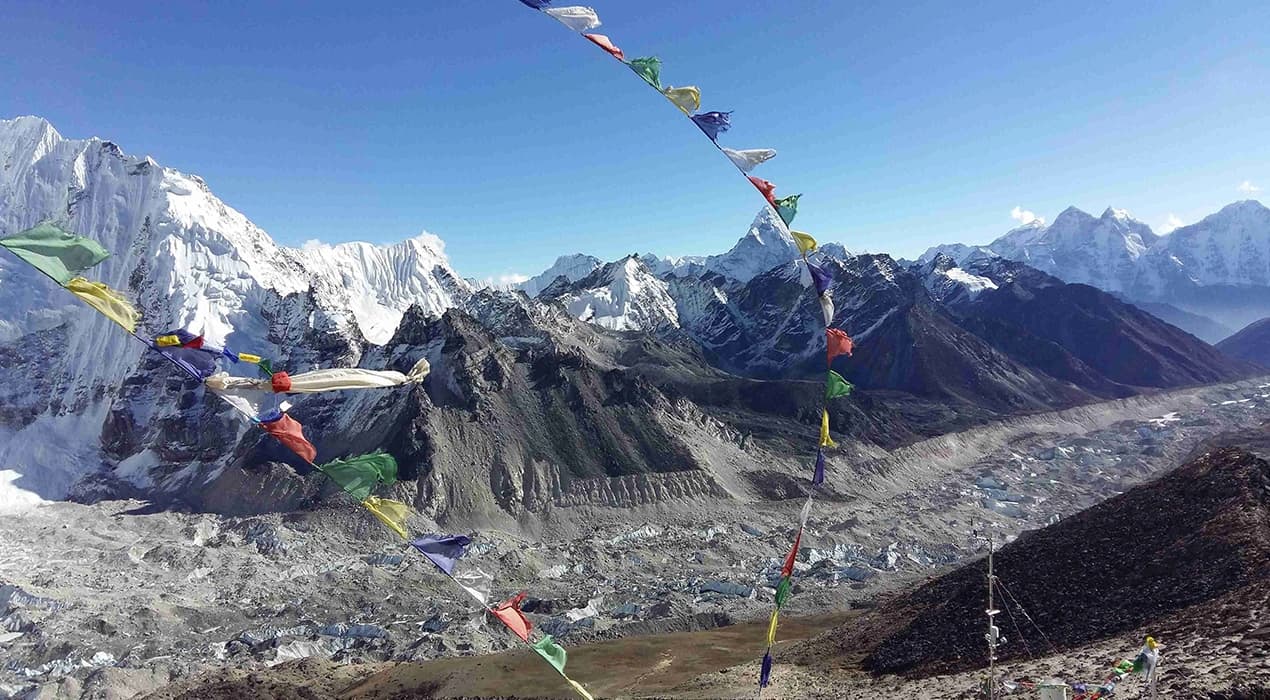


EBC and Gokyo Lake Trek via Chola Pass is the best Khumbu Circuit Trek to book for 2026/2027 trekking season in Nepal at best cost.
- DestinationTrekking in Everest
- Group TypeOn Sale!
- Activities Guided Trekking
- Accommodation Guest House
- Max. Elevation5420m.
- Group SizeMin. 1 Pax
- Vehicle Domestic Flight
- MealsBLD
EBC and Gokyo Lake Trek via Chola Pass Highlights
18 days EBC and Gokyo Lake Trek via Chola Pass Overview
The journey of the EBC and Gokyo Lake Trek via Chola Pass is an amazing combination of three iconic places of Khumbu Everest Region of Nepal. They are Gokyo Lake (4700 m), Chola Pass (5420 m), and Everest Base Camp (5364 m). All these three places are amalgamated in one single circuit trek itinerary expertly by the travel planners of Nepal Trekking Rangers. The trek is Nepal’s one of the most scenic and adventurous high – altitude treks. It offers breathtaking scenery of diverse landscapes, panoramic views of mountains, and Sherpa Culture.
Come and join our expert team of trekking guides who are from the region. Knit the authentic trekking experiences in an abode of the world’s superlative natural wonders. From the world’s highest situated National Park to the world’s tallest mountain; the Everest region is definitely the hottest trekking or tour destination at least once in a lifetime.
What makes EBC and Gokyo Lake Trek via Chola Pass unique?
The Everest Base Camp Route is the standard trail of the region. However, the addition of Chola Pass and Gokyo Valley make this even more epic and enticing. The trekking route is unique because of various reasons. Crossing the Chola Pass (5420 m) which is the glaciated pass between Gokyo Valley and Everest Base Camp Trek route is never ordinary. The pristine Gokyo Valley with fresh water alpine blue turquoise lakes adds aura to this trek. Likewise, the combination of two glaciers, Khumbu glacier and Ngozumpa Glacier in one single trekking trip is another highlight of the trail that makes it unique. In addition, the Kalapathar (5545 m) and Gokyo Ri (5357 m) hikes allow trekkers to enjoy the 360 degree view of mountains. All these are the natural landmarks and mountain highlights but the trail is equally rich for understanding the Sherpa culture.
There are many trekking trails in the Everest region that offers Himalayan wilderness adventure. Among all these trekking trips, the EBC and Gokyo Lake Trek via Chola Pass top it all. If you book the EBC Chola Pass Trek then it is likely that you accumulate the complete experiences of traveling to the major places of Upper Khumbu region of Nepal.
Best Time for EBC Chola Pass Trek
Some trekking routes of the Everest region are possible throughout the year. However, trekkers must plan for the high – altitude trekking trips meticulously. Trekking in unusual and worse season may dampen the overall trekking experiences. Therefore, always choose right time of the year to do trekking activities. Spring season (March to May) and autumn season (September to November) are ideal times to do the EBC Chola Pass Trek. Clear skies and stable weather conditions are the highlights of the autumn season including the festive celebrations. Blooming green lush forests, clear weather, warm temperature are the highlights of spring season in Nepal. Choose any of these trekking trips for mesmerizing walking holiday.
Required Physical Fitness and Difficulty Level
Immense physical fitness and stamina are required for smooth EBC and Gokyo Lake Trek via Chola Pass. The trail traverses to high – altitude places above 5000 m height. Therefore, trekkers must build up their cardio – vascular abilities to trek and breathe easily in the low oxygen density high – altitude places. Travellers have to walk for 6 to 7 hours a day in an average. Therefore, be active and do exercises like cycling, running, walking, hiking, and swimming at least one month prior to the trek regularly. A healthy and physically fit body can easily complete this trekking course.
Altitude Sickness and Acclimatization in Everest Trek
The biggest hurdle of the successful Everest Trekking in Nepal is the risk of altitude sickness. However, if you adopt the proper acclimatisation techniques and scientifically prepared itinerary then you can easily cope with the altitude sickness problem. The itinerary of the EBC and Gokyo Lake Trek via Chola Pass is knitted in such a way that you get enough time to recover from fatigue and you have at least 3 acclimatization activities. The first acclimatization activity includes the Everest View Hotel and Khumjung Village hike whereas second acclimatisation activity is the Nakartshang Hill Hike. Finally, third acclimatisation is at Gokyo Lake where trekkers trek to 4th and 5th lakes of the Gokyo Lake System.
Accommodation and Food on Trekking Route
The trekking trail is inside the Sagarmatha National Park in an abode of the world’s tallest mountain Mt. Everest. Despite its remoteness, trekkers can enjoy wide varieties of lodging and eateries throughout the trekking trail. In the commercial trekking route of the Everest Base Camp, trekkers can find luxury lodges to basic tea houses. Food menu is similar in almost every tea houses of the trekking route but price of menu items may vary according to altitude. Please note that the places like Dzongla and Thangnak may not have wide choices of tea houses and eateries.
What are the Permits required for Trekking in Everest?
Two permits are required for trekking Everest region of Nepal. The same applies to the journey of EBC and Gokyo Lake Trek via Chola Pass. Trekkers must obtain the Sagarmatha National Park (World heritage site) entry permit that costs NRs. 3000 to foreigners and NRs. 1500 to SAARC nationals. Another permit is the Pasang Lhamu Rural Municipality entry permit that costs NRs. 3000. Nepalese trekkers don’t need trekking permits but they must obtain the Sagarmatha National Park Entry ticket that costs NRs. 100 per person.
Can I trek independently without a guide?
There is no rule that bans solo or independent trekking in the trekking routes of the Everest region. However, we highly recommend all trekkers to hire a trekking guide and trek under the banner of Nepal Government Registered Trekking Agency. It ensures safety, proper navigation, and local insights on cultural contexts. In addition, guide can be helpful while crossing high passes and also during the times of emergencies. Therefore, always hire a guide and trek by buying trekking package from trekking agency.
EBC and Gokyo Lake Trek via Chola Pass Itinerary
A representative from your trekking agency, Nepal Trekking Rengers, will be waiting at the airport in Kathmandu to transfer you to your hotel. Then you will check into your hotel room and adjust to this new environment of Nepal. This day you can stretch and unwind after the flight before preparing for the trek and getting used to the surroundings.
If there is any time left besides this, you can roam around some local markets or temples found in the city, such as the All-famed Swayambhunath (the Monkey Temple) or Durbar Square. Overnight in Kathmandu.
If the provided schedule isn't suitable for you, we are able to create personalized travel arrangements according to your preferences and requirements.
Choose Your Package
US $1270per person
Best Price GuaranteeTaxes Included
(Guide. Porter. Permits. Transportation. Accommodation)
Cost Includes
Transportation
International/Domestic Airport pick up and drop with Private Vehicle with A/C as per Group Size
Domestic Round-Trip Flights (KTM-LKL-KTM) OR (RAMECHHAP-LKL-RAMECHHAP)
Drop and pick up from and to Ramechhap by private vehicle as per group size If Flights schedule via Ramechhap
Accommodation
2 Nights Accommodation at Tourist Hotel or Boutique in KTM with Breakfast
15 Nights Accommodation along the trek (Basic and normal accommodation in Guest Houses or Tea Houses and Attached bathroom in Lukla/Phakding/Namche-3 Nights)
Food/Drink/Snacks
Not Included
Permits and Expenses
Sagarmatha National Park Entry Permit
Pasang Lhamu Rural Municipality Permit
All Local Government Taxes and Official expenses
Guide and Porter
Government Register Licensed holder Guide with fluently speaking English Language
An Assistant guide each 7 Trekkers
A porter for each 2 clients (20 KGs limit weights for a Porter)
Covers their (guide and porter) wages, meals, hot drinks, accommodation, transportation, insurance and necessary trekking gears)
Souvenir or Complimentary
Nepal Trekking Rangers Company’s T-shirt/Cap/Buff
Trekking Route Pocket Map
Benefits
NTR’s Duffel Bag each client (return basis)
Sleeping Bag and Dawn Jacket (return basis) If you require
Cost Excludes
Entry Regulations and Visa
International Flights Fare
Nepal Entry Fees (15D-$30, 30D-$50 and 90D-$125)
Accommodation
If you stay more than 2 nights in Kathmandu
Extra Nights even you return early with any Reasons such as AMS, Illness and any reasons of clients
Food and Drink
All Food and Drink (Breakfast Included)
Tips
Guides and Porters as gratitude
Travel Insurance and Expenses
Travel Insurance covers emergency High Altitude Rescue/Evacuation (upto 6000m)
Personal Transportation of ground and Air both
All soft and hard drinks, All hot drinks in pot size or above 4 cups a day, Snacks, extra Chocolate bar
Sanitary material such as wet wipe tissues/toilet paper
Hot Shower/hot or boiled water, Wifi, Battery Charge
Hot bag during the nights
Shopping/Souvenir for family and friends
All the extra things/expenses which has not included in the list
Dates & Prices
Your private EBC and Gokyo Lake Trek via Chola Pass begins from and ends in , covering 18 days of adventure.
We organize exclusive trip for two or more, ensuring a personal and flexible experience.
Private Group Deals
| 1 Person | US$ 1780 |
| 2 - 6 Person | US$ 1330 |
| 7 - 14 Person | US$ 1310 |
| 15 - 30 Person | US$ 1270 |
Know Before You Go
FAQs
Traveller Review
 5.0 Rating out of 5 based on 1850 Reviews
His quite nature, and taking care of things when and where required.
I spent over one month with Yuddha, his wife and team of assistants on treks and religious travel namely i) Annapurna , 5 days ii) Pokhara and Muktinath, 8 days and iii) Everest Base Camp and Three Passes, 19 days. I must say that my wife and I had wonderful time with Yuddha and his family. Yuddha is a true professional and goes out of way to make things happen. During my time there were several weather related events but Yuddha was able to find solutions for each adverse situation and allow us to continue our journey. He is flexible with timeline, providing facilities and help. My wife also stayed with his family while I was on trek. She thoroughly enjoyed the hospitality provided by his wife. Great holiday on the roof of the world
Yuddha the company owner has taken care of everything from domestic flights to car transfers, hotels etc. He has put together a very individual trip that has left nothing to be desired. Also the hike Anapourna Circuit was perfectly organized. I can only recommend this company to anyone who wants to travel to Nepal individually. A Guide Who Truly Spreads Light
Yuddha is the best guide I have ever met. He is sensitive, very experienced, and always cheerful. He answered my questions with openness, honesty, and kindness. He paid close attention to our group’s needs, and I felt completely safe under his guidance. He booked wonderful accommodations for us and handled the meals very professionally as well. I hope I’ll get the chance to hike with him again — I really miss our conversations. 😊 
Ghyzsofi 12th Aug, 2026 Highly recommend
I had an amazing experience trekking in the Everest region with Nepal Trekking Rangers. What truly made this journey special was Yuddha. I first met him as a customer during the trek, and by the end of the trip, we had become friends.Yuddha was incredibly supportive, knowledgeable, and attentive throughout the experience. Even after the tour ended, he continued to check in and offer extra care and help, which really meant a lot. His information, guidance, and genuine concern made the whole trip smooth and memorable.He is a truly nice guy—down to earth, mellow, and easy to be around. You can tell he genuinely cares about his clients and his work. I highly recommend Nepal Trekking Rangers and especially Yuddha to anyone planning a trek in Nepal. I sincerely hope his business continues to grow strong—he deserves it.