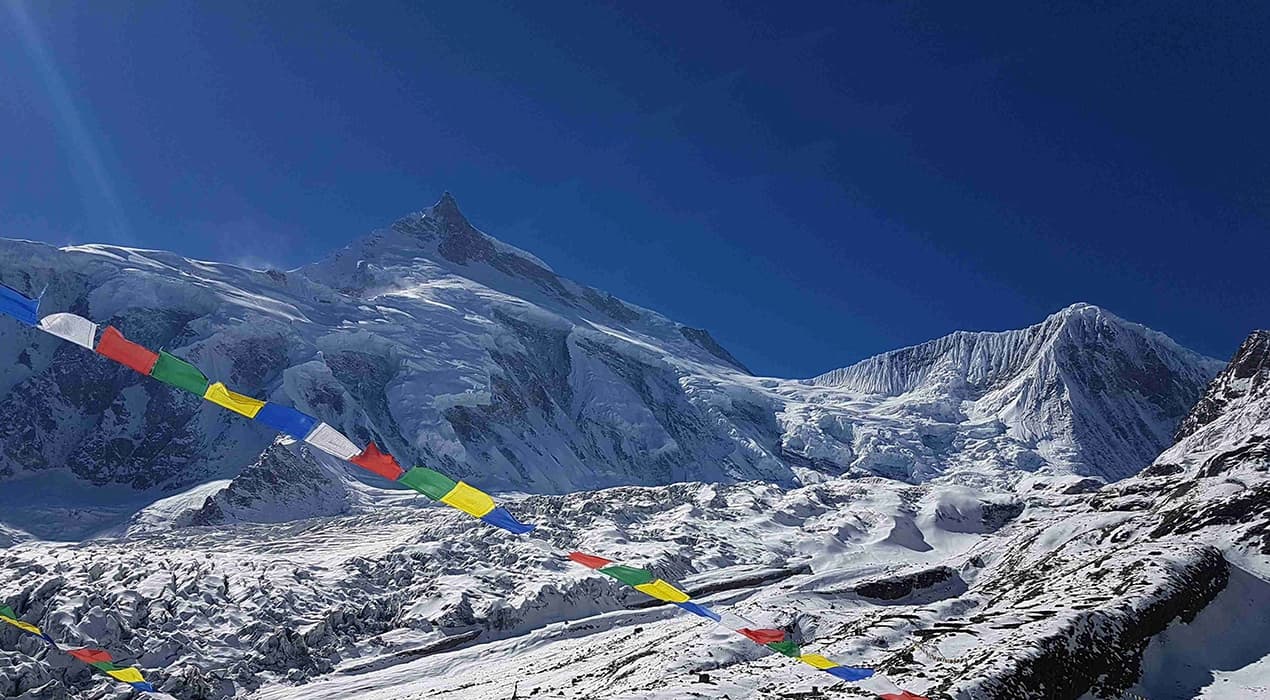
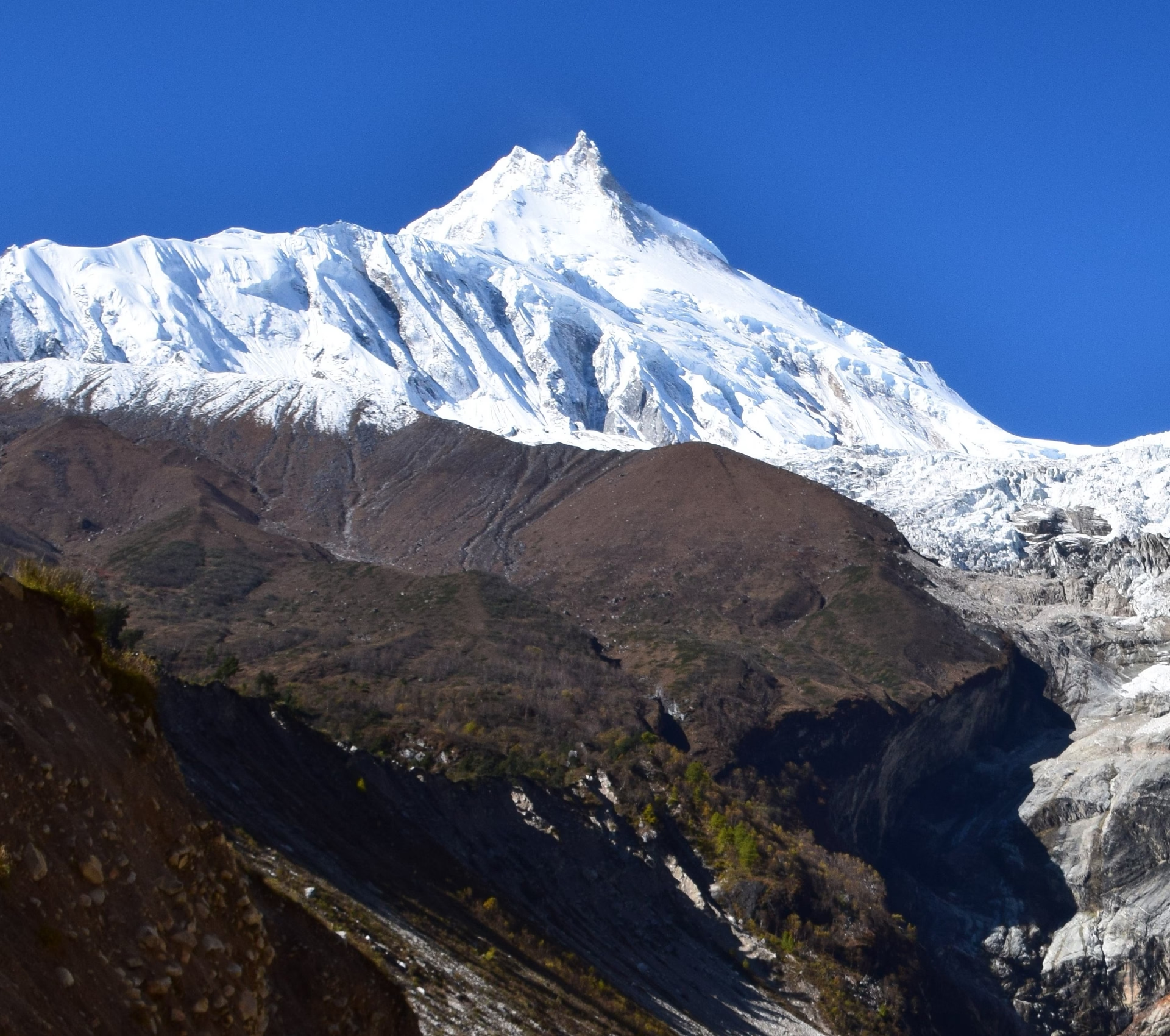
Breathtaking view of Mt. Manaslu and the adjacent peaks.
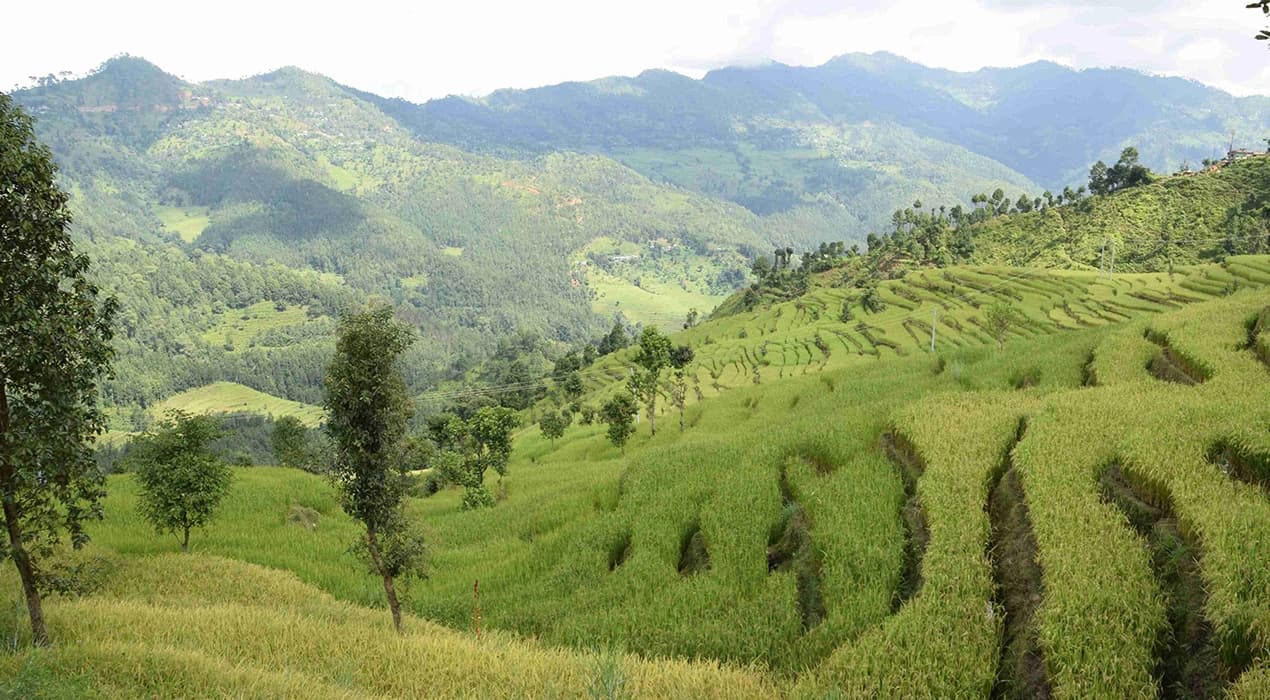
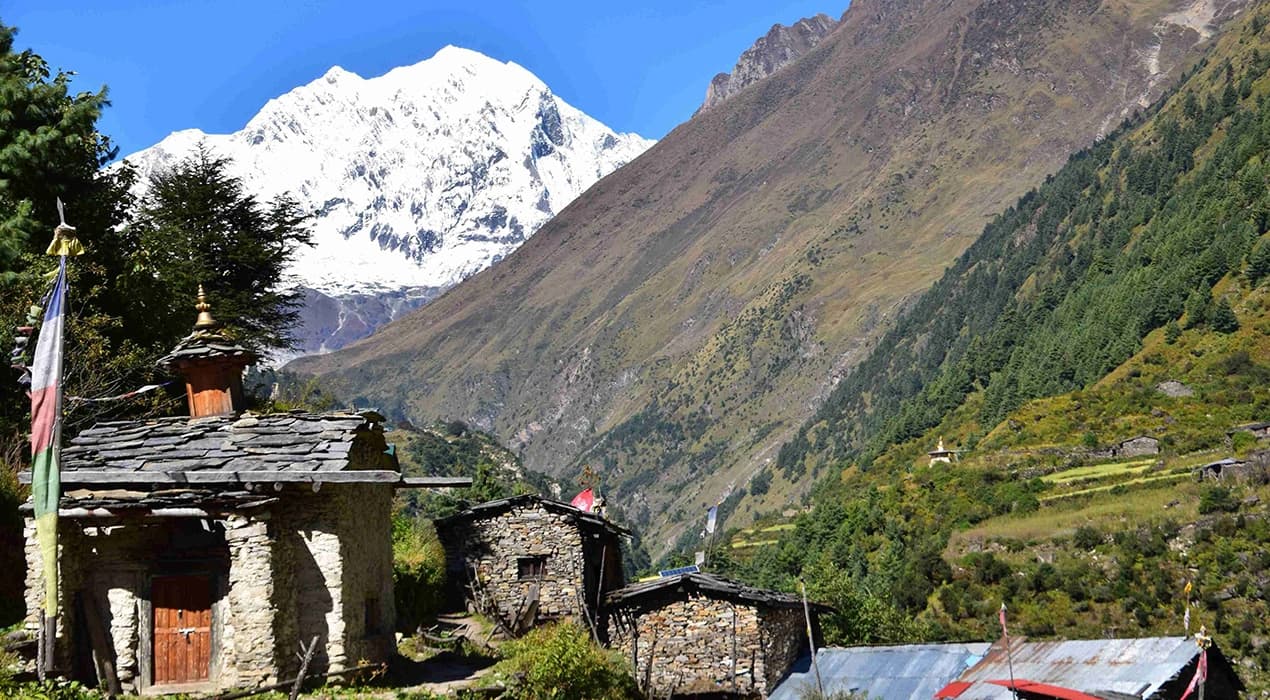
Explore the nature-given, culture-pristine Tsum Valley.
For safer and more pleasurable trekking, there are several acclimatization days in Sama Gaun and Samdo.
Walk through traditional Tibetan villages and ancient monasteries.
Crossing of the Larkya La pass (5,106 m), a trek highlight.
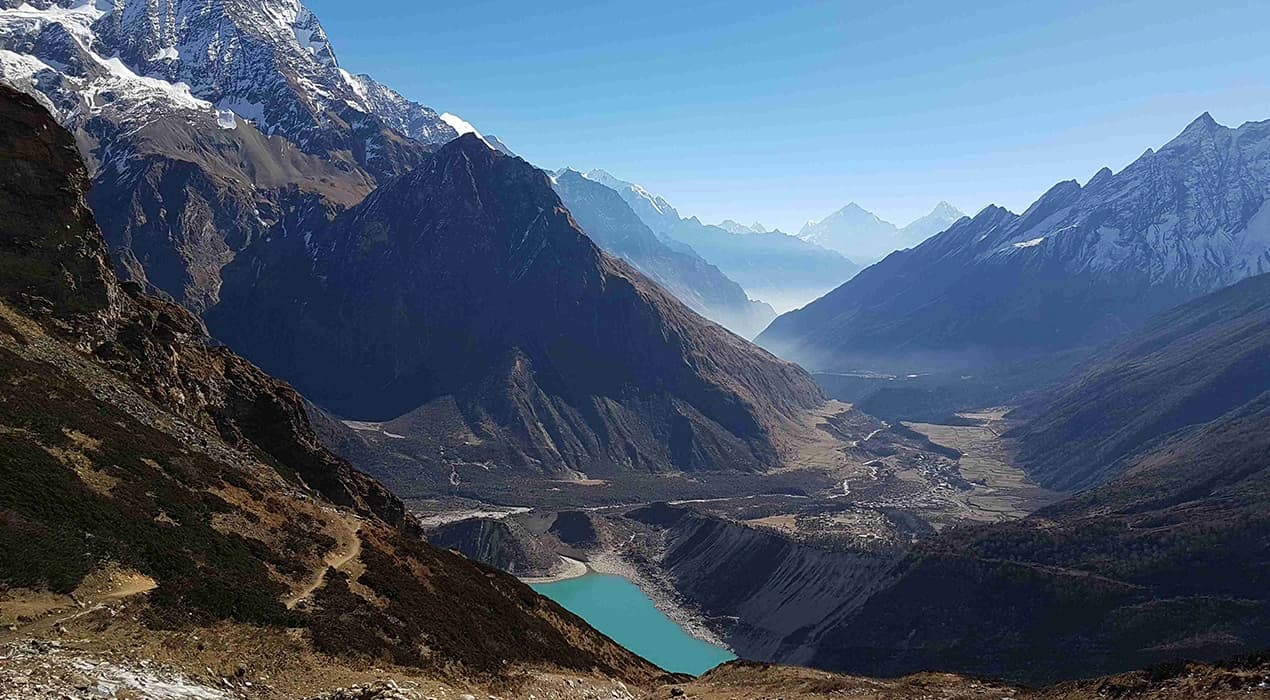
Birendra Lake and Manaslu Base Camp provide mind-blowing scenery.
Culture and hospitality are the redness of Tsum Valley.
Manaslu Circuit Trek via Tsum Valley
- 19 days
- |
- Intermediate


- DestinationTrekking in Manaslu
- Group TypeOn Sale!
- Activities Guided Trekking
- Accommodation Guest House
- Max. Elevation5106m.
- Group SizeMin. 2 Pax
- VehicleLocal Bus
- MealsBLD
Manaslu Circuit Trek via Tsum Valley Highlights
19 days Manaslu Circuit Trek via Tsum Valley Overview
Embark on the path traversing through the heart of spiritual mountains and mystical valleys. Give yourself a soulful retreat into the Himalayas where nature meets ancient culture! Inside the Manaslu region of Nepal, find the eternal peace and witness the poetic existence of Mother Nature and her people joyfully living in the laps of snow dusted mountains. Explore an entirety of the Manaslu region by booking the Manaslu Circuit Trek via Tsum Valley package.
The team of travel planners of the Nepal Trekking Rangers especially for the Manaslu region comprises of people from different background and specialty. Some are an experienced trekking guide, some are spiritual tour leaders, and some are locals. All these combine to knit a beautiful and engaging trekking itinerary of the Manaslu Circuit Trek via Tsum Valley. The trek is designed to encompass almost every regions and corners of the Manaslu region. Therefore, meticulous planning is utmost necessity. Book the trek with us and enjoy the marvels of Tsum Valley and Manaslu Circuit Trek route.
Things to Remember before Manaslu Trek
Please know that the Manaslu Trek is different from other trekking trips in Nepal. It is inside the restricted area. There are many unique cultural and natural things in the region which require better protection and conservation. Therefore, the region is listed as the restricted region of Nepal. Traveling to the restricted region requires lots of planning. Trekkers have to fulfill certain requirements to embark on this spectacular spiritual Himalayan journey.
Solo trekking or independent trekking is not allowed in the trekking routes of the region. You must trek in a group of at least two trekkers. A trekking guide is compulsory. Any group trekking in the trekking trails of the region must be guided by the Nepal Government licensed trekking guide. In addition, the journey must be conducted under the banner of the trekking agency registered with the Nepal Tourism Board and Nepal Government. Special restricted area permit must be acquired before the trek from the Immigration Department of Nepal in Kathmandu alongside the ACAP, MCAP, and Tsum Nubri Rural Municipality entry permit.
Trekkers should prepare their body and mind well before the trek. Make sure that you are physically fit with good cardio – vascular abilities. Indulge in various exercises like swimming, running, walking, and cycling at least one month prior to the trek. Be prepared to face any sudden change in the itinerary due to weather conditions and unforeseen events. Pack lightly with only the essentials and have open frame of mind.
Manaslu Circuit Trek Information
The Manaslu Circuit Trek via Tsum Valley is the combination of two itineraries. There are two trekking routes in the Manaslu region of Nepal. They are the Manaslu Circuit Trek route and the Tsum Valley Trek route. Both of these trekking routes offer unique trekking experiences beyond imagination. Among these two trekking trips, the Manaslu Circuit Trek is mainly the Himalayan encounter! The trail traverses through green lush forests, river valleys, lakes, villages, and mountain pass. It is indeed the most serene Himalayan trekking trail including the legendary hike to the base camp of the world’s 8th tallest mountain Mt. Manaslu. People who are in search of the Himalayan getaway trekking trail that touches the soul with the cultural attractions choose the Manaslu Circuit Trek.
Tsum Valley Trek Information
Immerse into the unique and traditional Tibetan cultures while trekking in the trekking trail of the Tsum Valley Trek in Nepal. You can say that there are more chortens, stupas, and monasteries than the houses. In addition, the trekking route of the Tsum Valley Trek is blessed by the ancient 8th eons Gurus of the Tibetan Buddhism and Bon religions. Gurus like Milarepa were believed to have meditated in the caves of the Tsum Valley. Therefore, the valley holds an aura of spirituality, serenity, and history. Every hills and valleys is mystical and mythical. It is indeed a soul finding trekking trip in the heart of the Manaslu Himalayas. If you are searching for a Himalayan trekking trail that has numerous ancient monasteries then you can choose the Tsum Valley Trek.
The perfect amalgamation of the Himalayan encounters and spiritual monasteries that represent deeply rooted ancient traditions surely uplift the trekking trip. Therefore, the Manaslu Circuit Trek via Tsum Valley is the wholesome trekking trip.
How long does it take to do the Manaslu Circuit Tsum Valley Trek?
Despite the fact that the Manaslu Circuit Tsum Valley Trek is inside the restricted area of Nepal, the trekking route is surely a commercial one. If you wish to rate the trekking route, then you can surely find this trekking trip on top 5 list. For example, the Manaslu Circuit Tsum Valley Trek is equally popular as the Annapurna Circuit Trek, EBC Chola Pass Trek, and Langtang Valley Gosaikunda Lake Trek. All these trekking trips are their region’s top circuit trekking trips. The journey of the Manaslu Circuit Trek is nearly two weeks long trekking trip. Generally, the journey consists of 16 to 19 days itinerary depending upon the preferences and walking style of trekkers.
Best time for Manaslu Circuit Trek via Tsum Valley
Traveling at right time is crucial for safe long trekking trip especially in the high – altitude and uncharted trekking trails. Therefore, you should always plan the trip at the best time. The best time for the Manaslu Circuit Trek via Tsum Valley is either spring season (March to May) or autumn season (September – November). Weather is stable and skies are clear during this time of the year. Spring season is best for better vegetation experiences while autumn is the best time to observe Nepal’s biggest festive celebrations. Avoid winter season and monsoon season for Manaslu Trek.
Life can be boring at times! We seek salvation. Our soul is always in search of the place where we can experience magic or enchantment. Give a break to your soul and body from routine lifestyle. Book the Manaslu Circuit Trek via Tsum Valley with the Nepal Trekking Rangers. Find solace in an abode of the Spiritual Mountain Mt. Manaslu and in the valleys where mystical elements prevail.
Manaslu Circuit Trek via Tsum Valley Itinerary
You will be met by Nepal Trekking Ranger staff upon arrival in Kathmandu, the capital of Nepal, by your trekking guide. This day is reserved for orientation and preparation with a detailed pre-trek briefing for you. Kathmandu, a city rich in Nepali culture and Himalayan heritage, is the city that will give visitors a glimpse into the diverse culture and history of Nepal.
Spend the evening free to explore the city or relax after meeting up with fellow trekkers. An overnight stay in Kathmandu accommodation is set to put you in readiness for the adventure ahead.
If the provided schedule isn't suitable for you, we are able to create personalized travel arrangements according to your preferences and requirements.
Choose Your Package
(Guide. Porter. Permits. Transportation. Accommodation)
Cost Includes
Transportation
International/Domestic Airport pick up and drop with private vehicle as per group size
Reserve Vehicle from and to Starting and Ending point of Trek
Accommodation
3 Nights Accommodation at Tourist Standard Hotel in Kathmandu with Breakfast
12 Nights Accommodation along the trek (attached bathroom in possible places Rest are Basic and normal accommodation in Guest Houses or Tea Houses)
Food/Drink
No Food and Drink
Permits and Expenses
Manaslu Restricted Special Permit
MCAP (Manaslu Conservation Area Porject)
Tsum Nubri Valley Special Permit
ACAP (Annapurna Conservation Area Project) Permit
TIMS (Trekking Information Management System) Card If requires
All Local Government Taxes and Official expenses
Guide and Porter
Government Register Licensed holder Guide with speaking English Language
An Assistant guide each 7 Trekkers
A porter for each 2 clients (20 KGs limit weights for a Porter)
Covers their (guide and porter) wages, meals, hot drinks, accommodation, transportation, insurance and necessary trekking gears)
Souvenir or Complimentary
Nepal Trekking Rangers Company’s T-shirt/Cap/Buff
Trekking Route Pocket Map
Benefits
NTR’s Duffel Bag each client (return basis)
Sleeping Bag and Dawn Jacket (return basis) If you require
Farewell or Welcome dinner at Nepal Traditional Kitchen or Yuddha’s place
Cost Excludes
International Flights Fare
Nepal Entry Fees (15D-$30, 30D-$50 and 90D-$125)
Accommodation
Accommodation above 3 Nights in Kathmandu or any city
Accommodation in Kathmandu and Pokhara in case of early return or overstay more than Scheduled itinerary
Food and Drink
Lunch and Dinner with drinks in Kathmandu and Pokhara
Farewell or Welcome Dinner at Nepali Traditional Kitchen or Yuddha’s Place
Tips
Guides and Porters as gratitude
Travel Insurance and Expenses
Travel Insurance covers emergency High Altitude Rescue/Evacuation (upto 6000m)
Personal Transportation of ground and Air both
Sanitary material such as wet wipe tissues/toilet paper
Hot Shower/hot or boiled water, Wifi, Battery Charge
Hot bag during the nights
Shopping/Souvenir for family and friends
All the extra things/expenses which has not included in the list
Dates & Prices
Your private Manaslu Circuit Trek via Tsum Valley begins from and ends in , covering 19 days of adventure.
We organize exclusive trip for two or more, ensuring a personal and flexible experience.
Private Group Deals
| 1 Person | US$ 1470 |
| 2 - 6 Person | US$ 1025 |
| 7 - 14 Person | US$ 970 |
| 15 - 99 Person | US$ 925 |
Know Before You Go
Manaslu Conservation Area
The Manaslu Conservation Area was declared a conservation area in 1998 but stretches as a conservation land within Nepal. This scenic area treats us to an expanse of land covering over 1,500 square kilometers with beautiful biodiversity that consists of over 2000 plant species, about 300 bird species, and 40 species of mammals. Note also that rare and endangered animals like snow leopards, red pandas, Himalayan tahr, and wild boar live in these wildlife territories. All these different species use many different habitats, from pocket oak forests to high alpine meadows.
Although it is important for the diversity of plants and animals, the Manaslu Conservation Area constitutes very important areas and sites such as glacial environments and stretches of forest, important to the local wildlife and human settlements in the area. These habitats are of extreme importance for sustaining the ecosystem of the area. Thus, like other best places in Nepal, it also provides excellent trekking opportunities with pristine experiences and precious natural beauty to its visitors while allowing tourists to buy into eco-tourism and support conservation in a way of lasting protection to the basin.
Best Time to Trek
Spring and autumn, which are also termed pre-monsoon and post-monsoon, respectively, are the sidereal times most pleated to trek the Manaslu Circuit solution through Tsum Valley, with an almost flawless weather type for perfect pleasure and safety.
Spring (March- May): One of the most preferred trekking times in the Manaslu region. The weather is cold, mild in general; rain clouds are far away, and moderately comfortable temperatures allow you to enjoy the trekking experience. Spring is the time when wildflowers in bright colors take center stage here. Besides, witnessing the blooming of rhododendron forests is certainly an extra treat.
Fall(September-November): Autumn is again a splendid trekking season for the Manaslu Circuit. Clear skies that are post-rain make it incredible for peak views surrounding Manaslu, Ngadi Chuli, and Himalchuli. Cooler but still uninhabitable at these high altitude temperatures offer these trekking members some of their best conditions. This fine weather, as well as visibility, makes autumn the most popular trekking time of year in Nepal as well.
Springtime is the most proper period when one would love to trek the Manaslu Circuit solution through the Tsum Valley since it is rewarded with comfort and experience. Trekking during December through February should be avoided because of winter, whereas June through August should be avoided because of monsoon.
Winter in high places simply brings chill and much bitterness, while monsoon means rain and much of therein: downpour on slippery trails and ugly landslides.
Spring and autumn are arguably the most appropriate seasons for the ultimate comfortable experiences on the grand Manaslu Circuit Trek via Tsum Valley.
Permits & Entry Requirements
Manaslu Circuit Trek via Tsum Valley is a scheme that needs only a few permits and documents for the step. Because this area is under the prohibited area, permits are required for the safety of adventurers and compliance with locals. Below is a summary of the possible permits and entry requirements:
Manaslu Conservation Area Permit (MCAP)
This is the entrance into the Manasu Conservation Area. That is, with it, the area contributes to local biodiversity protection and will contribute to further conservation efforts.
Annapurna Conservation Area Permit (ACAP)
This is to be obtained along with applying for trekking expedition through analogy conservation area, falling under the Manaslu circuit. This is to permit appraisal and preservation of unique wildlife and landscapes within the region.
Manaslu Restricted Area Permit
This is an absolute requirement for the very region as it is a restricted area for trekkers. It is assigned by the Department of Immigration in Kathmandu. Because of this special permit from restricted areas, it is much costlier than other trekking regions. There is a rule in getting this permit that the trekking group should have at least two people, and no single trekker is allowed.
Trekking Guide and Porter
It's not compulsory to have a guide, yet it's highly advisable to hire a guide with a license for the Manaslu Circuit trek, for that being remote alone dangerous. Besides, guides and porters know to enrich the experience a lot by informing the different sights.
Permits Calendar
Usually the permits for Manaslu Circuit are acquired in Kathmandu. These can, however, be directly with the trekking agencies or the Department of Immigration at Kathmandu. Applications should preferably be made before the permit-required date, preferably 2-3 days before leaving.
Travel Insurance
Hence, travel insurance is very important for trekking in the Manaslu region. Given that the deployment of trekking is high-altitude and remote, insurance should also be provided for emergency evacuation, high-altitude trekking, and medical treatment.
Important Notes
Group Trekking Requirement: A solo trek is not allowed within the Manaslu area. Only a group of at least two persons may trek. This is a safety provision for the trekkers in remote and difficult areas.
Acclimatization: Lots of altitude gain happens, and thus proper acclimatization and well-allocated time for proper acclimatization need to be given, and don't rush to higher altitudes.
Food and Accommodation on Trek
Trekking Manaslu Circuit via Tsum Valley requires trekkers to experience an exclusive blend of local food with mountain accommodation, giving an authentic immersion into the Himalayan culture of Nepal. The trek is mainly between very comfortable teahouse (small guesthouse) accommodations, quite simple but providing very good service. Here, you will have just sleeping places with sleeping bags and a shared bathroom. The higher up the trek you go, the more raw the accommodation, but they can serve as havens for trekkers after a long day on the trails. Teahouse even has a local family taking care of things so that trekkers can feel the warmth of Nepali hospitality while visiting remote mountain villages like Jagat, Sama Gaun, and Bhimtang.
Most of the food along the Manaslu Circuit Trek is Nepali and Tibetan, which is more or less generic trekking food. The most simple, common dishes are dal bhat (rice with lentil soup), momo (dumplings), noodles, soup, and chapati (flatbread). Most of the tea houses give quite good healthy calories, which will be needed for powering through your trek, while the menu may be more limited in terms of variety at some of the more remote villages. At a high altitude, porridge, potatoes, and eggs are high-energy and used most. The food can be simple, but it is freshly cooked, which keeps up energy on those more strenuous trekking days. Most important of all is that you will have anything from tea to coffee to hot chocolate within most teahouses.
Trek on this beautiful Manaslu region, where food and accommodation provide a comfortable, cozy retreat in the high Himalayas, enhancing the whole trekking experience.
Physical Preparation and Fitness
Manaslu Circuit Trek via Tsum Valley does offer physically and mentally challenging stretches, with long trekking days mounted to steep ascents and high-altitude situations. Hence, physical preparation and fitness play an important role in completing the trek. You will require endurance, strength, and cardio fitness to train before heading toward such a grueling trek.
Cardiovascular Fitness
Acute high altitude is where your body would be during Manaslu Circuit-extended daily treks. Add aerobic exercises namely trail running, cycling, swimming, and hiking, to your exercise program. Stamina training should be at least three or four days a week. Hill training would create a favorable condition preparing your body for that strain of trekking uphill because the trek suffers equal amounts of steep ascents and steep descents.
Strength Training
To enable the legs to be treated with a massage and an appropriate workout, these are the strength-related factors affecting the climbs and descents encountered. These strength exercises could include lunges, squats, and step-ups to improve muscle endurance and leg stretching. Besides that, strengthening the core is also important (think about planks and Russian twists). An adequately conditioned set of legs and core muscles will maintain good posture and stamina during the trek, so every trekker will be able to minimize fatigue and risk of injury.
Endurance Training
It can last for several days, making it very crucial to develop overall endurance. Gradually increase the duration and intensity of your training hikes. Of course, make sure to conduct at least one extended hike weekly with a weighted backpack, as though anticipating the trek. Train gradually to hike five to six hours with a backpacking pack of about 15-20 kg to mimic the duration of a trek.
Altitude Training
The Manaslu Circuit via Tsum Valley does not include technical climbing but requires trekking or moving at very high altitudes. Such high altitudes could cause altitude sickness in people who are not well acclimatized. If you can, then do the high-altitude trekking, or use an altitude mask in training to replicate the lower oxygen levels. Start out building up general fitness and endurance to assist with acclimatization during the trek if this isn't to be done.
Flexibility and Mobility
Injury prevention may highly depend on flexibility and mobility training. But this should be supported by stretching and yoga. Hence, such practices keep the muscles and joints soft, assisting in flexibility on uneven pathways and reducing muscle strain risk during the hike.
Mental Preparation
The Manaslu Circuit Trek via Tsum Valley may sorely test your physical endurance, especially when you reach the higher altitudes. In addition to building physical fitness, mental resilience is as important. Keeping a positive mindset can be achieved by setting small goals throughout training and during the trek itself. Mindfulness practice or mental exercises can help one deal with fatigue, bad days, and the physical demands of trekking.
Challenges of the Manaslu Circuit Trek via Tsum Valley
Risk Factors for Altitude Sickness:
An increased risk of developing altitude sickness could be encountered at an altitude higher than 5,100m. Trekkers are often found to be crossing this altitude for longer climbs. A drop in oxygen levels causes symptoms, such as dizziness and nausea accompanied by a headache for trekkers. Acclimatization occurs on these days because they help the body adjust to higher altitudes before serious health problems begin appearing.
Harsher Terrain:
The trek is extremely physically demanding: Steep rise, rocky path, and narrow cliffside trails. These sections require exceptional physical stamina, balance, and careful navigation as the rugged ground tends to be slippery for much of the time, particularly on wet or snow-covered days. Safety requires the use of proper trekking gear, especially having broad soles in boots.
Basic Necessary Facilities:
During treks in the remote villages of the Tsum Valley and Manaslu Circuit, cabin facilities and food become minimal. Almost all tea houses have limited facilities, and some areas do not have hot water or electricity. Trekkers are recommended to prepare and bring with them the basics like snacks, a sleeping bag, and the rest.
Unpredictable Weather:
Manaslu has extremely unpredictable weather. It can range from really freezing temperatures in winter to torrential rainfall in the monsoon. These create slippery trails and generally increased risks of landslides, especially at lower altitudes. You can avoid the hostile weather of both extremes: spring and autumn are considered ideal trekking seasons.
Natural Hazards and Landslides:
It has marked regions for landslides, especially during the monsoon or after heavy downpours. Cliffs combined with unstable ground often endanger some parts of the trail. Stay careful: Use the precautionary advice of your trekking guide, and avoid risky stretches during bad weather conditions.
Isolation and Medical Evacuation:
The Tsum Valley and Manaslu Circuit are quite isolated and inaccessible in an emergency. If one were to fall ill, he might have to hire a helicopter to evacuate them, an exercise that nearly eats time and costs money. One, therefore, needs to be equipped with a licensed guide who knows the risks and emergency protocols.
Permit requirements:
Trekkers will need the special permits to trek the Manaslu Conservation Area and the Tsum Valley; among these are the Manaslu Trekking Permit and Tsum Valley Permit. These permits are obtained solely through licensed agencies, and trekkers shall be compelled to be accompanied by a guide for the entire period of their trek. This adds another degree of planning and logistics.
Altitude Sickness & Health Tips
Altitude sickness is considered as states of illnesses or sicknesses caused by a decrease in the amount of oxygen supplied to the body during personal and incoming climbing stages. Personally, the altitude sickness starts from about 2,500 meters above sea level and gets more severe after 5,000 meters. Headaches and dizziness accompanied by nausea may cause shortness of breath and fatigue. Left unregulated, altitude sickness is a life-threatening condition.
Tips That Help to Prevent and Keep Altitude Sickness Away:
Days of Acclimatization: A clear-cut acclimatization leave day would lessen the chances of altitude sickness. The altitude at which time was spent would be similar in Sama Gaun or Samdo before going to a higher altitude so that, by having time, the body could accommodate the less oxygen.
Climb High, Sleep Low: The basic idea is to go higher in terms of elevation during the day but sleep at lower altitudes to allow your body to adjust. This technique lowers the possibility of suffering from altitude sickness.
Stay Hydrated: Drink lots of water at high altitudes. Having dehydration will promote altitude sickness; it is best to hydrate by drinking 3-4 liters of water a day. During this time, do NOT use alcohol or caffeine since both add to the dehydration aspects.
Take It Easy: Don't push your trekking. Rather, really listen to the body and pace it. An accustomed body becomes the necessary part of slow acclimatization when no time can be more useful.
Eat well: Eat quite a good diet while trekking. Carbohydrates are also imperative as they turn out to fast energy to boost stamina at higher altitudes. Don't starve yourself and eat regularly despite loss of appetite: your body needs extra energy for exercise.
Know Symptoms: Make yourself aware of the early signs of altitude sickness: headache, nausea, dizziness, and shortness of breath. When this happens, go down to a lower altitude as fast as you can.
Use Medicines If Necessary: Diamox (Acetazolamide) is a great medication to carry to avert altitude sickness. Talk to your physician before traveling concerning whether to take it. However, it should never be considered a substitute for adaptation.
Take a Break If Possible: If you happen to be ill, consider taking the day off for rest. Don't push yourself. It's only going to make the altitude sickness worse, and it would be better to take a day off than have to pursue further health complications.
Cultural Etiquette
Have Respect Towards Local Religious Beliefs
The Manaslu Circuit Trek via Tsum Valley passes through places that are largely influenced by the culture of Tibetan Buddhism. One can visit Tsum Valley, where one needs to walk clockwise in a manner that respects local customs to monasteries, stupas, and prayer wheels. You may also wish to place your feet at religious objects or monks since it is a belief that feet are impure in many cultures. If you're mindful of these, they'll show respect for all local practices and religious traditions as well as create a very smooth interaction with the people you might meet.
Dress Modestly
While walking in the valleys of Manaslu and Tsum, your culture must not appear to be very respectful in dressing modestly. These communities hold conservative values, and stacked or skimpy attire may be viewed as disrespectful. Cover your shoulders and knees whenever you visit a religious site or come face-to-face with a local. By doing that, you will ensure that you will blend in and that you respect the local culture of Nepali and Tibetan Buddhists who trekked along that route.
Greet with a Namaste
This traditional Nepali-sounding greeting, "Namaste", was part and parcel of the general traditions of both Nepal and Tibet. Then, you can meet the locals along the trekking grounds of the Manaslu Circuit by pressing your palms together in front of your chest and bowing slightly when you greet them. A simple but respectful gesture that advertises connection with them, this is courtesy in initiating interaction with others, especially in the culturally rich Tsum Valley.
Ask Before Clicking the Photos
It is also to be kept foremost in the head while trekking on these hills, especially the ones in Manaslu and Tsum Valley. You are always required to ask first before taking photographs of their people or sacred sites. For many locals, taking a picture per se is considered intrusive and not put respectfully, especially in very remote villages that needed those few lines welcoming you. The same entry prevents pictures being taken during religious ceremonies or Buddhist rituals unless one has been invited because it makes those sacred to the local people with the demand of reverence. The mentality and feelings of the local people demonstrate how respect for privacy enriches one's cultural experience.
Respect the Local Communities
Respect the local customs and behavior at a very high degree on the Manaslu Circuit Trek via Tsum Valley. Many of them have unique, bad, local-level traditions in the Tsum Valley, so one should come to them with an open mind. Do not touch people's heads, especially children, because that would be disrespectful in Nepali and Tibetan cultures. It is better to avoid direct gift-giving to children who would depend rather on handouts; donations or gifts of this kind would be complemented by bringing donations to community projects or purchases of locally made products.
Be careful about littering.
The Manaslu area is beautiful, and littering spoils that beauty. It is upon trekkers to carry all their litter and leave the valued natural beauty intact. For every one of the individuals, environmental preservation is very important for remote locations like Tsum Valley, which lacks proper disposal of waste. By implementing a leave no trace policy, one protects the environment, with extra brownie points for respect to the land and its people.
Respecting the Welfare of the Animals
Yaks, mules, and donkeys are the transporters of goods, like almost everything else, along the whole Manaslu Circuit. When trekking, allow them to pass by in order not to disturb their movement and make those loud noises that can cause them to become frightened, which may lead them to become either injured or delayed. Both animals and trekkers can enjoy a smooth passage when quiet and safe from ruckus by passing the animal welfare encounter with respect and regard.
Local House Traditions
Even when walking into houses or tea houses along the Manaslu Circuit Trek via Tsum Valley, one should always walk in without shoes. It is common to have such practices in households that belong to Nepalis and Tibetans. It is also good not to sit in such a way that the soles of one's feet are visible. All these small gestures go a long way in making one feel at home with the communities in Tsum Valley, thereby fostering positive interaction with the people met such that one follows the cultures and traditions they hold dear.
Packing Essentials
Manaslu Circuit Trek through Tsum Valley, Essential Packing Gear for Trekking, and Being Safe and Comfy While Trekking Most High-Altitude Travel involves trekking to remote and high-altitude areas. Hence, being ready for a variety of conditions is vital. Here is a list of what you need to pack for your adventure:
Clothing and Footwear
Base Layers
Insulating Layers
Outer Layers
Trekking Pant
Thermal Gloves & Hat
Trekking Boots
Camp Shoes
Socks
Personal and Sleeping Gear
Sleeping Bag
Sleeping Bag Liner
Backpack
Daypack
Lip Balm with SPF
Sunglasses
Water Bottles/Water Bladder
Trekking Poles
Personal Items and Accessories
Biodegradable Soap & Shampoo
Toilet Paper
Hand Sanitizer
Energy Bars & Snacks
Personal Medications
Travel Towel
Sunscreen
Plastic Bags
Notebook & Pen
Electronics and Documents
Camera
Portable Power Bank
Passport & Permits
Travel Insurance
Energy Bars & Snacks
Electrolytes
Traveller Review
His quite nature, and taking care of things when and where required.
I spent over one month with Yuddha, his wife and team of assistants on treks and religious travel namely i) Annapurna , 5 days ii) Pokhara and Muktinath, 8 days and iii) Everest Base Camp and Three Passes, 19 days. I must say that my wife and I had wonderful time with Yuddha and his family. Yuddha is a true professional and goes out of way to make things happen. During my time there were several weather related events but Yuddha was able to find solutions for each adverse situation and allow us to continue our journey. He is flexible with timeline, providing facilities and help. My wife also stayed with his family while I was on trek. She thoroughly enjoyed the hospitality provided by his wife. 
Prakash B 20th Oct, 2026 Great holiday on the roof of the world
Yuddha the company owner has taken care of everything from domestic flights to car transfers, hotels etc. He has put together a very individual trip that has left nothing to be desired. Also the hike Anapourna Circuit was perfectly organized. I can only recommend this company to anyone who wants to travel to Nepal individually. 
Laura B 12th Aug, 2026 A Guide Who Truly Spreads Light
Yuddha is the best guide I have ever met. He is sensitive, very experienced, and always cheerful. He answered my questions with openness, honesty, and kindness. He paid close attention to our group’s needs, and I felt completely safe under his guidance. He booked wonderful accommodations for us and handled the meals very professionally as well. I hope I’ll get the chance to hike with him again — I really miss our conversations. 😊 
Ghyzsofi 12th Aug, 2026 Highly recommend
I had an amazing experience trekking in the Everest region with Nepal Trekking Rangers. What truly made this journey special was Yuddha. I first met him as a customer during the trek, and by the end of the trip, we had become friends.Yuddha was incredibly supportive, knowledgeable, and attentive throughout the experience. Even after the tour ended, he continued to check in and offer extra care and help, which really meant a lot. His information, guidance, and genuine concern made the whole trip smooth and memorable.He is a truly nice guy—down to earth, mellow, and easy to be around. You can tell he genuinely cares about his clients and his work. I highly recommend Nepal Trekking Rangers and especially Yuddha to anyone planning a trek in Nepal. I sincerely hope his business continues to grow strong—he deserves it. 
Tia 15th Oct, 2025